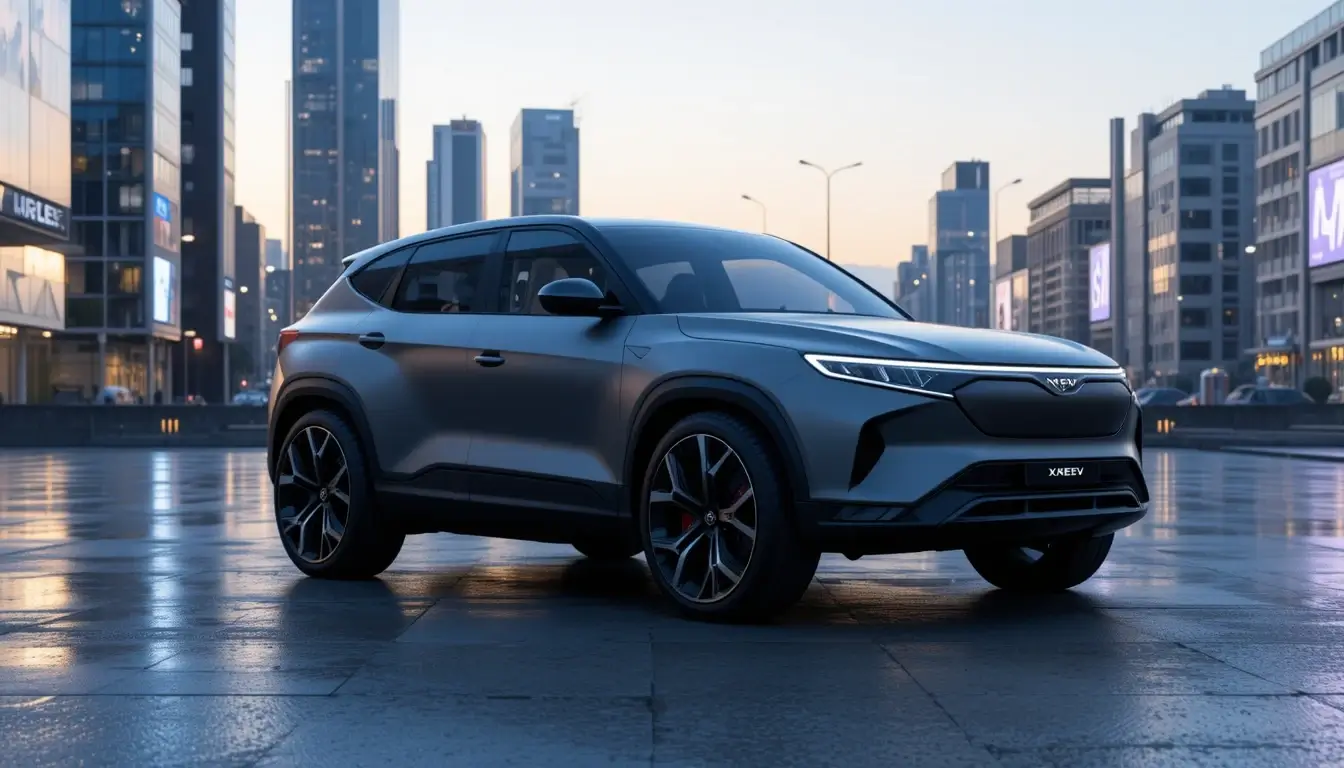
Blog

  • Best Electric Cars in India 2025: A New Era of Green Driving

    Best Electric Cars in India 2025: A New Era of Green Driving

    Let’s be honest—India’s EV scene is getting kinda wild (in a good way). Just a few years back, people were skeptical. “EVs? Too expensive. What about charging?” Yet, in the year 2025 the condition is significantly different from the previous one.

    The size of electric cars and their markets is definitely not the same. There is a vast range of options of cars from hatchbacks to premium SUVs, thus, making them more useful and practical than they were before definitely is.

    So if you’re in the market for a new ride, and you’re considering going electric? Good call. Whether you’re someone who just wants to ditch fuel bills or you’re all about the tech and torque, there’s something for you out there. This blog isn’t just another boring roundup—it’s your real-world, no-fluff guide to the best electric cars in India in 2025. Let’s dive in.

    EVs in India: No Longer a Distant Dream

    Electric cars in India have moved from “maybe someday” to “why not today?” Thanks to solid government initiatives like FAME II, GST reductions on EVs, and state-level perks, buying an electric car doesn’t feel like a luxury anymore. It feels smart. Logical even.

    Fuel prices? Sky-high. Pollution? Out of control. Cities are getting choked with smog. And let’s not forget—charging infrastructure is improving faster than we expected. Honestly, it’s a good time to be alive if you’re thinking green.

    Automakers aren’t just testing the waters anymore—they’re diving in head-first. Tata, Mahindra, Hyundai, even BYD… all pushing out next-gen EVs built specifically for Indian roads and Indian wallets.

    Tata Punch EV: Small Car, Big Impact

    If you’ve been eyeing a compact city-friendly electric SUV that doesn’t feel like a compromise, the Tata Punch EV might just be your match. It’s cute. It’s capable. And it’s packing Tata’s reliable Ziptron tech under the hood.

    The range? Around 300-350 km per charge, which honestly covers most people’s daily needs and then some. Plus, fast-charging support means you’re not sitting around forever. Interiors are neat too—big touchscreen, connected features, and safety sorted.

    Starting at under ₹12 lakh, this one punches (pun intended) way above its weight. Perfect for first-time EV buyers or anyone tired of squeezing into tight parking spots.


    Mahindra XUV400 Pro: Roomy and Ready for the Road

    Mahindra’s not here to play. The XUV400 Pro is their evolved electric SUV that’s become a family favorite in 2025. Why? It hits the sweet spot—solid range (450 km approx), roomy interiors, and a smooth drive feel. Not too flashy, but dependable.

    It’s got that sturdy Mahindra build, plus all the comforts you’d expect: touchscreen, wireless connectivity, regen braking, dual-zone climate control—you name it.

    And if you’re a long-distance traveler or a weekend warrior, this one won’t let you down. It charges quick, handles well, and just… works. Simple as that.

    Hyundai Ioniq 5: Space-Age Luxury on Wheels

    Now if you’ve got a bigger budget and you want something that turns heads and sparks conversation, say hello to the Hyundai Ioniq 5. It looks like it’s been beamed from 2050—and drives like it too.

    The real-world range is about 480 km (give or take), and it charges up in record time thanks to its 800V platform. That’s basically supercar-level EV tech.

    Inside? Oh man. Lounge-like seats. Massive screens. Level 2 ADAS. Everything feels premium, from the materials to the UI. It’s not cheap, though—expect it to sit around ₹45–50 lakh. But if you want something that’s not just a car but an experience, this might be the one.

    MG ZS EV (2025): Matured, Modern, and Mighty Practical

    The MG ZS EV has quietly become one of the most sensible choices in the Indian EV market. And the 2025 update only makes it better.

    MG’s latest model gets a bumped-up range—up to 500 km (claimed), plus more safety features, smarter tech, and a sleeker design. Think 360-degree camera, blind spot monitoring, and MG’s AI-powered voice assistant.

    Inside, it’s comfy and tech-loaded. Outside, it has the kind of road presence that makes you double-take. And with prices starting at around ₹18 lakh, it sits right in the sweet spot for most middle-class buyers looking to upgrade.

    BYD Seal: Understated Powerhouse

    Here’s the thing—BYD Seal isn’t a household name in India yet, but trust me, that’s changing. This electric sedan is powerful, posh, and packs serious tech under the hood.

    It boasts a whopping 570 km range (yes, really), insane acceleration (0–100 kmph in under 4 seconds for the top variant), and a plush, tech-savvy interior.

    Everything from the floating center console to the panoramic sunroof screams “premium.” And sure, it’s priced around ₹40–45 lakh, but it seriously holds its own against way more expensive European EVs. Underrated gem? Absolutely.

    Tata Curvv EV: The Wildcard That Might Win It All

    Tata’s been teasing this one for a while, and in 2025, it’s finally arriving: the Curvv EV. It’s fresh. It’s bold. And it’s going to shake up the EV scene.

    The coupe-SUV silhouette gives it a sporty edge, while the Gen2 EV platform promises performance and practicality in equal measure. Expect 500+ km of range, loads of connected features, digital clusters, and wireless everything.

    Tata’s clearly betting big on this one—and if it lands at the right price (likely around ₹20–22 lakh), it’s going to fly off the shelves.

    Citroën ë-C3: Keep It Simple (and Cheap)

    Last but not least, the Citroën ë-C3. This one’s not about the flash—it’s about getting from point A to B without burning a hole in your pocket or the planet.

    Range? Around 230–250 km. Price? Under ₹10 lakh. It’s built for city folks who need a reliable commuter that’s easy to charge and easier to drive.

    Yes, it’s basic. But it’s functional. The quirky French styling gives it personality, and it’s surprisingly fun to zip around in. For students, budget buyers, or small families? It’s perfect.

    So, Which EV Is Your Best Bet?

    To be honest with you: there is not a single electric car for everyone, which could be the perfect fit for your needs. It is all about your driving style and, of course, your bank account that will define your perfect EV. Though if you are a fan of quick charging, ADAS, or the brand turnover, these features can be the deal-breaker for you as well.

    If you’re in the market for an entry-level EV, the Punch EV and ë-C3 are solid. Want something more family-oriented? Look at the XUV400 or ZS EV. And if you’re a tech geek with cash to spend, the Ioniq 5 or BYD Seal might just be your dream car.

    Wrapping It Up: The EV Future is Already Here

    We’re not “waiting for EVs to go mainstream” anymore—they already are. From better batteries to government support and rapidly growing charging networks, 2025 feels like the tipping point.

    The best electric cars in India are no longer futuristic concepts—they’re parked in garages, zooming through traffic, and making fuel stations a thing of the past.

    So if you’re still wondering whether to go electric this year, let me make it easy for you: Yes. Do it. The road ahead is green, quiet, and surprisingly thrilling.
  • TVS Apache 2025: The Little Bike That Thinks It’s a Rockstar

    TVS Apache 2025: The Little Bike That Thinks It’s a Rockstar

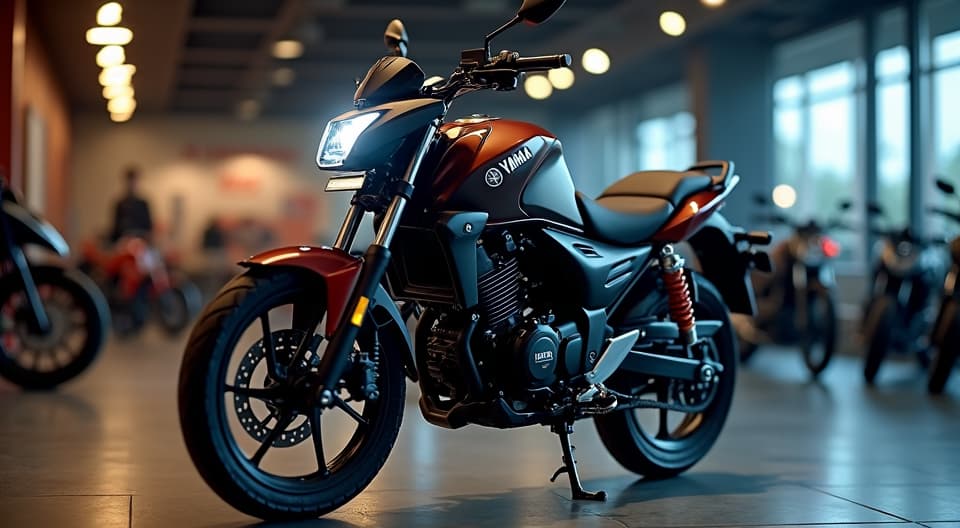
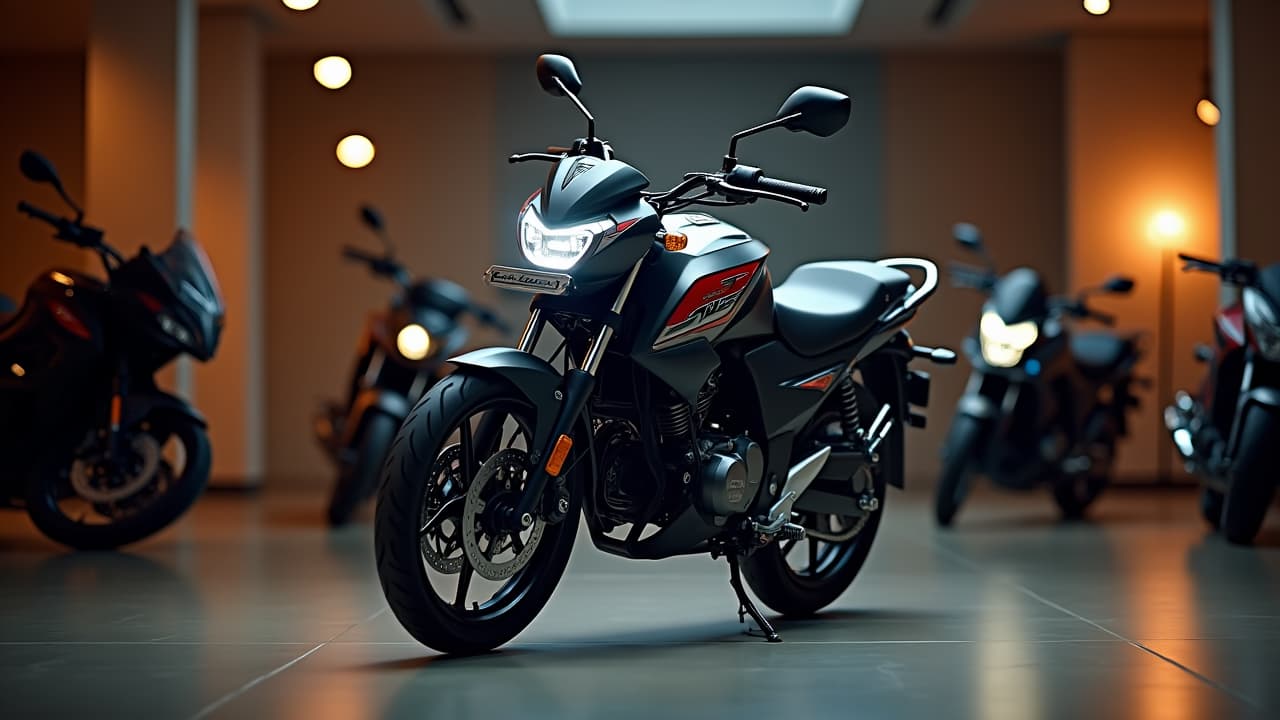
    TVS Apache 2025 Man, who knew a 125cc could have this much attitude? The new Apache 2025 rolls up looking like it should cost twice as much, sounding meaner than your neighbor’s modified scooter, and honestly? It kinda backs up the talk. This ain’t your dad’s commuter bike – it’s like TVS took a regular 125cc and gave it a triple shot of espresso.

    What Makes This Thing Special

    1. TVS Apache 2025 That Engine Has No Business Being This Fun

    For a 125cc, it’s got some serious pep:

    • Throttle response that actually responds when you twist it
    • Power delivery smoother than most bikes in this class
    • Top end that doesn’t quit like you’d expect from a small bike

    And the sound? Not that pathetic sewing machine whine most 125s make. This thing actually growls when you get on it. Weirdly addictive.

    2. Looks That Punch Above Their Weight

    TVS didn’t phone this one in:

    • Angular, aggressive styling that looks fast standing still
    • LED everything – headlight, taillight, the works
    • Premium touches like that killer digital dash

    Park this next to a regular commuter bike and it’s like comparing a sports car to a grocery getter. No contest.

    3. Tech You Don’t Expect at This Price

    Here’s where it gets wild:

    • Bluetooth connectivity (on a 125cc, really?)
    • Anti-stall system for when traffic’s crawling
    • Riding modes because why not?

    It’s like they took the checklist from premium bikes and said “screw it, let’s give this to everyone.”

    But Let’s Keep It Real…

    Not everything’s perfect:

    • Ride’s stiff – you’ll feel every pothole
    • Pillion comfort is basically nonexistent
    • Price tag might make budget buyers blink twice

    Who’s Gonna Love This Thing?

    Perfect for you if:

    • You want efficiency but refuse to ride something boring
    • Your daily commute needs some excitement
    • You appreciate tech but don’t need a spaceship

    It’s for riders who grew up on commuter bikes but secretly wanted something cooler.

    Also Read : Hero Xpulse 421 – The Ultimate Adventure Machine is Here!

    The Straight Talk Verdict

    At around ₹1.1 lakh, it’s not the cheapest 125cc out there. But it might be the only one that’ll actually make you smile when you ride it. TVS took a segment known for being practical and said “let’s make it fun too.”

    Real World Mileage: 60-65 kmpl (when you’re not enjoying yourself too much)
    Best For: People who think “commuter” shouldn’t mean “compromise”

    So – worth the extra cash for a 125cc with personality, or would you rather save the money? Hit us with your thoughts…

  • Hero Splendor Xtec: Your Grandpa’s Bike All Grown Up (And Surprisingly Cool)

    Hero Splendor Xtec: Your Grandpa’s Bike All Grown Up (And Surprisingly Cool)

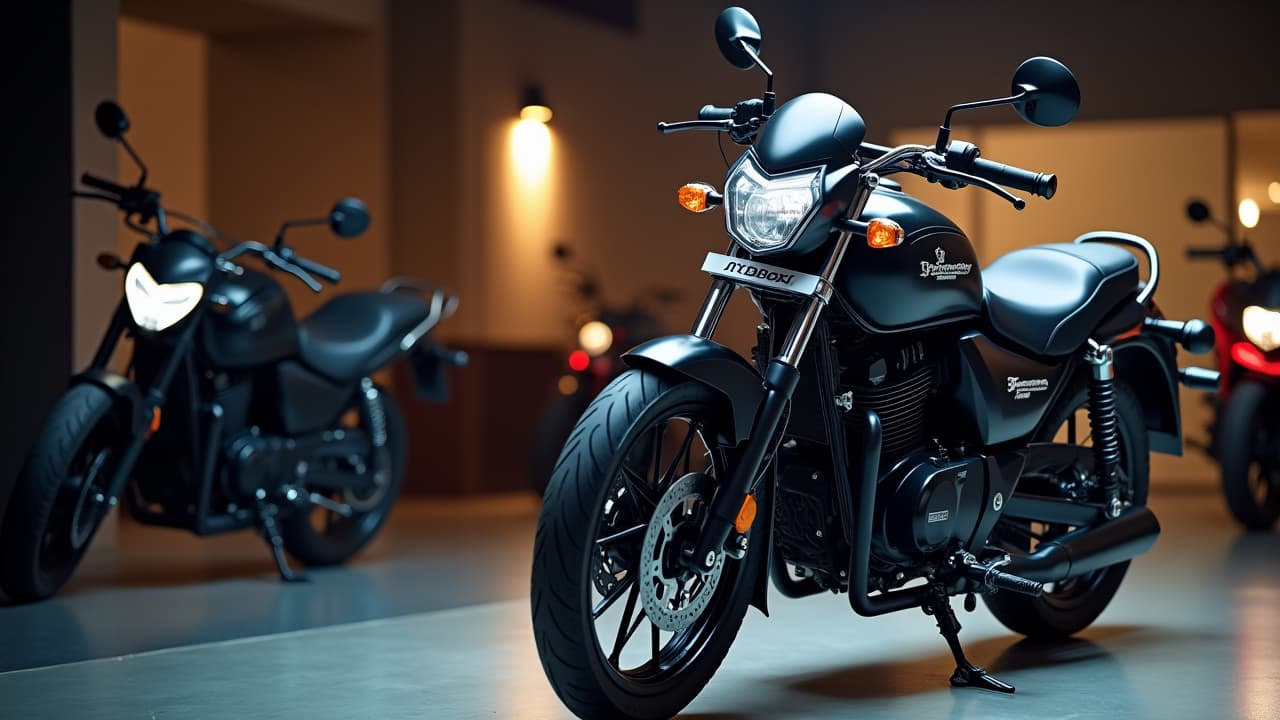
    Hero Splendor Xtec Look, we all know the Splendor. It’s that bike your uncle’s been riding since 2003, the one that still starts first kick after being parked in a monsoon. But this Xtec version? It’s like Hero finally woke up and realized it’s 2024. Same rock-solid reliability, but now it won’t make you look like you’re stuck in the early 2000s.

    What’s Actually New (And Why It Matters)

    1. Hero Splendor Xtec Still Sips Fuel Like It’s On A Diet

    That 97cc engine hasn’t changed much – and thank god for that. Because:

    • 80kmpl isn’t a suggestion, it’s a guarantee (unless you’re late for work)
    • Fuel injection now means no more choking in winter mornings
    • Power delivery so smooth your pillion might fall asleep

    But here’s the thing – it’s still slower than your cousin’s new 125cc. Then again, your cousin visits petrol pumps more than his own mother.

    2. They Finally Made It Look… Presentable?

    Who knew a Splendor could turn heads?

    • That LED headlight actually lights up the road (miracle!)
    • Digital console shows gear position (because guessing is so last decade)
    • Colors that don’t scream “fleet vehicle”

    It’s not going to win beauty pageants, but it no longer looks like it belongs in a government office parking lot either.

    3. Comfort You Can Actually Feel

    Somehow Hero made a 100cc bike that doesn’t punish you:

    • Seat’s wider than your average budget bike throne
    • Suspension absorbs bumps instead of your spine
    • Handling’s light enough to weave through traffic like a scooter

    The Reality Check

    Let’s not get carried away:

    • Top speed’s still “grandma-approved”
    • Vibrations show up past 60kmph like uninvited relatives
    • It’s still basic transportation – just slightly less boring

    Who’s Gonna Love This?

    Perfect for you if:

    • You nod approvingly at petrol price hikes because they don’t affect you
    • Your idea of “performance” is never visiting a mechanic
    • You want reliability but refuse to look like a delivery guy

    Also Read : Suzuki Access Beats Activa & Jupiter! Is This India’s No. 1 Scooter?

    Straight Talk Verdict

    At around ₹80k, the Xtec is like that reliable microwave you use daily – not exciting, but you’d miss it if it was gone. It won’t set your pulse racing, but it will start every morning and save you enough on fuel to buy better coffee.

    Actual Mileage: 75-85kmpl (depends how much you hate petrol stations)
    Best For: People who think “dependable” is the sexiest feature

    So – would you actually ride this, or are you still holding out for something with more “oomph”? Be honest now…

  • Oppo K13 Pro: A Budget Beast That Doesn’t Feel Budget at All

    Oppo K13 Pro: A Budget Beast That Doesn’t Feel Budget at All

    Let’s be honest—most mid-range phones in 2025 kinda look the same on paper. Big screen? Check. Decent chip? Check. Cameras with crazy megapixel counts you probably won’t use to their full potential? Double-check.

    But the Oppo K13 Pro ? It’s doing something a little different. It’s not just about ticking specs off a list — it’s about delivering a real-world experience that feels premium, even if you didn’t break the bank to get it.

    I got to spend a few days with this device, and I’ve gotta say… I was genuinely surprised. In the best way possible.

    Looks That Don’t Scream “Mid-Range”

    The first thing you’ll notice? This thing looks good. Like, flagship phone good.

    The Oppo K13 Pro has that sleek, glassy finish and slim design that makes you feel like you’re holding something way more expensive. The subtle gradient on the back? Chef’s kiss. It comes in colors like Midnight Black and Aurora Blue, and trust me, both look classy in their own way.

    Even the camera bump on the back is smooth and minimal. It’s got that “clean and mature” vibe that a lot of budget phones kinda mess up by going over the top.

    That AMOLED Screen? It’s a Vibe

    Now let’s talk about that 6.7-inch AMOLED display. It’s bright. It’s sharp. And yeah — it’s got that smooth 120Hz refresh rate, which makes everything feel buttery smooth. Scrolling, gaming, just navigating around — it’s all silky.

    Colors pop. Blacks are deep (thank you, AMOLED), and it holds up pretty well outdoors too. You’re not gonna squint your eyes trying to read a text under the sun, which is… kind of important.

    Also — in-display fingerprint sensor? Fast and reliable. No complaints there.

    Performance That Packs a Punch (Without Punching Your Wallet)

    Okay, specs time (but stick with me).

    The K13 Pro runs on the Snapdragon 7 Gen 3. Now, this isn’t some ultra-high-end chipset, but man does it perform. Paired with 8GB or 12GB RAM, this phone glides through apps, multitasking, and even gaming.

    I threw games like Genshin Impact and COD Mobile at it. Did it get a little warm after a while? Sure. But lag? Barely.

    Oh, and that UFS 3.1 storage means loading times are super quick too. No waiting around like it’s 2019.

    Cameras That Don’t Just Look Good on Paper

    Alright — we’ve all seen mid-range phones that say “50MP main camera!” and then give you photos that look like they were taken on a potato. That’s not the case here.

    The Oppo K13 Pro has a 50MP Sony IMX890 sensor (with OIS — yes, optical image stabilization). Add an 8MP ultra-wide, a 2MP macro, and a solid 16MP selfie shooter, and you’re good to go.

    Photos in daylight? Sharp, detailed, well-balanced. Night mode? Surprisingly solid — you don’t get a ton of noise, and shadows are handled nicely. That OIS definitely helps.

    Video’s decent too — 4K at 30fps, and stabilization keeps things steady even when you’re walking around shooting reels or vlogs.

    ColorOS 14 Feels… Clean?

    I’ve used a lot of custom Android skins over the years. Some are a nightmare. But ColorOS 14, which runs on Android 14, is actually quite nice.

    It’s clean, snappy, and full of neat features that don’t feel gimmicky. Stuff like Smart Sidebar, FlexDrop for multitasking, and real-time screen translation? Super useful in day-to-day life.

    And hey — Oppo promises 3 years of Android updates and 4 years of security patches, which is solid for a phone in this price bracket.

    Battery + Charging = Chef’s Kiss

    Battery life? Killer. The 5000mAh cell easily gets you through a full day — even with heavy usage. You could be streaming Spotify, binging Netflix, doomscrolling Instagram… and still have juice by bedtime.

    But here’s the part that makes me grin: 80W SUPERVOOC charging. This thing goes from 0 to 100% in around 35 minutes. That’s wild. Even if you forget to charge overnight, just plug it in while you’re getting ready and boom — full battery before breakfast.

    5G, Wi-Fi 6, and All the Good Stuff

    Of course, it’s 2025 — the K13 Pro has 5G support, Wi-Fi 6, Bluetooth 5.3, and even NFC for contactless payments.

    It also has stereo speakers with Dirac audio tuning, which actually sound pretty great for a phone in this range. Loud, clear, and great for casual Netflix binging or YouTube sessions.

    And yes — it’s got a microSD card slot. If you’re one of those people who still like expandable storage (I get it), this one’s for you.

    So, Is the Oppo K13 Pro Worth Buying?

    In one word? Absolutely.

    This is the kind of phone that makes you question why people still spend ₹50,000+ on a phone. The Oppo K13 Pro gives you nearly everything: a gorgeous AMOLED display, a reliable processor, cameras that hold up, crazy fast charging, and a software experience that doesn’t make you want to throw your phone out a window.

    It’s not perfect. No phone is. But for the price — somewhere in the ₹22,000 to ₹25,000 range — it’s genuinely hard to beat.

    If you’re someone who wants a phone that looks great, feels snappy, and doesn’t compromise on core features, the Oppo K13 Pro should be right at the top of your list.

  • Motorola Edge 60 Stylus – A Surprisingly Cool Combo of Style, Power, and Precision

    Motorola Edge 60 Stylus – A Surprisingly Cool Combo of Style, Power, and Precision

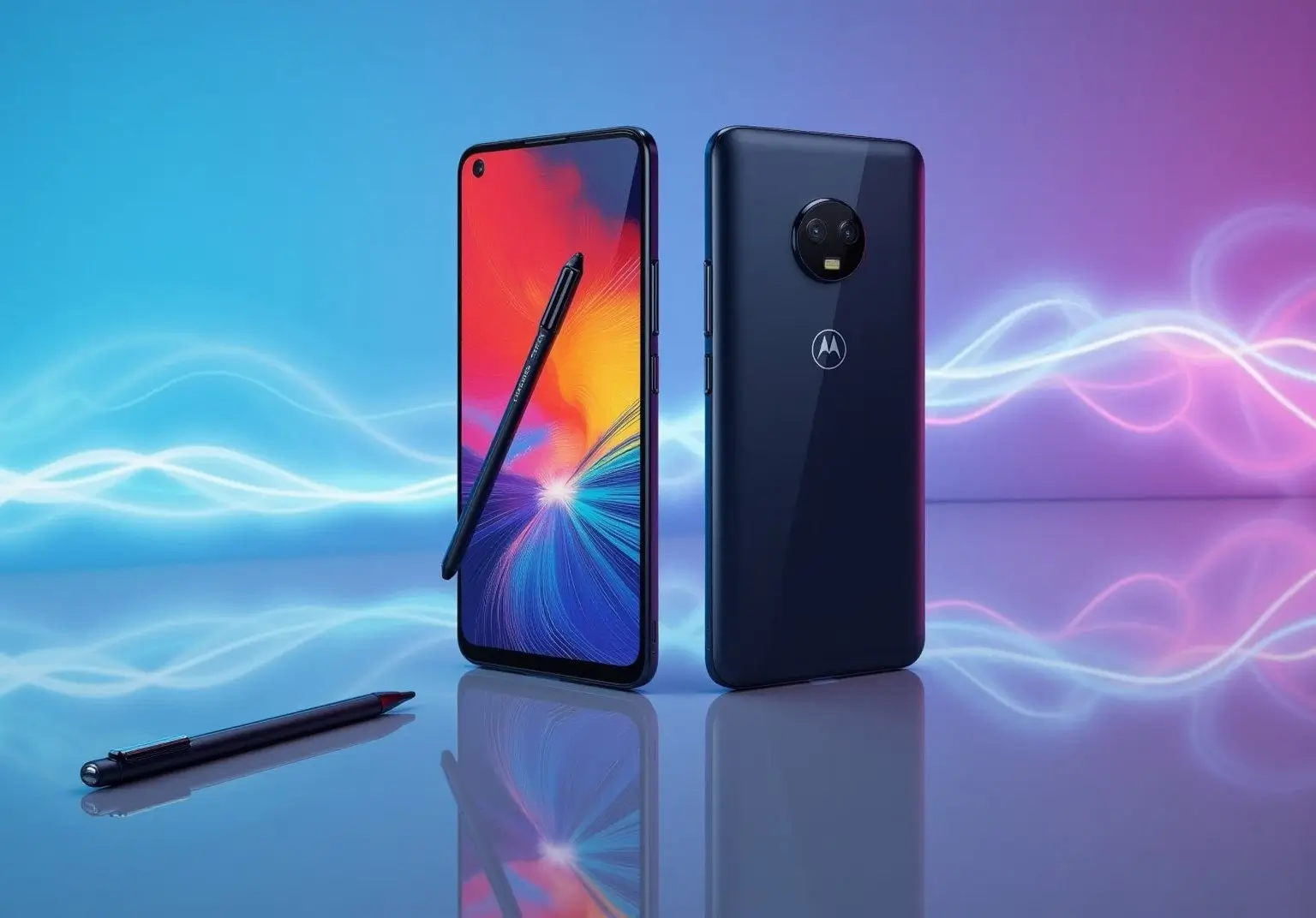
    Motorola’s been on a quiet mission lately—just consistently dropping phones that hit the sweet spot between price and performance. And their newest drop, the Motorola Edge 60 Stylus, kinda proves that they’re getting really good at it.

    It’s one of those phones you don’t expect much from at first. But the moment you hold it, flip it around, and start using that built-in stylus? Yeah, it grows on you fast. This isn’t just another mid-range Android device—it’s got that little something extra.

    That Display? Smooth as Butter

    Let’s just say it: the screen’s gorgeous. Motorola threw in a 6.7-inch pOLED display with super vibrant colors and inky blacks. You’re getting a 144Hz refresh rate, too, which makes everything—from Instagram scrolling to sketching little ideas—feel super smooth. Honestly, you don’t expect that kind of fluidity at this price point. But hey, here it is.

    And the edge-to-edge look? Chef’s kiss. It makes the phone feel way more premium than its price suggests.

    Solid Performance, No Fuss

    Under the hood, the Snapdragon 6 Gen 1 processor is doing a pretty solid job. It’s not a beast like the flagship chips, but it handles everyday stuff with ease. Multitasking? Check. Gaming? Totally fine for casual stuff like Call of Duty Mobile or Asphalt 9. And the 8GB RAM + 256GB storage combo? Honestly, it feels like enough for most people—unless you’re hoarding 4K videos or editing full-length vlogs on your phone (but let’s be real, not many are).

    Also, it runs cool. Like, you won’t feel like you’re holding a frying pan after 20 minutes of use.

    That Stylus Isn’t Just for Show

    Cool things start with these. The embedded pen is not just a meek tool—it can be a real performer. Drawing, taking notes, or just navigating the phone with better accuracy the pen makes the biggest difference.

    Furthermore, Moto included a number of shortcuts and stylus features that are exclusively available when you take the pen out. You can even write notes on the screen when it’s off. Kinda reminds you of the Galaxy Note days, but… more affordable. And a bit simpler.

    It’s a small touch, but it genuinely boosts productivity. Plus, it’s just fun to use.

    Battery Life That Actually Lasts

    Look, no one wants to charge their phone at 3 PM. Thankfully, the 5,000mAh battery here keeps going. I’ve been getting through a full day with ease—even with the screen brightness cranked up, stylus doodling, and a few YouTube binges in between work.

    And when you do run low, the 30W TurboPower charging gets you back on track quickly. Not record-breaking fast, but hey, it gets the job done without a long wait.

    Cameras That Hold Their Own

    The camera setup on the Edge 60 Stylus is actually kinda underrated. The 50MP main camera takes sharp, detailed shots. And with OIS (Optical Image Stabilization), your pics don’t turn into a blurry mess every time your hand twitches.

    There’s also a 13MP ultra-wide/macro combo lens, which is decent for landscape shots and those weirdly close-up textures we all pretend are artistic. On the front? A 32MP selfie cam that supports 4K video recording—which is pretty wild for a phone in this category.

    So no, it’s not a “camera phone” per se. But for everyday Instagram stories, Reels, and group pics? You’re covered.

    Clean Software, Just How We Like It

    Motorola sticks to a near-stock Android experience, and honestly, it’s refreshing. No bloatware. No weird skins. Just Android 14, clean and snappy.

    They’ve added some handy features like Moto Gestures—chop twice for flashlight, twist for camera—and Peek Display that shows notifications subtly when the screen’s off. It’s those little things that make daily use feel smoother.

    Also, they’ve committed to updates for a few years, which adds a bit more peace of mind if you’re planning to hang onto your phone for a while.

    Modern Perks That Make a Difference

    Of course, it’s got 5G. That’s a given now. Also supports Wi-Fi 6, Bluetooth 5.1, and even IP52 water resistance. So it’ll survive a coffee spill or some light rain—not a swim, though, so don’t push it.

    And yes, there’s dual-SIM support, which is always a win for travelers, freelancers, or those who like to keep work and personal life separate without carrying two phones.

    Final Thoughts – So, Should You Buy It?

    If you’re someone who appreciates little details—like taking notes by hand, quickly editing screenshots, or drawing ideas as they come—the Motorola Edge 60 Stylus is probably going to surprise you in a good way.

    It’s not perfect. The camera could be slightly better in low light, and the plastic frame doesn’t scream luxury. But for the price? You’re getting a lot of phone. A lot.

    To sum it up in one line: It’s not just a phone with a stylus. It’s a smart little productivity tool disguised as a mid-range phone.

    And that’s kinda what makes it special.

  • Suzuki Access Beats Activa & Jupiter! Is This India’s No. 1 Scooter?

    Suzuki Access Beats Activa & Jupiter! Is This India’s No. 1 Scooter?

    Suzuki Access Let’s be real—when you think of scooters in India, the Honda Activa and TVS Jupiter instantly come to mind. They’ve been ruling the roads forever. But lately, the Suzuki Access 125 has been quietly stealing the spotlight. Like, have you noticed how many of them are zipping around these days? So, what’s the deal? Is the Access actually better, or is it just hype? Let’s break it down.

    Why Everyone’s Suddenly Loving the Suzuki Access 125

    1. That Engine, Though

    The Access 125 packs a 124cc fuel-injected (FI) engine that churns out 8.7 PS power and 10 Nm torque. Now, compared to the Activa 125 and Jupiter 125, this thing just feels… peppier. Throttle response is crisp, acceleration is smooth, and it doesn’t struggle even when you’ve got a pillion rider. Highway rides? No sweat.

    2. Suzuki Access Mileage That Actually Makes You Smile

    Let’s face it—mileage matters. A lot. And the Access delivers. With 55-60 kmpl (if you ride sane, that is), it’s sipping fuel like it’s got a personal grudge against petrol pumps. The SEP (Suzuki Eco Performance) tech isn’t just a fancy name—it actually works.

    3. Features That Feel Premium (Without the Premium Price Tag)

    • LED Headlamp & DRLs – Because seeing (and being seen) at night is kinda important.
    • Digital-Analog Console – Not too flashy, not too basic. Just right.
    • External Fuel Filler – No more awkwardly lifting the seat while the petrol attendant stares.
    • Comfy Ride – The seat’s plush, and the suspension soaks up bumps like a champ.

    4. Lightweight = Easier City Riding

    At 107 kg, the Access is lighter than both the Activa 125 and Jupiter 125. That might not sound like much, but in stop-and-go traffic, you’ll feel the difference. Flicking through tight spots? No drama.

    5. Price? Pretty Damn Good

    Starting at ₹84,700 (drum brake version), it’s actually cheaper than the Activa 125 and Jupiter 125. So, you’re getting more features for less money. Not bad, right?

    Access 125 vs. Activa 125 vs. Jupiter 125 – Quick Reality Check

    FeatureSuzuki Access 125Honda Activa 125TVS Jupiter 125
    Engine124cc FI124cc FI124cc FI
    Power8.7 PS8.29 PS8.38 PS
    Mileage55-60 kmpl50-55 kmpl50-55 kmpl
    Weight107 kg112 kg116 kg
    Fuel FillerExternal (thank god)Under-seat (ugh)Under-seat (double ugh)
    Price (Starting)₹84,700₹86,747₹85,555

    Also Read : Mahindra XEV 9e – A New Chapter in India’s Electric Future

    So, Why Pick the Access Over the Usual Suspects?

    ✔ Faster, smoother, just… better to ride.
    ✔ Goes farther on a liter of petrol.
    ✔ Little things—like that external fuel filler—make life easier.
    ✔ Handles like it’s reading your mind in traffic.

    Final Thought: Is the Access 125 REALLY the New King?

    Look, the Activa is like that old, reliable friend who’s always there. The Jupiter? Solid, no-nonsense. But the Access 125? It’s like the upgraded version—same trustworthiness, but with some legit improvements. If you want a scooter that’s fun to ride, easy on the wallet, and doesn’t cut corners, this might just be your best bet.

    What do you think? Still Team Activa, or is the Access winning you over? Drop a comment!

  • Hero Xpulse 421 – The Ultimate Adventure Machine is Here!

    Hero Xpulse 421 – The Ultimate Adventure Machine is Here!

    Hero Xpulse 421 Okay, real talk – when I first heard Hero was dropping a bigger Xpulse, I kinda shrugged. Like, “Cool, another 200cc variant?” But then the specs leaked. And holy crap, this 421cc version might actually be the adventure bike we’ve been begging for!

    First Impressions: This Thing Looks Proper

    You know how some ADVs try too hard to look tough? Not this one. The Xpulse 421 nails that sweet spot between “I can handle dirt” and “I won’t look stupid in city traffic.”

    That high fender? Check.
    Knobby tires that actually mean business? Yep.
    Exhaust pipe that won’t drown in a puddle? Thank god.

    But here’s what gets me – it’s not trying to be some wannabe BMW GS. It’s got its own vibe, you know? Like it’s saying “Yeah I’m affordable, but I can still rip.”

    Hero Xpulse 421 Under the Hood: Finally, Some Real Power!

    Let’s be honest – the old Xpulse’s 200cc engine was… adequate. But this new 421? Now we’re talking!

    From what we’re hearing:
    • Liquid-cooled (about time!)
    • 40+ horsepower (that’s Himalayan 450 territory)
    • 6-speed gearbox (highway cruising just got real)
    • And get this – might even have ride modes

    I rode my friend’s Xpulse 200 last month to Ladakh. Great bike, but passing trucks? Forget about it. This 421 version? That problem might be solved.

    Features That Actually Matter

    Hero’s not just throwing flashy junk on this thing. The features make sense:

    • Adjustable suspension (because one setting never works for everything)
    • Proper bash plate (I’ve cracked one too many engine covers)
    • LED lights that actually light up the road (unlike some bikes I could name)
    • And that digital dash looks clean – not like some spaceship console

    How It Stacks Up Against the Competition

    Let’s compare, shall we?

    Against the Himalayan 450:

    • Probably lighter (RE bikes feel like riding a buffalo)
    • Might be cheaper by like ₹50k
    • But let’s see if it has that RE character

    Against the KTM 390 Adventure:

    • Less power, but way better off-road
    • Probably half the maintenance costs
    • Won’t try to kill you in the rain

    Against the old Xpulse 200:

    • Like comparing a moped to a proper bike (sorry not sorry)

    Who’s Gonna Love This Bike?

    If you’re:
    • Tired of heavy ADVs that suck off-road
    • Want something that won’t bankrupt you
    • Actually ride dirt, not just pose at cafes
    • Need a bike that works in cities too

    …this might be your dream machine.

    The Big Question: Will It Deliver?

    Look, specs are great and all, but:
    • Will the engine feel refined or vibey?
    • How’s the seat comfort for long rides?
    • Is Hero’s service network ready for proper ADVs?

    Only a proper test ride will tell. But man, I’m excited to try it.

    Also Read : Best Bikes for Killer Mileage in India (2025): Save Those Rupees!

    Final Thoughts

    Hero might have just built the adventure bike India actually needs – not some overpriced status symbol, but a proper do-it-all machine that normal people can afford.

    If they nail the pricing (please be under ₹3 lakh), this could change the game.

    What do you think? Would you ditch your current bike for this? Hit me up in the comments!

    #HeroXpulse421 #RealWorldBike #AdventureOnABudget #FinallySomePower #IndianBikersUnite

    PS – Hero, if you’re reading this, send me a test bike already! 😅

  • BMW 310 RR Review: Price, Mileage, Top Speed & Why It’s Worth Buying in 2025

    BMW 310 RR Review: Price, Mileage, Top Speed & Why It’s Worth Buying in 2025

    Okay, pause for a minute: What is the initial word popping in your head if you hear BMW? Probably, you think about a high-end car right? Maybe the iconic 3 Series, or the beastly M5. But guess what? BMW Motorrad has been quietly killing it in the motorcycle game too. And the BMW 310 RR ? Oh man, it’s not just some entry-level bike with a fancy badge. It’s way more than that.

    This little sportbike has carved out a unique space in the 300cc segment, and honestly, it’s turning heads for all the right reasons.

    Looks That Scream Speed (Even When Parked)

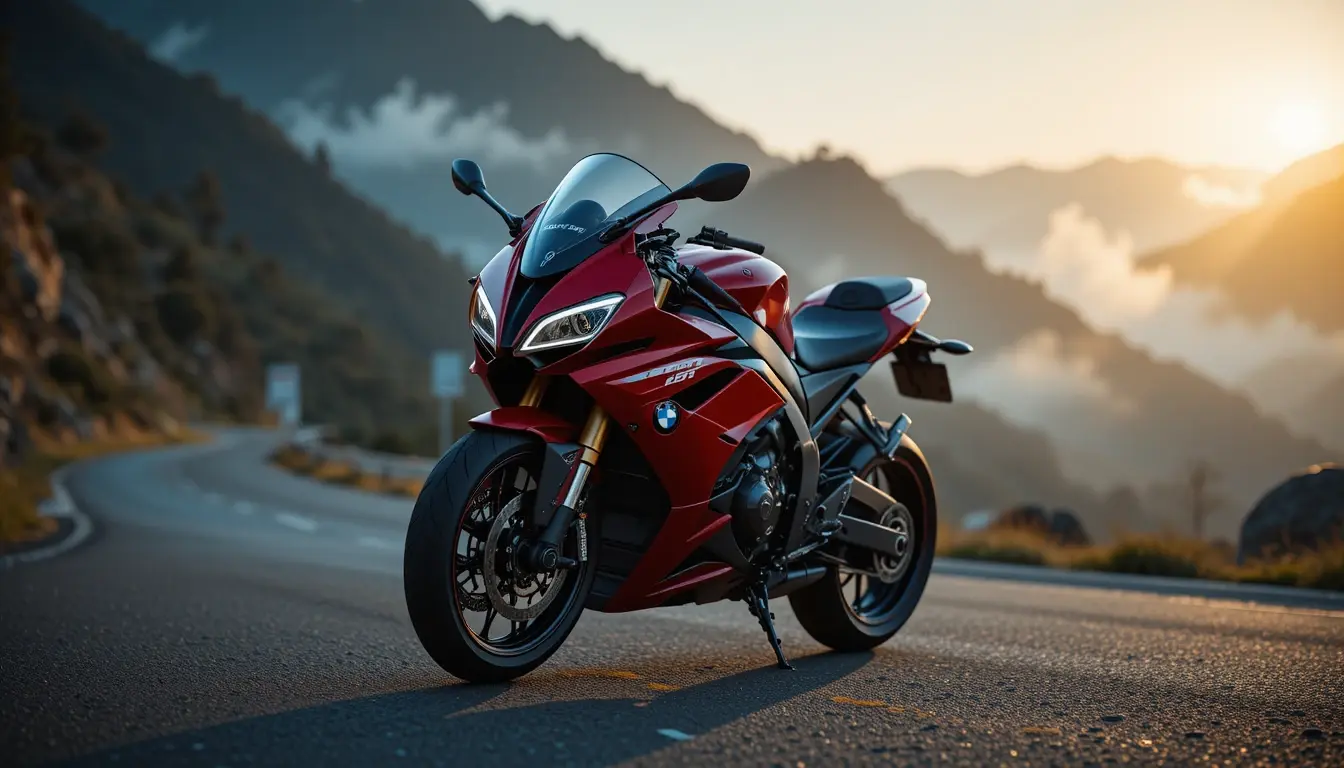
    The first time you see the BMW 310 RR in person, you kinda pause. It looks… serious. Like, race-track serious. It’s got that sharp fairing, aggressive front end, and sleek tail that gives off strong superbike vibes. BMW didn’t hold back on design here — they’ve basically shrunk down their S1000 RR DNA into a compact, street-legal rocket.

    And those paint jobs? Absolute fire. Especially the Racing Red and Style Sport options — they just pop, you know? Whether you’re at a traffic signal or pulling into a café parking lot, expect some stares.

    Under the Hood (Or… Under the Tank)

    Powering the 310 RR is a 312cc, single-cylinder, liquid-cooled engine. On paper, it makes around 34 hp and 27.3 Nm of torque. Now that may not sound earth-shattering, but hold up — this engine is tuned so well that it feels punchier than it looks on spec sheets.

    Twist the throttle, and the response is crisp. Linear power delivery means you won’t get thrown off, but oh boy, it still pulls nicely through the gears. And yep, you’ve got a 6-speed gearbox to keep things spicy. Shifting’s smooth, and it lets you really push the bike when you’re feeling a little naughty.

    Also, fun fact — this engine is co-developed with TVS, which means it’s not just refined, it’s proven. You’re getting German engineering with Indian manufacturing finesse. Not a bad combo, eh?

    How Does It Ride Though?

    In one word: confidently.

    The BMW 310 RR isn’t just fast in a straight line. It’s built to handle corners like a champ. Thanks to its tubular steel trellis frame, it’s lightweight yet stiff enough to keep things stable at high speeds. The USD front forks and rear monoshock soak up bumps pretty well, even on not-so-great roads (we’re looking at you, city potholes).

    Taking tight turns feels smooth and controlled. It leans predictably, and there’s enough ground clearance to really tip it over without scraping parts. Beginners will feel at home quickly, while experienced riders can still have loads of fun.

    Braking? Solid. With 300mm disc up front and 240mm rear, plus dual-channel ABS, you can brake late and still feel planted. The ABS kicks in gently — not too intrusive, but there when you need it.

    Tech That Actually Helps

    One of the coolest things about the 310 RR is that it’s got tech that actually matters. Like the TFT digital display — it’s full-color, easy to read, and just looks premium. You can switch between Rain and Road riding modes, which is honestly super handy.

    Rain mode tones down the throttle for more controlled riding on slippery roads. Road mode? It unleashes the beast a bit more — full power, baby.

    LED lights all around mean better visibility at night and a cleaner aesthetic. No more bulb drama. And the exhaust note? Surprisingly throaty for a single-cylinder. It’s not obnoxious, but there’s enough growl to keep things interesting.

    Comfort: Yes, You Can Daily It

    Now here’s where a lot of sportbikes mess up — comfort. But the 310 RR? It’s actually rideable on a daily basis. The seating position is sporty but not back-breaking. Footpegs are a bit rear-set, sure, but they don’t kill your knees after 30 minutes.

    The seat could be softer, yeah, but it’s decent enough for short weekend rides. Wind protection is better than you’d expect too, thanks to that windscreen up front.

    And it’s surprisingly good on fuel. You can squeeze out around 30-35 km/l, depending on how heavy your wrist is. Not bad for something this peppy.

    Price & Ownership: Is It Worth It?

    So here’s the kicker — the BMW 310 RR isn’t exactly cheap. It’s definitely pricier than some of its direct rivals like the KTM RC 390 or even the Apache RR 310 (which it shares a lot with). But… it’s a BMW. That badge means something.

    You’re not just paying for performance — you’re paying for that brand experience, the build quality, the attention to detail. Service intervals are decent, and BMW’s network in India is growing steadily. Resale? Better than most in this class.

    If you’re someone who values a premium, well-rounded experience more than just raw numbers on a spec sheet — this bike’s totally worth the price tag.

    Final Thoughts: Who Is This Bike For?

    Honestly? Pretty much anyone who wants a sporty, stylish, and well-built motorcycle that doesn’t just look good but performs across the board.

    Whether you’re:

    • A college student stepping up from a 150cc bike,
    • A working professional looking for something fun yet practical,
    • Or even a weekend warrior itching to hit the twisties…

    …the BMW 310 RR delivers. It’s fast, it’s fun, it’s premium — and it makes every ride feel a bit more special.

    So, is it perfect? Nah. But does it make you feel something every time you twist that throttle?

    Absolutely.

  • Mahindra XEV 9e – A New Chapter in India’s Electric Future

    Mahindra XEV 9e – A New Chapter in India’s Electric Future

    Well, now, Mahindra is serious with what they want to say for the change. After teasing us with a string of electric concepts and futuristic promises, they’re now getting serious with something that feels different. Really different. Enter the Mahindra XEV 9e—a sleek, powerful, and incredibly ambitious electric SUV that’s turning heads even before it’s officially launched.

    Not another “eco-friendly” type of vehicle it is to be sure. Mahindra is now officially the owner of a breathtakingly cutting-edge, fully electric vehicle. And honestly? It’s kind of exciting.

    A Design That Doesn’t Try Too Hard—But Still Wows

    Let’s talk design. The XEV 9e looks like it belongs in a sci-fi movie—but one of the good ones, not the low-budget kind.

    It’s built on Mahindra’s new INGLO EV platform, which means we’re looking at a whole new breed of SUV. Smooth lines, sharp angles, and LED lights that scream “I’m not here to blend in.” The front end? No traditional grille—just a futuristic face with a bold light signature. Very EV. Very now.

    And those wheels—sculpted, futuristic, probably designed in some wind tunnel. They’re not just for show; they help with aerodynamics and efficiency too. Honestly, this thing looks like it was built to glide, not roll.

    Inside the Cockpit – Techie, Minimal, and Pretty Damn Cool

    Step inside, and it gets even better.

    The interior of the XEV 9e feels like someone merged a luxury lounge with a spaceship. You’ve got massive screens (probably two—one for the driver, another for everything else), touch-sensitive controls, and a cabin that’s minimal without feeling empty. You know that fine line between “sleek” and “soulless”? Mahindra seems to have nailed it.

    You’ll likely see features like wireless Android Auto and Apple CarPlay, cloud-connected services, ambient lighting that changes with your mood (yes, really), and even AI voice commands. Maybe even stuff like gesture controls or AR navigation—we wouldn’t be surprised.

    Oh, and rumor has it that the seats will be made from sustainable materials. Eco-luxury is the vibe here.

    Let’s Talk Power – What’s Under the Hood (Or… the Floor?)

    Now, since this is an electric SUV, we’re not dealing with petrol tanks or exhausts. Instead, we’re talking motors, battery packs, and raw torque.

    While official numbers are still under wraps, insiders are hinting at a range of around 450 to 500 kilometers. Not bad at all. Perfect for your daily commute and that spontaneous weekend trip you keep putting off.

    It’ll probably support ultra-fast charging, too—think 0 to 80% in half an hour. That’s just enough time to grab a coffee and doomscroll through Instagram.

    And performance? Expect this SUV to move. We’re hearing whispers of 0 to 100 km/h in under 6 seconds. That’s hot hatch territory—except this is an SUV. Let that sink in.

    Safety & Smart Tech – Because Brains Matter Too

    What’s power without safety, right?

    The XEV 9e is expected to come loaded with ADAS (Advanced Driver Assistance Systems)—stuff like lane-keeping assist, adaptive cruise control, and emergency braking. So yeah, it’s going to be smart. Like, really smart.

    Also, expect the full safety suite—multiple airbags, strong crash-tested body structure, and maybe even Level 2 autonomy. Basically, it’ll do a lot of the thinking for you, especially when you’re stuck in maddening traffic or long drives.

    And let’s not forget connectivity. Remote lock/unlock, location tracking, battery health monitoring, OTA updates—all from a Mahindra EV app. Because why not?

    The INGLO Factor – India Meets Global Tech

    Let’s not ignore the backbone of all this—the INGLO platform. It stands for Indian Global. Catchy, right?

    It’s Mahindra’s way of saying, “We’re building something global, but rooted in Indian needs.” It supports multiple battery sizes, drive types (AWD, RWD, FWD), and body styles. In other words, it’s modular, flexible, and future-ready.

    This also means that over time, Mahindra could push software updates to your XEV 9e—improving things like range, performance, or even adding new features. That’s the beauty of a software-defined vehicle.

    Pricing & Launch – How Much and When?

    Here’s where things get a little fuzzy.

    The Mahindra XEV 9e hasn’t been officially priced yet, but whispers suggest it’ll be somewhere in the ₹30–40 lakh range (ex-showroom). That’s premium, yes. But considering the tech, performance, and global appeal, it just might be worth every rupee.

    As for launch? Late 2025 is looking likely. Mahindra is being careful with this one. And rightly so—it could be the face of their EV revolution.

    Why the Hype Matters – It’s Bigger Than Just One Car

    The XEV 9e is not just another SUV. It’s a shift in mindset. A step toward clean mobility that doesn’t feel like a compromise. And coming from Mahindra—a brand that’s been deeply Indian for decades—it means a lot.

    We’re finally seeing an Indian automaker take the global EV challenge seriously. And not by copying what Tesla or Hyundai is doing, but by doing it their own way.

    Final Thoughts – Should You Be Excited?

    Absolutely.

    The Mahindra XEV 9e isn’t just promising—it’s electric, it’s fresh, and it’s got attitude. It’s built for folks who want tech, performance, and sustainability—all rolled into one.

    Is it perfect? Probably not. No car is. But it looks like the kind of vehicle that could make people rethink what they expect from Indian cars—and that’s huge.

    So yeah, keep your eyes on this one. Because the XEV 9e isn’t just coming—it’s coming loud.

  • Redmi 13C 5G Review: A Budget 5G Phone That Punches Above Its Weight?

    Redmi 13C 5G Review: A Budget 5G Phone That Punches Above Its Weight?

    Okay, so here’s the thing. Redmi has been killing it in the budget smartphone game for years now, and the Redmi 13C 5G is just another reminder of that. It’s cheap. It’s 5G-ready. And it doesn’t look like a phone that costs just around ₹11,000. But is that enough?

    Let’s dive into the real stuff — no fluff, no tech jargon overload. Just honest thoughts about whether this phone is worth your attention (and your money).

    First Impressions: Looks That Deceive (In a Good Way)

    At first glance, the Redmi 13C 5G honestly doesn’t scream “budget phone.” It’s got this stylish back panel — kind of a matte-ish finish that doesn’t pick up too many smudges. Feels nice in the hand. Not too slippery. Not too heavy.

    redmi 13c 5g

    And yeah, the design? It’s actually kinda good-looking for the price. That slightly raised camera module gives it a premium-ish vibe, even though we all know this thing isn’t competing with flagships.

    Color options are nice too. The Startrail Green and Silver are pretty funky if you’re into that. Personally, the black one just looks sleek and safe.

    Display: Smooth… But Not Super Sharp

    The phone’s got a 6.74-inch LCD display, and it’s… okay. Nothing groundbreaking. It’s not Full HD (only HD+), so if you’re picky about crisp visuals, you’ll notice the difference. But here’s the deal — for everyday use? It works just fine.

    Scrolling feels smooth, thanks to the 90Hz refresh rate. Apps don’t lag while swiping around, which is more than you can say for a lot of phones in this range. And yes, Gorilla Glass protection is there too — a nice bonus at this price.

    One small gripe though: outdoor brightness. Under direct sunlight, the screen does struggle a bit. You’ll need to squint sometimes. Not a dealbreaker, but worth knowing.

    Performance: Not a Beast, But a Solid Buddy

    Now to the meat of the matter — performance. The Redmi 13C 5G comes with the MediaTek Dimensity 6100+ chipset, which is a 6nm processor. Sounds technical, I know, but what it means is: good efficiency + decent speed.

    Apps open quickly. Social media runs smoothly. Even light gaming? Totally doable. I tried a few rounds of BGMI on medium settings — no crazy frame drops or overheating. Don’t expect buttery performance on max graphics though. It’s not made for that.

    Multitasking also holds up well, especially in the 6GB RAM variant. And with UFS 2.2 storage, apps load noticeably faster than those old eMMC storage types.

    Oh, and yes — 5G actually works well. Dual 5G standby, supports most Indian bands. Tested it on Jio. Speeds were impressive (when the network cooperated, of course).

    Camera: It’s a 50MP Shooter, But Don’t Expect Miracles

    The main sensor is 50 megapixels, which sounds great on paper. And in good lighting? It actually delivers. Photos come out sharp, colors are decent, and detail is pretty solid. There’s even AI scene detection that tweaks the image based on what you’re clicking.

    But let’s be real — this ain’t a camera king.

    Low-light performance drops off quickly. Noise creeps in, and Night Mode helps a little… but not a lot. The 5MP selfie cam is also just okay. It’ll get the job done for video calls and quick selfies, but don’t expect Instagram-worthy shots every time.

    Still, for a phone in this price segment? Can’t complain too much.

    Battery Life: All-Day, No Stress

    Now this is where the Redmi 13C 5G really shines. The 5000mAh battery is just a champ. Easily gives a full day of usage — sometimes more — even if you’re a heavy user. You could stream, scroll, call, text, and still have juice left at bedtime.

    It supports 18W fast charging, which is nice, but the catch? Xiaomi only gives a 10W charger in the box. Bit of a letdown there. If you already have a faster charger, great. If not, well, it’ll take a little longer to juice up.

    MIUI Experience: Love It or Hate It

    This one’s subjective. The phone runs on MIUI 14 based on Android 13, and… it’s fine. Feature-rich, yes. You get Second Space, Focus Mode, Dual Apps, and all the MIUI goodies.

    But there’s still some bloatware. You can uninstall most of it, but it’s there. Also, occasional ads pop up in system apps unless you go hunting through settings to turn them off. Slightly annoying? Sure. A dealbreaker? Probably not, especially once you tweak it.

    Pricing and Variants: Crazy Good for What You Get

    Let’s talk numbers. The Redmi 13C 5G comes with a price tag of ₹10,999 for the 4GB + 128GB model in India. The 6GB version is just at about ₹12,499 per unit. Considering you get 5G, a solid chipset, a 90Hz display, and a big battery — that’s actually a steal.

    This phone is clearly meant for folks who want 5G without spending a fortune. Students, first-time smartphone buyers, or anyone just tired of laggy old 4G phones — this one’s a solid pick.

    Should You Buy the Redmi 13C 5G?

    If you’re still on the fence, here’s the bottom line:

    The Redmi 13C 5G is not perfect — no budget phone is. But it nails the essentials. It looks good, performs well for its price, and gets you on the 5G train without emptying your wallet.

    Sure, the screen isn’t Full HD. The cameras aren’t flagship-grade. And MIUI still has some quirks. But for around ₹11k? This phone is honestly punching way above its weight.

    So yeah, if you’re on a tight budget and want a phone that feels modern, runs smooth, and is future-proof — go for it.