Blog

  • itel S25 Ultra 5G – The Budget 5G Phone That’s Shaking the Market

    itel S25 Ultra 5G – The Budget 5G Phone That’s Shaking the Market

    Let’s be honest—5G used to sound like something futuristic, right? Like, only flagship phones had it, and the prices were sky-high. But now? It’s 2025, and here comes itel, quietly dropping the itel S25 Ultra 5G into the market… and it’s making a bit of noise. And for good reason.

    This isn’t just another budget phone trying to look fancy. It actually delivers some real value. Yeah, it’s not going to beat the latest Galaxy or iPhone, but that’s not the point. The point is: you’re getting 5G, a big display, solid performance, and a decent camera setup—for a price that feels… honestly, too good.

    5G on a Budget? Yup, You Heard That Right.

    When we think of 5G, we often think of ultra-premium smartphones. But the itel S25 Ultra 5G is flipping that idea on its head. This phone is most suitable for those customers who desire high-speed performance, which includes fast downloading, glitch-free video calls, and lag-free gaming, and at the same time, saving half of their monthly income.

    itel is renowned for producing inexpensive and medium-range cell phones, particularly for the Indian market, and this is definitely an exceptional example. The device is very future-oriented as being 5G-capable with dual SIM so that you are ready to shift to a new network in the future without the hassles of selling or buying a new phone.

    The Design: Simple, But Not Boring

    You know, it may not be made entirely of glass and metal, but it appeals, don’t you think? That cover at the back provides a rough, non-reflective surface that is very pleasant to the hand and that cannot be dirtied by fingerprints. Moreover, it is rather convenient as it is also lightweight. You can keep on using it for the entire day without the discomfort of a heavy wrist.

    Now about the front side, it literally sparkled. Bright, isn’t it? If we’re talking about the looks, the screen is a 6.6-inch Full HD+ one that practically has no borders, a true friend of endless scrolling. Not to mention, the high refresh rate feature gives the device a smooth display—for gaming or only swiping between photos.

    Performance: More Than Just “Okay”

    This phone isn’t pretending to be a gaming beast. But it holds its own. The 5G chipset (likely a Unisoc or Dimensity variant) combined with 6GB RAM gives it enough muscle for everyday tasks. Apps open quickly. Multitasking? Pretty smooth. And for the gamers out there—you can totally play BGMI or COD Mobile, just don’t expect maxed-out settings.

    The base model comes with 128GB storage, which is decent. Plus, there’s microSD support if you’re one of those people who never deletes anything (no judgment). There’s even virtual RAM expansion, which basically borrows storage and turns it into extra RAM. Clever little trick.

    Cameras: Not Just for Show

    Let’s talk about cameras. The itel S25 Ultra 5G rocks a 50MP main sensor, which sounds impressive—and honestly, it does pretty well. Daylight shots are sharp, colors look natural, and even low-light shots aren’t half bad (for this price bracket, anyway).

    There’s also AI scene detection, so it kind of knows what you’re shooting and adjusts the settings. The front cam is 16MP, and it’s totally good enough for selfies, reels, or late-night video calls with your bestie. Skin tones come out nicely, and there’s even a portrait mode to blur the background a bit. Fancy.

    Battery Life: It Just Keeps Going

    A lot of budget phones claim to have “all-day battery,” but the 5000mAh battery in the S25 Ultra 5G actually backs it up. You can easily go from morning to midnight without needing a top-up. Watch a few videos, scroll endlessly, play a game or two—it can take it.

    And when it finally needs a charge, the 18W fast charging via USB Type-C gets you back up in no time. No more waiting forever to get out the door.

    Software Experience: Clean and Light

    itel’s running Android 13 Go Edition here, and honestly? It’s a smart move. The Go Edition is light, responsive, and free of the bloated nonsense that drags some budget phones down. It’s super simple to use. Nothing flashy—just the basics, done right.

    And yes, you still get the essentials: Google apps, Play Store, dark mode, split-screen, app cloning, and a few gesture tricks. Plus, there’s face unlock and a side-mounted fingerprint sensor—both are fast and reliable.

    Connectivity + Extras That Matter

    Apart from dual SIM 5G, you’ve got Bluetooth 5.0, Wi-Fi, GPS, VoLTE, and VoWiFi. Oh, and yes, there’s still a 3.5mm headphone jack. That’s a big win if you’re not ready to go fully wireless yet.

    itel even throws in a case and screen protector in the box, which is a small but sweet touch. No need to rush out and buy extras.

    So, Who’s This Phone Actually For?

    Honestly? A lot of people.

    • Students who need a solid phone without asking their parents for 20K+
    • Folks upgrading from old 4G devices who want 5G but can’t go flagship
    • Anyone looking for a secondary phone that’s reliable and fast
    • Or maybe just people who are sick of overpriced phones

    This isn’t a phone trying to be something it’s not. It knows it’s budget, but it delivers where it counts.

    Final Thoughts: A Quiet Game-Changer

    The itel S25 Ultra 5G isn’t flashy. It doesn’t scream premium. But man, it delivers. You get modern features, smooth performance, a solid battery, and 5G connectivity—all for a price that feels more 2020 than 2025.

    For anyone who wants a no-nonsense, affordable smartphone that can actually keep up with daily life, this one’s worth a serious look. itel’s come a long way, and with phones like this, they’re showing they can play in the big leagues—even on a budget.
  • BE6 Mahindra: The Electric SUV That Might Just Flip the Game in India

    BE6 Mahindra: The Electric SUV That Might Just Flip the Game in India

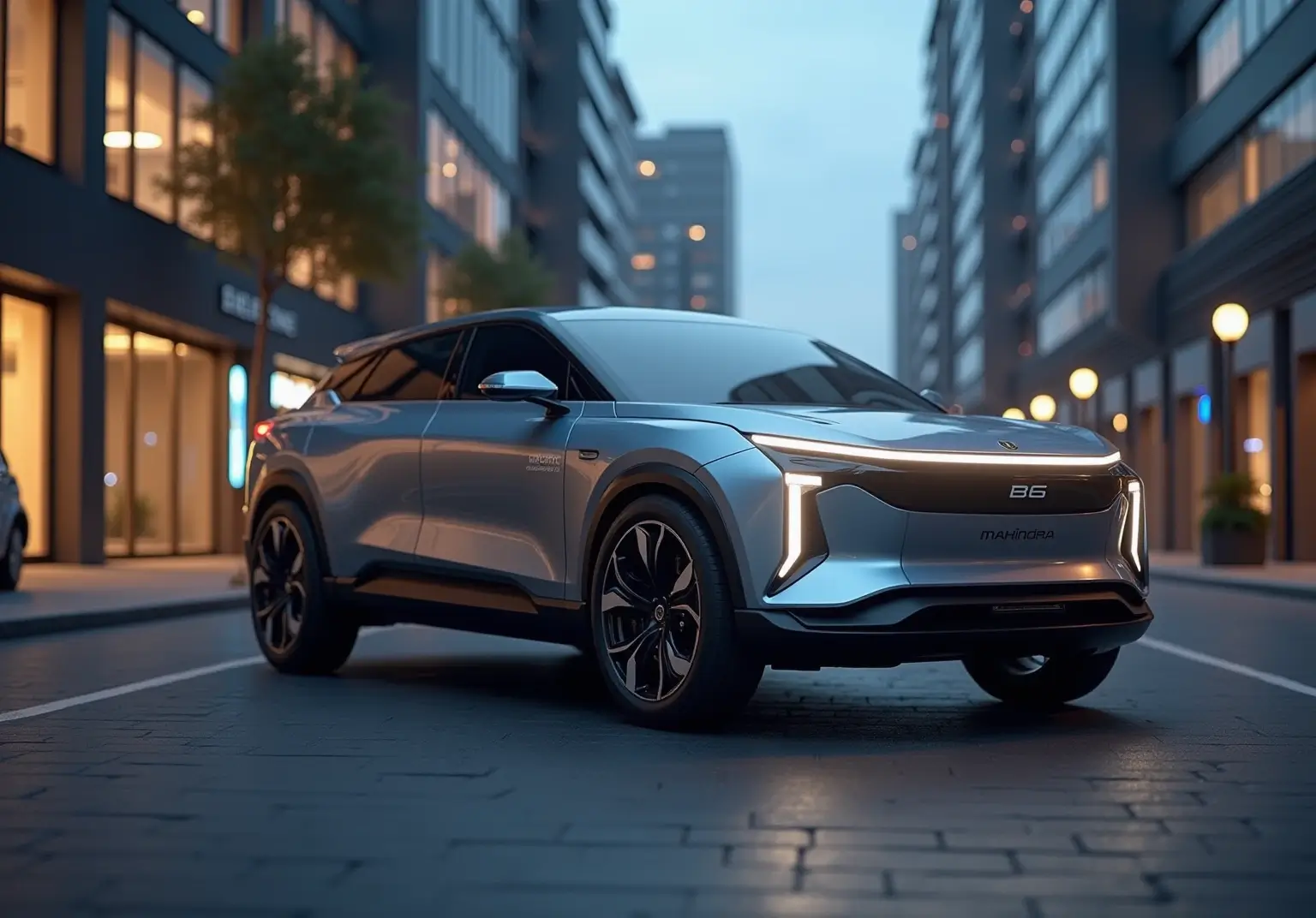
    Let’s be real for a sec — the Indian car market has been playing catch-up in the EV space. But now? Things are shifting fast. And one name that’s got enthusiasts, families, and even skeptics talking is Mahindra. Specifically, the BE6 Mahindra — their upcoming all-electric SUV that’s part of their bold new “Born Electric” lineup.

    It’s sleek. It’s powerful. And yeah, it looks like something straight out of a sci-fi movie. But let’s not just hype it — let’s break it all down.

    A New Chapter with the Born Electric Vision

    The BE6 isn’t just another EV with a fancy badge. It’s being built on something much bigger — Mahindra’s INGLO platform. That stands for Indigenous Longitudinal, by the way. It’s a whole new EV architecture designed from scratch, meaning it’s not just a petrol or diesel SUV with batteries shoved in. Nope. This one’s electric from the ground up.

    What that gives you is a platform that’s safer, more flexible, and honestly, future-ready. It’s meant to power a whole family of Mahindra EVs — like the BE05, BE07, and BE09. But among all of them? The BE6 stands out. Why? It’s got that coupe-SUV thing going on. Think sporty meets smart.

    Design That Feels… Different (In a Good Way)

    Now, let’s talk about the looks — because the BE6 doesn’t look like a regular Mahindra. Gone are the chunky, rugged lines we’ve seen on XUVs and Scorpios. Instead, you’ve got this sharp, clean design. It’s aerodynamic, but in a way that still feels tough.

    The sloping roofline gives it a coupe vibe, while the front fascia is super modern — sleek LED DRLs, bold edges, and a lot of “Whoa, what is that?” kind of energy. The rear gets a full-width LED light bar that just screams premium. Honestly, it’s the kind of SUV that’d turn heads in traffic — and not in a try-hard way.

    The Cabin? High-Tech Meets Planet-Friendly

    Inside, the Mahindra BE6 is expected to be… futuristic. Think big screens, ambient lighting, wireless everything. But also? There’s a clear focus on sustainability. Mahindra’s hinted at recycled materials, vegan leather, and stuff like that. Which is great — ’cause who says you can’t be fancy and eco-conscious?

    You’ll probably see a twin-display setup: one for the instrument cluster and another for infotainment. Toss in ADAS features, a 360-degree camera, wireless charging, and connected car tech — and you’ve got a cabin that’s as smart as it is stylish.

    And honestly? It’s about time Indian buyers got EVs that feel premium on the inside too.

    Powertrain, Range & Charging — What to Expect

    Let’s talk numbers — because performance matters, even if it’s electric.

    The BE6 is likely to come in two variants: a single motor (RWD) and a dual motor (AWD) setup. Expect a battery pack in the range of 60 to 80 kWh, which should give you a real-world range between 450 to 500 km. Yep, that’s plenty for road trips and daily use.

    Charging? Fast. Like, really fast. Mahindra’s INGLO platform supports up to 175 kW DC fast charging, which means you could go from 0 to 80% in around 30 minutes (assuming you find a compatible charger, of course).

    And performance-wise? Rumors say 0-100 km/h in under 6 seconds for the AWD version. Not bad for something that can haul your family and groceries in silence.

    Is It Safe? You Bet.

    If there’s one thing Mahindra takes seriously, it’s safety — and they’re not holding back with the BE6.

    We’re talking 5-star crash safety targets, multiple airbags, electronic stability control, and possibly Level 2 ADAS. So yeah, this isn’t just some experimental EV — it’s got real-world safety tech to back it up.

    Also, there’s talk of Vehicle-to-Load (V2L) tech — basically, the BE6 might be able to power your devices or even another EV. Pretty cool for camping, road trips, or, y’know, unexpected power cuts.

    Launch Date & Expected Price in India

    Alright, let’s talk timelines. Mahindra has teased the BE6 enough times now, but from everything we’re hearing, the official launch is likely around late 2025 or early 2026. The prototype’s already out there. Now, they’re just gearing up for production.

    As for the price? Expect something in the ballpark of ₹27 lakh to ₹32 lakh (ex-showroom). That puts it up against some heavy hitters like:

    • Tata Avinya
    • MG ZS EV
    • Hyundai Kona Electric
    • BYD Atto 3

    But the BE6 might just undercut or outperform a few of these — especially in the design and tech departments.

    So… Is the Mahindra BE6 the Real Deal?

    Short answer? Yeah, it might be.

    The Mahindra BE6 isn’t trying to be a “budget” EV. It’s a premium product, with bold styling, solid tech, and the kind of specs that say Mahindra is seriously in the EV game now.

    If Mahindra nails the pricing and real-world range, this could very well be the EV that makes more Indians say, “Okay, it’s time to go electric.”

    Whether you’re an early adopter, an SUV lover, or just someone waiting for the right EV — the BE6 deserves a spot on your watchlist. It’s not just another SUV. It’s a symbol of how far Indian automakers have come — and how electric is no longer the future… it’s the now.

  • Best bike rider What Really Makes a Great Bike Rider? (No BS Version)

    Best bike rider What Really Makes a Great Bike Rider? (No BS Version)

    Best bike rider Look, we’ve all seen ’em – those riders who make it look stupid easy. The dude on the 20-year-old Bullet filtering through standstill traffic like it’s nothing. The delivery guy balancing three pizza boxes while navigating monsoon potholes. The track junkie who makes a 400cc bike embarrass liter bikes in the corners.

    What’s their secret? It ain’t just about raw skill. After 15 years of riding (and a couple dumb crashes I’d rather forget), here’s what I’ve figured out.

    The Stuff That Actually Matters

    1. Best bike rider Hands Like a Surgeon, Not a Butcher

    Any moron can whiskey-throttle a bike in a straight line. Real control? That’s different:

    • Braking so smooth your pillion doesn’t even lurch forward
    • Clutch work that’d make a grandma proud in rush hour
    • Low-speed balance that lets you creep through traffic without putting a foot down

    Pro tip: Try doing figure-8s in a parking lot. You’ll feel like a noob again real quick.

    2. Seeing the Future Like a Fortune Teller

    Good riders don’t just see what’s happening – they see what’s about to happen:

    • That minivan’s wheels turning slightly? They’re gonna merge without looking
    • Wet leaves + shadowy patch? That’s a slip-n-slide waiting to happen
    • Kids playing near the road? Assume one will dart out

    It’s not paranoia if they’re really out to get you.

    3. Moving With the Bike, Not Against It

    Watch a really good rider sometime. They’re not fighting the bike – they’re part of it:

    • Leaning naturally without exaggerated MotoGP nonsense
    • Shifting weight without thinking about it
    • Letting the bike do its thing instead of death-gripping the bars

    The Mental Game (Where Most Riders Fail)

    Ego Will Get You Killed

    We’ve all been there – that little voice saying “you can take that corner faster” or “just one more speed burst.” The best riders? They know when to tell that voice to shut the hell up.

    Your Bike Talks – Learn Its Language

    That new vibration isn’t “character” – it’s your chain begging for lube. The brakes feeling mushy? That’s not “just how it is.” Great riders catch problems before they leave them stranded.

    The Unteachable Part

    Some riders just have… it. That sixth sense for grip. The ability to feel exactly what the tires are doing. The ones who can make any bike look good.

    But here’s the secret – it’s not magic. It’s thousands of kilometers paying attention. It’s respecting the machine. It’s knowing that every ride is a chance to learn something.

    Also Read : Ultraviolette Shockwave: The Future of Electric Motorcycles

    Wanna Get Better? Try This:

    1. Practice slow – I mean stupid slow. Like “could walk faster” slow.
    2. Watch better riders – Not just Rossi. Watch that old uncle on his spluttering Bajaj.
    3. Stay scared – The moment you think you’ve got it all figured out is when you end up on your ass.

    What’s your take? What makes a truly great rider in your book? Hit me with your best stories below!

    #RideSmart #TwoWheelTruths #NoHeroesInTraffic

  • Revel Bikes: The Future of Electric Biking

    Revel Bikes: The Future of Electric Biking

    Let’s cut to the chase: if you’re into mountain biking, you’ve probably heard the buzz about Revel Bikes. Maybe a friend won’t shut up about theirs, or you’ve seen one shredding trails like it’s got a mind of its own.

    But here’s the thing—Revel isn’t just another brand slapping fancy names on mediocre bikes. Nope. These rigs? They’re built by engineers who geek out on physics as much as they do on singletrack. And honestly, it shows.

    The Revel Vibe: Science Nerds Who Ride Hard

    Look, most bike companies talk a big game about “innovation.” Revel? They live it. The founders? Total bike obsessives. They weren’t satisfied with “good enough” suspension or frames that kinda-sorta work everywhere.

    So they threw the rulebook out. The result? Bikes that feel like they read your mind. Climbing a sketchy, loose hill? The bike sticks. Dropping into a gnarly descent? It’s like the bike high-fives you halfway down.

    And here’s the kicker: Revel’s secret sauce is their Canfield Balance Formula (CBF) suspension. Sounds techy, right? But trust me, it’s the reason these bikes don’t punish you for pedaling hard or hitting rocks at speed. Traditional suspension often forces you to choose between efficiency and comfort. Revel said, “Why not both?” And honestly, it’s kinda wild how well it works.

    Why the CBF Suspension is a Big Freakin’ Deal

    Let’s get nerdy for a sec. Most rear suspensions squat when you pedal—stealing your power and making climbs feel like dragging a sofa. Revel’s CBF system? It’s like a ninja. It minimizes that squat, so your energy actually goes into moving forward, not fighting the bike.

    But when you hit a bump or land a jump, it’s all plush, buttery absorption. Translation: You climb faster. You descend smoother. You stop wasting energy.

    And yeah, you’ll probably start bragging to your buddies about how your bike “just gets it.” Even if you’re not a pro, the difference is stupidly obvious. It’s one of those “ride it to believe it” things.

    The Lineup: Pick Your Poison

    Revel’s got three main bikes, and each one’s got its own personality. Think of ’em like siblings—same DNA, totally different vibes.

    Revel Rascal: The middle child who’s secretly the star. With 130mm of travel, this trail slayer is for riders who want to do it all. Morning cross-country grind? Check. Afternoon bike park laps? Double-check. It’s light, playful, and somehow always ready for more.

    Revel Ranger: The overachiever. At 115mm, it’s the “efficient” one, but don’t let that fool you. This bike’s for the adventurers who pack snacks and a map, then disappear for hours. It’s smooth on long climbs but still giggles when the trail points downhill.

    Revel Rail: The rebel with a motor. This e-MTB isn’t some clunky electric tank. With a Shimano motor and Revel’s suspension magic, it’s like having a friendly robot shove you up hills so you can focus on the fun parts. Yeah, e-bike haters might side-eye you—until they try keeping up.

    Customization: Because Your Bike Should Feel Like Yours

    Here’s where Revel gets cool. They know riders are picky (guilty). Want neon pink accents? Go for it. Prefer a wireless SRAM drivetrain? Done. Not into blowing cash on parts you’ll replace anyway? Their base builds are still killer. No upsells, no pressure. It’s like building a pizza—you pick the toppings.

    And the frames? Aerospace-grade carbon. Translation: Light enough to throw around, tough enough to survive your worst line choices. Revel’s not messing with flimsy stuff. These bikes are built for years of abuse, not just Instagram pics.

    Eco-Friendly? For Real Though.

    Let’s be real—most of us don’t think “sustainability” when buying bikes. But Revel does. Their carbon frames use cleaner manufacturing processes, and they partner with groups to protect trails. So yeah, you’re kinda saving the planet while hucking off ledges. Not bad, huh?

    The Revel Tribe: More Than Just Riders

    Buying a Revel isn’t just a purchase—it’s joining a cult. A friendly, stoke-filled cult. Their community events, like the Revel Rally, are basically summer camp for adults who love dirt. Online, you’ll find tips, trail guides, and folks who’ll cheer your wins (or laugh at your crash videos).

    And the best part? Revel’s team actually rides. These aren’t corporate robots. They’re out there testing prototypes on real trails, eating dust, and probably arguing about tire pressure. It shows in the bikes.

    So… Why Revel?

    • No Compromises: Climb, descend, repeat—without feeling like you’re on the wrong bike.
    • Tech That Works: The CBF suspension isn’t marketing fluff. It’s physics, baby.
    • Built to Last: These bikes won’t quit, even if you do.
    • Good Vibes: You’re supporting a brand that cares about trails, not just profits.

    Bottom Line: Just Ride It

    Here’s the truth: You can read specs all day. You can compare geometry charts. But until you throw a leg over a Revel, you won’t get it. These bikes have soul. They’re for riders who want to forget about the bike and just ride.

    So next time you’re daydreaming about upgrades, give Revel a look. Or better yet, demo one. You might end up selling your old bike to a very confused friend. And hey—we won’t judge.

  • Lucid Car: The Future of Electric Luxury Vehicles

    Lucid Car: The Future of Electric Luxury Vehicles

    If you’ve been keeping an eye on the electric vehicle scene lately, chances are you’ve heard whispers—no, roars—about Lucid Motors. It’s not just another EV brand trying to ride the Tesla wave. Nah, Lucid is playing its own game—and it’s doing it pretty damn well.

    We’re talking about cars that look like they came out of a sci-fi movie, drive like a dream, and still manage to outpace most of what’s on the road. Lucid Air, their flagship model, isn’t just impressive. It’s something else. Something… elevated.

    So, What Exactly Is Lucid Motors?

    Alright, let’s rewind for a sec. Lucid Motors, originally called Atieva (weird name, right?), started off around 2007—not as a carmaker, but as a company building electric batteries. Fast forward a bit, and bam—they’re building their own EVs, and not just any EVs.

    The company is based in California, led by Peter Rawlinson, who, fun fact, was a key guy behind the Tesla Model S. That kinda gives Lucid some serious street cred. Their vision? Create the most advanced electric vehicle ever made and make sustainable transportation actually desirable.

    Bold? Sure. But have you seen the Air?

    Meet the Lucid Air: More Than Just a Pretty Face

    Here’s where things get exciting.

    The Lucid Air isn’t your average electric sedan. It’s sleek, quiet, stupid-fast, and somehow manages to be ultra-luxurious without feeling overdone. You slide into the driver’s seat and it’s like stepping into the future—but a cozy one.

    Now, let’s talk numbers—because yeah, they matter.

    This beast has an EPA-estimated range of over 500 miles on a single charge. No joke. That’s more than any other EV out there right now. Even Tesla. And it does 0 to 60 in under 2 seconds if you’re driving the Lucid Air Sapphire. That’s not a typo.

    Inside, it’s clean, modern, and just… calming. Huge touchscreen display? Check. Sustainable materials? Yep. A panoramic glass roof that makes you feel like you’re floating through space? Absolutely.

    Fast, Clean, and Seriously Efficient

    We’ve all seen fast cars. But Lucid does something wild—they make fast feel smart. Like, the kind of smart where you’re using less energy but still flying down the highway.

    Lucid uses their own drive units and battery packs (remember, they started with batteries), and they’ve figured out how to make their cars ultra-efficient. That means more miles per kilowatt-hour, which basically translates to: you can go farther, faster, and cleaner.

    And yeah, it’s fully electric. Zero emissions. You’re doing your part for the planet, and you’re looking good doing it.

    Charging: It’s Fast. Like, Really Fast.

    One thing a lot of folks worry about with EVs? Charging time.

    Lucid’s got that covered too. Thanks to a 900V electrical architecture (don’t worry about the techy name), the Lucid Air can add up to 300 miles of range in just 20 minutes on a fast charger.

    That’s basically enough time to grab coffee, scroll your feed, and boom—you’re road trip ready again.

    And if you want to go even further into the future, Lucid’s home charging station actually lets you power your house from your car. It’s called bi-directional charging. Kinda wild, right?

    What About Self-Driving?

    Lucid’s not sleeping on that either. Their DreamDrive system is packed with sensors—over 30 of them, including LiDAR (think lasers), radar, and a bunch of cameras.

    Right now, it’s more of a driver-assist system, but the hardware’s already there for full autonomy down the road. And thanks to over-the-air updates, your Lucid just keeps getting smarter. Like a phone that evolves—only it’s a car.

    Is It Better Than Tesla?

    Ah, the big question.

    It’s hard not to compare Lucid with Tesla. And in some ways, that’s fair—they’re both American, both electric, both pushing the envelope. But they’re playing different games.

    Tesla’s all about scale and tech minimalism. Lucid, though? Lucid is about refinement. About making electric luxury that feels… effortless. The materials are richer. The design’s more elegant. And that 500+ mile range? That’s next-level stuff.

    So, is Lucid better? Depends what you’re into. But one thing’s for sure—it’s no copycat.

    Lucid Gravity: The Next Big Thing

    If you’re not a sedan person, hang tight. Lucid’s got an SUV on the way—the Lucid Gravity.

    It’s bigger, roomier, and promises to bring the same kind of mind-blowing range and design the Air did. It’s aimed at folks who want space but still crave that high-end EV experience. Think Tesla Model X, Rivian R1S, and maybe even a bit of Range Rover luxury in the mix.

    Word is, it’s gonna launch soon. And when it does? Expect it to shake things up—again.Should You Buy a Lucid Car?

    If you’ve got the budget and you’re into tech, style, and sustainability, then yeah—Lucid is a seriously compelling choice. It’s not cheap, but you’re getting a lot: mind-blowing range, ridiculous performance, and a ride that feels like it came from 2030.

    And hey, it’s not just about the specs. Driving a Lucid feels different. Calmer. Smarter. Like the car just gets you.

    Final Thoughts

    Lucid Motors isn’t trying to follow anyone else’s footsteps. It’s blazing its own trail, and honestly? That’s refreshing.

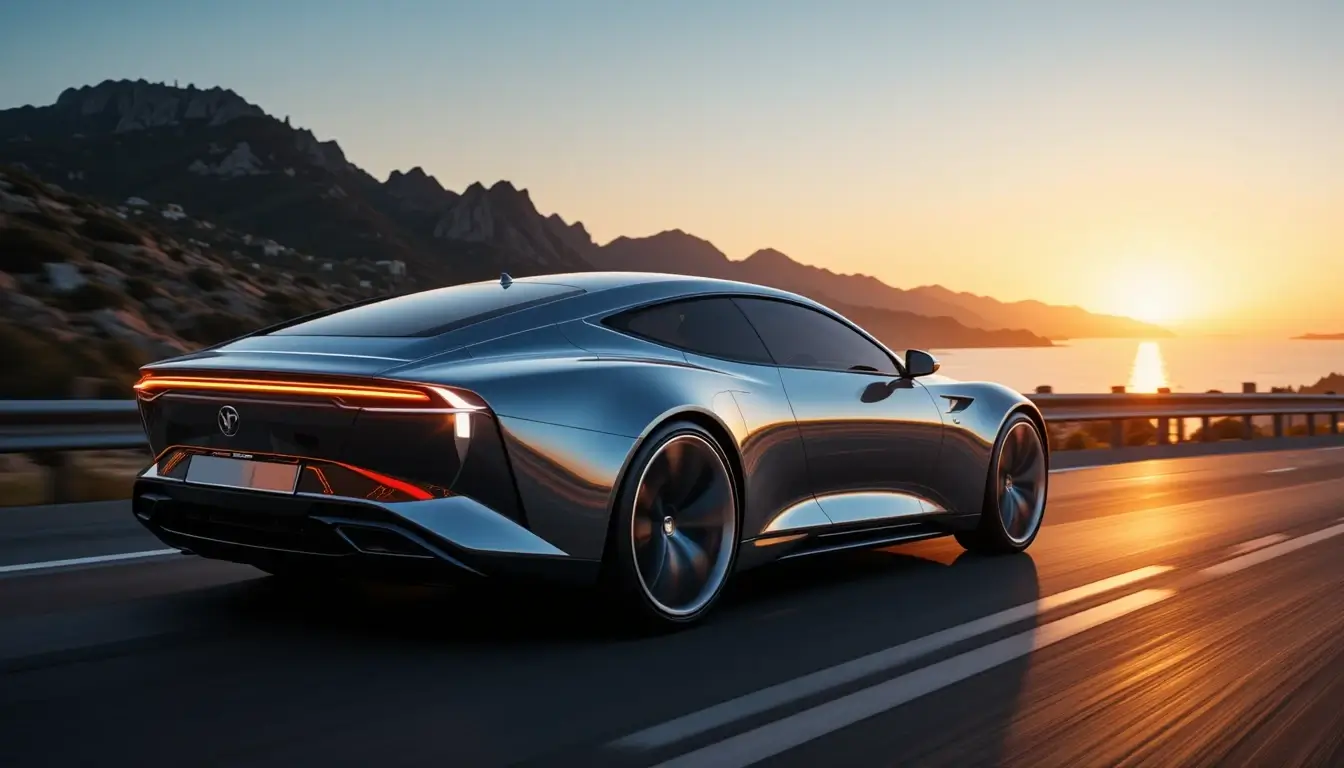
    The Lucid Air isn’t perfect, but man, it’s close. It’s fast, luxurious, sustainable—and maybe most importantly—it feels like a glimpse into the kind of future we actually want to live in.

    So whether you’re an EV geek, a design lover, or just someone who’s sick of the gas pump game, Lucid’s worth a serious look.

    Who knows? The future might just be riding silently on four wheels—and wearing a Lucid badge.

  • Tata Curvv Petrol: India’s Most Stylish SUV Is Almost Here

    Tata Curvv Petrol: India’s Most Stylish SUV Is Almost Here

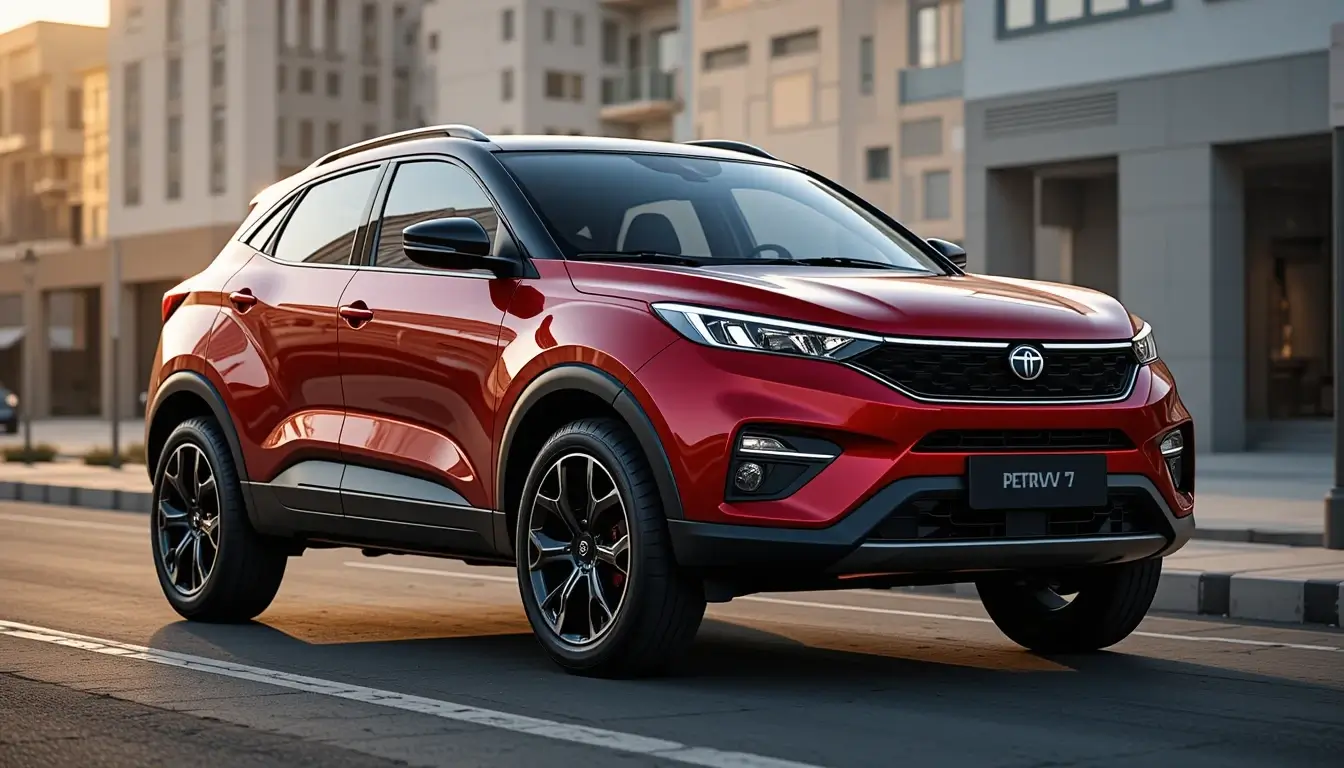
    There’s a new beast on the block, and it’s got people talking. The Tata Curvv Petrol —yep, the one with the coupe-like silhouette—is finally getting closer to launch. And while the electric version has been grabbing headlines, let’s not ignore the internal combustion sibling that’s quietly gearing up to take on the big players. This one’s for the petrolheads, the city slickers, and the folks who love a little thrill behind the wheel.

    Tata’s not just making another SUV. They’re making a statement. And trust me, the Curvv Petrol is shaping up to be a bold one.

    Design That Makes You Look Twice

    Let’s be real. Most SUVs on the road today? They kinda look the same. Boxy, functional, safe bets. But the Curvv Petrol? It’s got that drama. The design is sleek, bold, and honestly—pretty damn sexy. The sloping roofline gives it that coupe-like flair, something we don’t see much in this price segment.

    And while the EV version might come across a bit futuristic (in a good way), the petrol model balances it out with a more grounded front grille, proper air intakes, and a muscular stance. That LED strip running across the front? Chef’s kiss.

    Built on Tata’s Gen2 platform, this baby is made to handle ICE, hybrid, and EV powertrains. Smart move. And those sharp creases, flared arches, and connected tail-lamps just pull it all together.

    Under the Hood: A Turbocharged Punch

    Alright, let’s talk power. The Curvv Petrol is expected to come with Tata’s brand-new 1.2-litre turbo petrol engine—part of their latest TGDi (Turbocharged Gasoline Direct Injection) lineup. It’s expected to push out around 125 PS and 225 Nm of torque, which, honestly, sounds just right for Indian roads.

    It’ll likely be offered with a 6-speed manual and a 7-speed DCT. Automatic lovers, you’re not being left out. Plus, with Tata refining its NVH levels, this motor should run quieter and smoother than what we’ve seen from the brand before.

    Is it gonna be a race car? No. But will it be fun, peppy, and punchy enough for city driving and weekend trips? Absolutely.

    Interiors That Feel Fresh and Premium

    Hop inside and you’ll probably say “Whoa.” Tata seems to be going all out with the cabin on this one. Expect a twin-screen layout—a crisp infotainment screen and a fully digital instrument cluster. There’s a good chance we’ll get a 10.25-inch screen, and maybe even larger in top trims.

    They’re also bringing in premium touches: soft-touch materials, a panoramic sunroof, ventilated seats, ambient lighting, and all the jazz. And yes, wireless Android Auto and Apple CarPlay will be there. If not at launch, then surely through an OTA update.

    The layout feels clean and futuristic, but not overly minimal to the point of confusion (looking at you, some EVs). And for those wondering—boot space should be decent too. Even with that sloped roof, Tata’s not about to compromise on practicality. Probably.

    Safety First, Like Always

    It’s a Tata. So you already know the safety game is strong. While nothing’s officially confirmed yet, the Curvv Petrol is expected to come with at least 6 airbags, ESC, Hill Hold, TPMS, and more. Some trims might even offer ADAS features, which would be a first for Tata in this segment.

    Honestly, given Tata’s track record with Nexon and Punch scoring top marks in Global NCAP, it won’t be surprising if the Curvv follows the same path. Built like a tank, just with better styling.

    Expected Price and Launch Timeline

    So when can you buy it? Tata hasn’t dropped a confirmed launch date, but word on the street is that the petrol Curvv will drop in late 2024 or early 2025. The EV version might hit first, with the ICE following close behind.

    As for the price—expect it to slot somewhere between ₹11 to ₹16 lakh (ex-showroom). Which puts it smack in the middle of the midsize SUV warzone. We’re talking direct competition with:

    • Hyundai Creta
    • Kia Seltos
    • Maruti Grand Vitara
    • Toyota Hyryder
    • Skoda Kushaq
    • VW Taigun

    But here’s the thing: none of those have a coupe-like roofline, Tata safety, and a fresh turbo engine. So the Curvv might just curve its way past the competition.

    So… Is It Worth Waiting For?

    In one word: yes.

    If you’re tired of the same old designs and want something that feels new, looks premium, and doesn’t break the bank—the Tata Curvv Petrol should be on your radar. It’s sporty, stylish, well-specced, and more than likely, very competitively priced.

    It brings together what Indian car buyers love—good looks, decent mileage, punchy performance, and Tata’s no-nonsense build quality. Plus, with the DCT option, it’ll also appeal to folks who just want an effortless drive.

    In short? Tata’s not just playing the game. They’re flipping the board.

  • Volkswagen Tiguan R Line: A Sporty Spin on Everyday Luxury

    Volkswagen Tiguan R Line: A Sporty Spin on Everyday Luxury

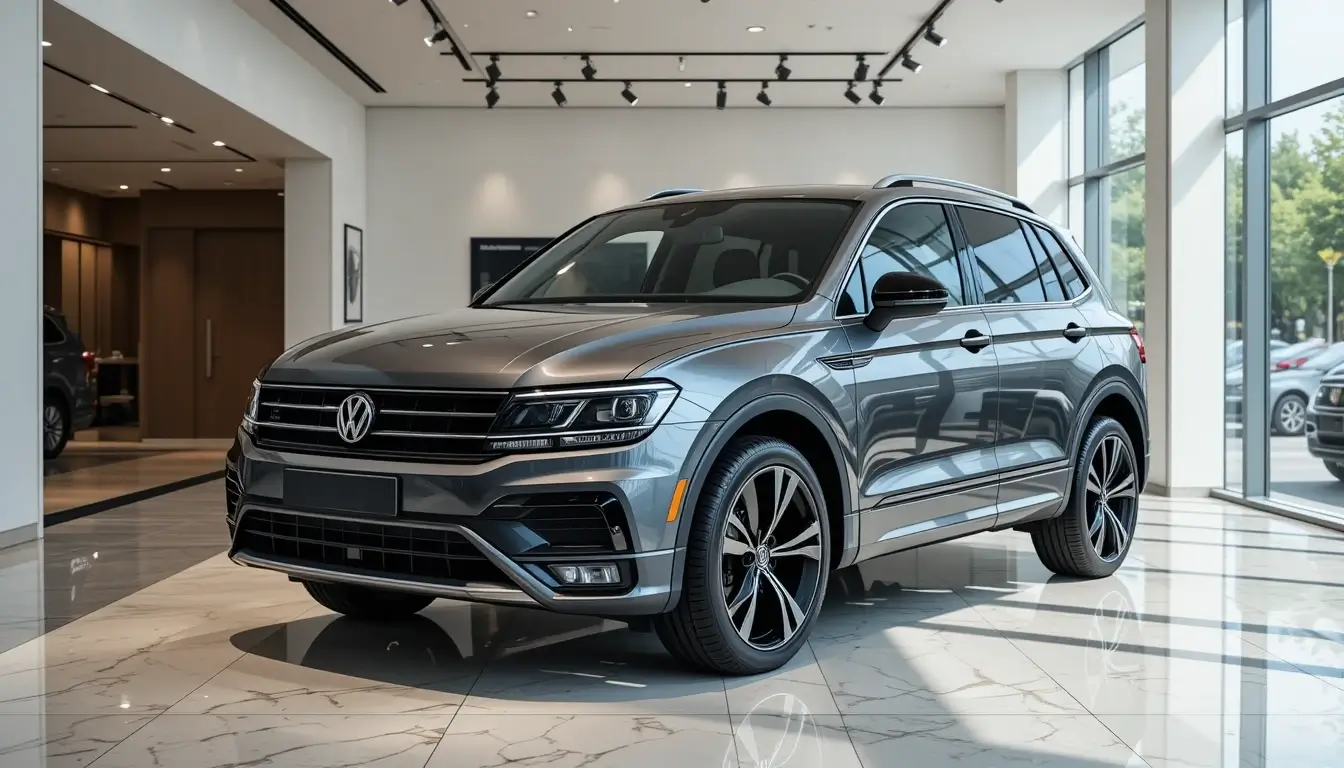
    You know when something just feels right the moment you see it? That’s the Volkswagen Tiguan R-Line. It’s not just another compact SUV with a shiny badge. Nope—it’s the kind of car that makes you do a double-take when it passes by. Sporty. Sharp. Surprisingly premium.

    But here’s the thing: it’s not just a pretty face. The Tiguan R Line delivers that sweet balance between performance and practicality—and that’s a combo that’s kinda rare these days.

    First Impressions Matter (and the R-Line Knows It)

    So, picture this: you’re walking up to your car, and it’s the Tiguan R-Line standing there with those bold lines and aggressive styling. You feel that subtle “heck yeah” moment inside. The R-Line trim brings in its own signature look—sleek body-colored bumpers, gloss black accents, and those distinctive R-Line badges that whisper (not scream), this one’s different.

    And then there’s the wheels. You get 19-inch alloys standard, but if you’re feeling fancy, you can bump up to 20s. Either way, it just works. The SUV sits a little more confidently than the regular Tiguan, giving it a street-ready vibe that’s hard to ignore.

    Power Meets Poise Under the Hood

    Now, about what’s under that sculpted hood—Volkswagen dropped in a turbocharged 2.0-liter TSI engine. It’s punchy. You get quick throttle response and smooth power delivery, which makes city driving a breeze and highway passing, well… kind of fun.

    And let’s talk about grip. The 4MOTION all-wheel-drive system does its job quietly in the background, kicking in when you need extra traction—like during a sudden rain or a dusty weekend trail. It’s confidence, bottled.

    No, it’s not a track monster. But it handles corners way better than your typical family SUV. That slightly stiffened suspension in the R-Line? It’s doing work. You feel more in control without sacrificing comfort.

    Slide Into the Cabin—This is Where It Gets Real Nice

    Open the door, and you’re met with a cabin that feels… upscale. The R-Line interior takes the standard Tiguan R Line vibe and turns it up. Sport seats with contrast stitching, R-Line logos here and there, brushed aluminum accents—it’s classy without trying too hard.

    And let’s be honest, the steering wheel matters more than people think. The R-Line’s flat-bottomed leather-wrapped one feels great in your hands, especially with the paddle shifters at your fingertips. It kind of makes you want to drive just a little longer than you need to.

    There’s room, too. Rear seat passengers get plenty of legroom, and the back seats recline—which is underrated until you’ve got friends or family on a road trip. Oh, and the cargo space? It’s surprisingly generous. Fold down the back seats and you’ve got over 70 cubic feet to play with. Grocery runs, camping gear, strollers—you name it.

    Tech That Actually Keeps Up With You

    Volkswagen’s infotainment game has seriously leveled up. The Tiguan R-Line gets an 8-inch touchscreen by default (10-inch if you go all in), and it’s quick—like, zero lag. Apple CarPlay and Android Auto are wireless now, which is a small thing that ends up being a big deal. No more fumbling with cables.

    The Digital Cockpit is slick too. It replaces your standard gauge cluster with a fully customizable screen. Speed, nav, playlist—it’s all there, right in front of you.

    And if you’re the type that loves good sound (who isn’t?), the optional Fender audio system bumps. Like, it actually sounds like music should.

    Safety That Doesn’t Nag You to Death

    Driver assistance tech? It’s loaded. You get lane keep assist, adaptive cruise, blind spot monitoring, and automatic emergency braking. And honestly, the way VW has tuned these features—they feel supportive rather than annoying. It’s tech that keeps you safe without feeling like it’s yelling at you every five seconds.

    There’s also park assist, which can help guide you into tight spots. Trust me, even if you’re a great parker, it’s still nice to have.

    Daily Driver That Doesn’t Feel… Boring

    This is where the Tiguan R-Line really hits its stride. It manages to feel exciting on a random Tuesday, even if you’re just doing a coffee run. The throttle’s responsive, the steering feels alive, and yet—it’s smooth. Not jittery. You can drive this SUV every day and not get bored.

    Fuel economy isn’t groundbreaking, but it’s decent. Expect something like 23 MPG in the city and close to 29 on the highway. For an AWD SUV with some pep? That’s a win in my book.

    And yeah, it’s compact—but not small. It fits in city parking spots without giving up interior space. Feels like VW figured out a really smart balance here.

    How Does It Stack Up Against the Rest?

    So let’s get real. You’ve got options like the Toyota RAV4, Mazda CX-5, Honda CR-V… solid SUVs, no doubt. But the Tiguan R Line brings that European finesse. It feels tighter on the road, more polished inside, and definitely sportier on the outside.

    Where the others lean more practical, the R-Line says, “Why not both?” It’s stylish and smart. And while some rivals edge it out in sheer horsepower or fuel economy, few deliver the same level of refined fun.

    Final Thoughts: Should You Buy the Tiguan R-Line?

    If you’re tired of driving something that just gets you there, the Tiguan R-Line might be exactly what you need. It’s not trying to be the fastest. Or the flashiest. But it’s got that just-right combo of style, comfort, and pep that makes everyday driving genuinely enjoyable.

    You receive an elegant look, a turbocharged motor, top-notch options, and technology that simplifies the life. If you are traveling to work, for fun, or just taking a leisurely drive, the Tiguan R Line adapts to the style. The vehicle almost assumes the perfect medium—a car, which is at the same time energetic and also rational.

  • How to Do Online Car Insurance Renewal in India – Step-by-Step Guide

    How to Do Online Car Insurance Renewal in India – Step-by-Step Guide

    I can assure you, renewing car insurance is not that interesting. However, it is a must, unless you are a person who enjoys paying huge fines or bills for car damage (I doubt you do).

    Thankfully, these days, you don’t need to stand in long queues or call up agents who never pick up on time. You can do it all online. Yep, online car insurance renewal is now super simple, and if you’ve never done it before, don’t worry—I’ll walk you through it step by step. It’s easier than you think.

    So, What Is Online Car Insurance Renewal?

    Here, let’s dissect it first. Online car insurance renewal is the action of getting a new car insurance using the internet. No paperwork, no waiting, no being cheated by the middlemen who convince you of what you do not need.

    You visit a website (could be your current insurer’s or a comparison site), enter a few details about your car and policy, pay the premium, and boom—done. Your renewed policy lands straight in your inbox. It’s that easy.

    Why You Shouldn’t Delay That Renewal

    Here’s the deal—if your insurance policy lapses, even for a day, you’re technically driving illegally in India. That’s right, not renewing on time can get you in trouble. And more importantly, if you end up in an accident during that gap, your insurer isn’t covering a thing.

    Also, you’ll lose your No Claim Bonus (NCB), which means you’ll pay more next year. And nobody likes paying more, especially for something that could’ve been avoided in a few clicks.

    How to Do Online Car Insurance Renewal in India (The Real Way)

    Let’s walk through this like we’re sitting across the table, chai in hand.

    Step 1: Hop Onto the Right Website

    Start by visiting the website of the insurance company, you already have had a policy with. In the case of better deals, you might as well visit comparison sites such as Policybazaar, Digit, or Coverfox.. They’ll show you multiple quotes side-by-side—kind of like Amazon, but for car insurance.

    Step 2: Punch In Your Car Details

    You’ll be asked for basic info—car registration number, policy number, stuff like that. If your number is linked with your account, sometimes just your mobile number will do the trick. Make sure you double-check your car’s make, model, fuel type, and year. Little mistakes here can mess up your quote.

    Step 3: Recheck Your Coverage

    This part’s important. Don’t just blindly renew the same policy. Ask yourself: Is it giving me enough protection?

    If you’ve only got third-party insurance and you’re driving regularly (especially in Indian traffic), it might be time to upgrade to comprehensive car insurance. It’ll cover you against theft, natural disasters, and even that one pothole that comes out of nowhere.

    Also, look at add-ons like:

    • Zero Depreciation
    • Engine Protection
    • Roadside Assistance
    • Return to Invoice

    These might increase your premium a bit, but they really come through when the unexpected happens.

    Step 4: Compare What You’re Getting

    Even if you’re loyal to your current insurer, it doesn’t hurt to peek at what others are offering. Check out the IDV (Insured Declared Value), claim process reviews, garage network, and most importantly, the Claim Settlement Ratio. A low premium is great, but not if they ghost you during a claim.

    Step 5: Don’t Miss Your NCB

    This one’s a money-saver. If you haven’t made any claims in the past year, you earn a No Claim Bonus—a discount that can be up to 50% over time. Make sure it’s included in your renewed policy. If you’re switching insurers, just transfer it. Don’t lose it because you forgot to tick a box.

    Step 6: Pay and Download

    Once you’re happy with everything, just pay using UPI, card, net banking—whatever suits you. The whole thing takes maybe 5–10 minutes tops. After that, your new policy will hit your inbox instantly.

    Print it out, save a PDF, maybe even send a copy to your WhatsApp just in case. Always good to have a backup.

    What If You Forgot to Renew on Time?

    Happens to the best of us. Most insurers give you a 30-day grace period where you can renew without losing your NCB. But be warned—you don’t get any actual coverage during this grace period.

    If you miss that too, your policy’s gone. You’ll need to buy a new one, and they might insist on inspecting your car before issuing it. Plus, your premium might go up. So yeah—set a reminder next time.

    Why Online Renewal Is a No-Brainer Now

    Still on the fence? Here’s why doing it online just makes sense:

    • It’s Quick: No queues. No calls. No stress.
    • 24×7 Access: Renew on a Sunday night in your pajamas if you want.
    • You Can Compare Easily: Find better deals, more coverage, and faster service.
    • Exclusive Online Discounts: Some insurers drop prices just for buying online.
    • Instant Policy Issuance: Get your soft copy in minutes.

    And the best part? You’re in full control.

    Avoid These Rookie Mistakes While Renewing Online

    • Forgetting to update your contact details? Can cause headaches during claims.
    • Skipping NCB? You’re literally leaving money on the table.
    • Picking the cheapest policy without reading the fine print? Might bite you later.
    • Not checking add-ons? You could be missing out on valuable protection.
    • Ignoring the claim settlement ratio? Big mistake. Huge.

    Wrapping It Up

    Renewing your car insurance online isn’t just about convenience—it’s about smart money decisions and staying protected on the road. The process is smooth, the platforms are getting better every day, and honestly, once you do it once, you won’t go back.

    So the next time your policy is close to expiring, don’t wait for an agent to show up. Just grab your phone or laptop, follow these steps, and get it done in minutes.

    Stay insured. Stay safe. And keep driving worry-free.

  • How to Increase Car Mileage for Petrol in India (Without Becoming a Car Mechanic)

    How to Increase Car Mileage for Petrol in India (Without Becoming a Car Mechanic)

    Let’s be real—driving in India isn’t always a smooth ride. Between potholes, bumper-to-bumper traffic, and petrol prices that make your wallet weep, it’s no wonder most of us are constantly Googling How to Increase Car Mileage for Petrol in India.

    I mean, who doesn’t want to squeeze every last drop of efficiency from their tank?

    If you’ve ever looked at your fuel gauge dropping faster than expected and thought, “Yaar, is something wrong with my car?” — you’re not alone. The good news? You can totally improve your petrol mileage, without doing anything super technical or expensive.

    Here’s how.

    Mileage Drops? Yeah, There’s a Reason.

    First off, let’s understand why your car might be guzzling more fuel than it should.

    Indian roads aren’t exactly… kind to vehicles. You’ve got stop-and-go traffic, weirdly timed signals, random speed breakers, stray dogs, and that one biker who always thinks he’s in Fast & Furious. All of this affects how efficiently your car uses petrol.

    But it’s not just the roads. A lot of it comes down to how we drive, how we maintain our cars, and honestly—how much we know (or don’t) about what impacts mileage.

    1. Smooth Driving Wins the Race (and Saves Fuel)

    We all get impatient. Late for work? Zoom. Need to overtake? Floor it. But here’s the thing—rapid acceleration and sudden braking are mileage killers.

    Instead, try to drive steady and smooth. Let the car flow. If you’re in the city, staying between 50–60 km/h is usually the sweet spot for most petrol cars. No need to race. Unless you’re being chased by a lion (which, let’s be honest, probably won’t happen in Mumbai).

    2. Tyre Pressure: That One Thing You Keep Forgetting

    Low tyre pressure = more friction = more fuel burnt.

    Yeah, I know, checking tyre pressure sounds boring. But do it anyway. Make it a habit—like checking your phone notifications every morning. Most petrol pumps even offer free air-checking stations. Use them. Ideally, every 10–15 days.

    Oh, and always check when the tyres are cold. Hot tyres = wrong readings.

    3. Don’t Idle Like It’s 1999

    You ever see folks leaving their engine running at red lights or outside shops? Don’t be that person.

    Today’s engines don’t need that “warm up” myth from the ’90s. If you’re stopping for more than 60 seconds, just turn the engine off. You’ll not only save fuel, but also do your bit for the planet (and your pocket).

    4. The Right Engine Oil? It Actually Matters.

    It’s not just about changing oil—it’s about using the right one. The stuff your mechanic pours into your engine plays a huge role in how well your car runs.

    Low-quality or incorrect oil makes your engine struggle. And a struggling engine drinks more fuel. So next time you go for a service, don’t just say “haan bhai, jo dalna hai daal do.” Ask what they’re using. Read your owner’s manual (yes, that book in the glove box you never open). It’ll tell you what’s best.

    5. Lighten the Load, Literally

    This one’s silly simple, but people ignore it all the time.

    Your boot’s not a storage unit. Those old bottles, car cleaning kits, extra tools, even that broken umbrella from last monsoon—it’s all just extra weight.

    And yes, more weight = more fuel consumption. Also, ditch the roof rack if you’re not using it. Wind resistance is real, my friend.

    6. That AC You Love? Use It Smartly.

    Look, I get it. Indian summers are brutal. But blasting the AC all the time, especially in slow-moving traffic, actually puts extra load on your engine.

    If you’re driving under 40 km/h in city conditions, crack open the windows instead. At higher speeds though, stick to AC—open windows mess with aerodynamics and, ironically, burn more fuel.

    Balance is key.

    7. Plan Like a Desi Dad on a Road Trip

    Remember how your dad would plan routes in advance, avoid tolls, and find that one shortcut that saves 8 minutes?

    Turns out, he was onto something.

    Use Google Maps or MapMyIndia to check live traffic before heading out. Avoid peak hours. Take smoother roads. Less time in traffic means less petrol wasted. You might even discover a better route to work or college.

    8. Shift Gears Like You Mean It

    If you drive a manual, you know the temptation to stay in a low gear just to zip through city traffic. But the more your engine revs, the more fuel it consumes.

    As soon as the road opens up a bit, shift to higher gears. Let your engine breathe. But don’t be lazy either—don’t go to 5th gear while doing 20 km/h. That’s just… wrong.

    Learn to listen to your engine. It talks to you. Kinda.

    9. Stop Half-Clutching, Seriously

    This is a big one. If you keep your foot half on the clutch while driving (aka “riding the clutch”), you’re literally burning fuel for no reason and wearing out your clutch faster.

    Use the clutch when you need it. Release it completely when you don’t. That’s it.

    10. Fuel Up from the Right Places

    Not all petrol stations are honest. Sad but true.

    Try to stick to reputed fuel stations. Look for Indian Oil, HPCL, BPCL outlets that are busy (high turnover = fresh fuel). And once in a while, if your car allows, try premium fuel. It’s a bit more expensive, but some drivers claim it gives a mileage bump and keeps the engine cleaner.

    Your experience may vary, but it’s worth a shot.

    Real Talk: Mileage Is About Habits, Not Hacks

    At the end of the day, there’s no one miracle fix. It’s about small habits—how you drive, how often you maintain your car, and just being aware.

    A few kilometers per liter might not seem like much, but over a year? That’s thousands saved. And in today’s petrol-price reality, that matters.

    Also, treat your car right. It’ll treat your bank balance better.

  • Best vogo bike The Ultimate Guide for Smart Commuters

    Best vogo bike The Ultimate Guide for Smart Commuters

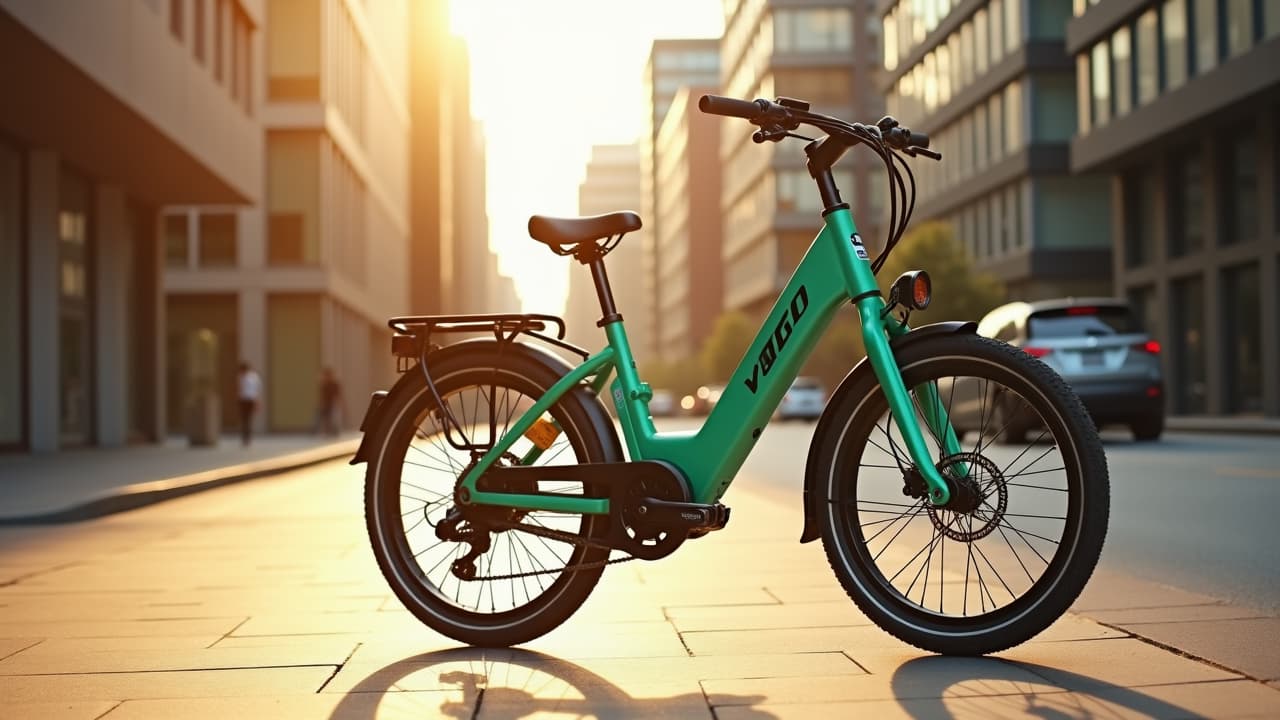
    Best vogo bike Look, we’ve all been there. Stuck in traffic, watching the Uber fare tick up like a slot machine, wondering if there’s a better way to get across town. Enter Vogo – those bright green scooters that seem to multiply like rabbits in every Indian metro city.

    I’ve been using them on and off for months now, and here’s the real talk – no marketing fluff.

    Best vogo bike First Impressions: It’s Actually Pretty Damn Convenient

    Picture this: You’re late for a meeting. The metro’s packed like sardines. Autowallas are quoting ₹200 for what should be a ₹80 ride. Then you spot it – a lonely Vogo scooter parked near the station, practically glowing like some two-wheeled angel. Best vogo bike

    • Unlocking takes 30 seconds (scan QR → ride)
    • No deposit nonsense (unlike some other services)
    • Decent condition (most feel well-maintained)

    First time I used one? Felt like I’d hacked the system. ₹75 to go 8km? Yes please.

    But Here’s Where Things Get… Interesting

    Not all rainbows though. After about 20 rides, I’ve noticed: Best vogo bike

    The Good Stuff

    ✔ Cheaper than breathing (okay, not really – but definitely cheaper than cabs)
    ✔ Zipping through traffic like a boss while cars sit gridlocked
    ✔ No fuel worries (they actually keep them filled up, miracle of miracles)

    The Annoying Bits

    ⚠ That damn parking zones – Get this wrong and the app yells at you like a disappointed parent
    ⚠ Random beeping – Sometimes they beep for no reason, making you look like an idiot
    ⚠ Helmet situation – Some have them, some don’t, it’s a mystery box every time Best vogo bike

    Vogo vs The Competition: Real Talk

    FeatureVogoBounceYulu
    SpeedProper scooter (50kmph)SameE-bike (slow af)
    Pricing₹3-5/km + ₹1/minSimilarCheaper but slower
    FlexibilityDrop in zoneReturn to hubFixed spots

    My take? Vogo wins for actual point-to-point convenience. Unless you enjoy pedal power (looking at you, Yulu).

    Pro Tips From Someone Who’s Learned the Hard Way

    1. Always check parking zones BEFORE riding – That “convenient” spot 100m away? Might be just outside the zone.
    2. Do a quick inspection – Check brakes, throttle, and for God’s sake check if the helmet’s there.
    3. Avoid rush hour – Great in theory, but everyone has the same idea.
    4. The app is your bible – Ignore it at your peril.

    Who’s It Really For?

    ✅ Office folks tired of spending half their salary on Uber
    ✅ College kids who need cheap thrills (and transport)
    ✅ Anyone who enjoys feeling slightly rebellious zipping past traffic

    Not for you if:
    ❌ You need to go long distances (battery anxiety is real)
    ❌ You’re the type who gets stressed by beeping noises
    ❌ You expect luxury (it’s a scooter, not a Rolls Royce)

    Final Verdict: Surprisingly Not Terrible

    After all my rides, here’s the truth: Vogo’s one of those rare services that actually works like it says it will. Is it perfect? Hell no. But when it’s 5pm, raining, and you need to get home without selling a kidney for cab fare? That little green scooter starts looking real good.

    Used Vogo before? Got any horror stories or hacks? Spill below – we all need to know which zones to avoid!