Author: admin

  • Mahindra XEV 9e – A New Chapter in India’s Electric Future

    Mahindra XEV 9e – A New Chapter in India’s Electric Future

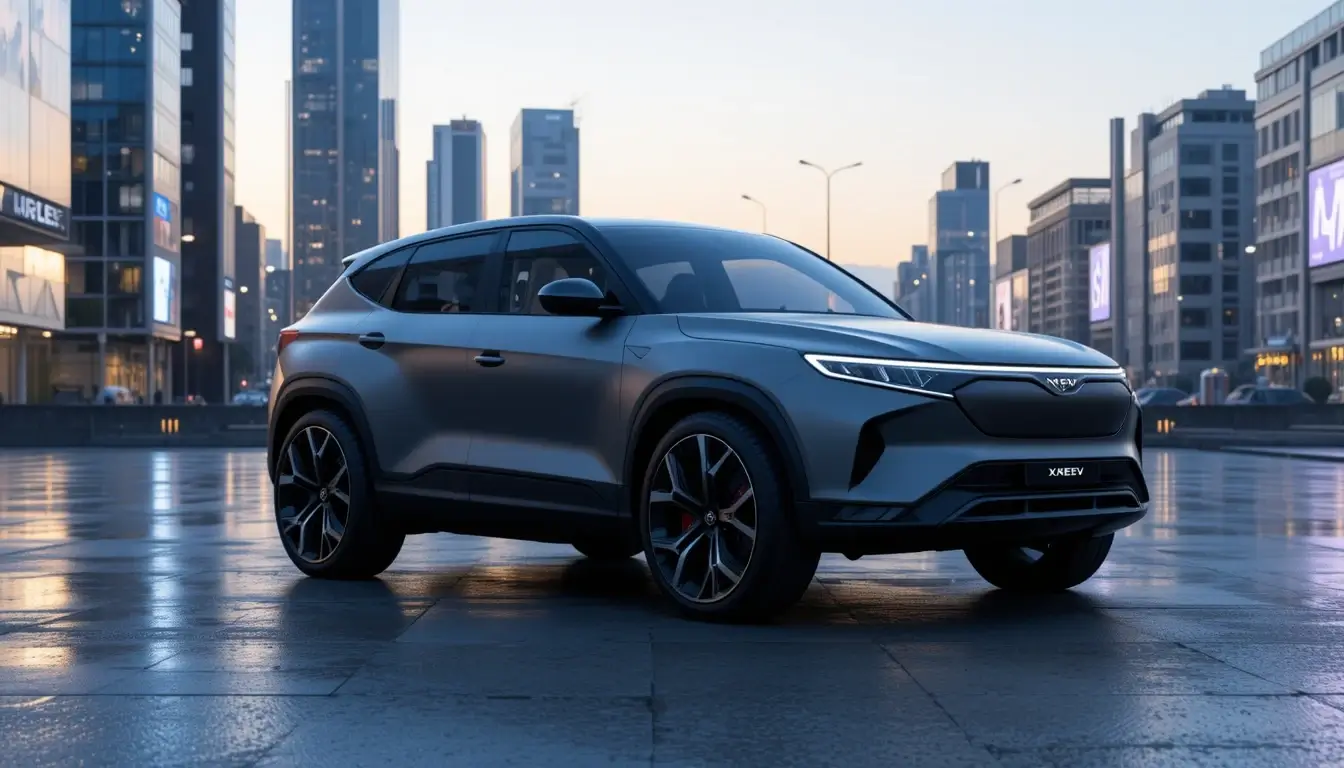
    Well, now, Mahindra is serious with what they want to say for the change. After teasing us with a string of electric concepts and futuristic promises, they’re now getting serious with something that feels different. Really different. Enter the Mahindra XEV 9e—a sleek, powerful, and incredibly ambitious electric SUV that’s turning heads even before it’s officially launched.

    Not another “eco-friendly” type of vehicle it is to be sure. Mahindra is now officially the owner of a breathtakingly cutting-edge, fully electric vehicle. And honestly? It’s kind of exciting.

    A Design That Doesn’t Try Too Hard—But Still Wows

    Let’s talk design. The XEV 9e looks like it belongs in a sci-fi movie—but one of the good ones, not the low-budget kind.

    It’s built on Mahindra’s new INGLO EV platform, which means we’re looking at a whole new breed of SUV. Smooth lines, sharp angles, and LED lights that scream “I’m not here to blend in.” The front end? No traditional grille—just a futuristic face with a bold light signature. Very EV. Very now.

    And those wheels—sculpted, futuristic, probably designed in some wind tunnel. They’re not just for show; they help with aerodynamics and efficiency too. Honestly, this thing looks like it was built to glide, not roll.

    Inside the Cockpit – Techie, Minimal, and Pretty Damn Cool

    Step inside, and it gets even better.

    The interior of the XEV 9e feels like someone merged a luxury lounge with a spaceship. You’ve got massive screens (probably two—one for the driver, another for everything else), touch-sensitive controls, and a cabin that’s minimal without feeling empty. You know that fine line between “sleek” and “soulless”? Mahindra seems to have nailed it.

    You’ll likely see features like wireless Android Auto and Apple CarPlay, cloud-connected services, ambient lighting that changes with your mood (yes, really), and even AI voice commands. Maybe even stuff like gesture controls or AR navigation—we wouldn’t be surprised.

    Oh, and rumor has it that the seats will be made from sustainable materials. Eco-luxury is the vibe here.

    Let’s Talk Power – What’s Under the Hood (Or… the Floor?)

    Now, since this is an electric SUV, we’re not dealing with petrol tanks or exhausts. Instead, we’re talking motors, battery packs, and raw torque.

    While official numbers are still under wraps, insiders are hinting at a range of around 450 to 500 kilometers. Not bad at all. Perfect for your daily commute and that spontaneous weekend trip you keep putting off.

    It’ll probably support ultra-fast charging, too—think 0 to 80% in half an hour. That’s just enough time to grab a coffee and doomscroll through Instagram.

    And performance? Expect this SUV to move. We’re hearing whispers of 0 to 100 km/h in under 6 seconds. That’s hot hatch territory—except this is an SUV. Let that sink in.

    Safety & Smart Tech – Because Brains Matter Too

    What’s power without safety, right?

    The XEV 9e is expected to come loaded with ADAS (Advanced Driver Assistance Systems)—stuff like lane-keeping assist, adaptive cruise control, and emergency braking. So yeah, it’s going to be smart. Like, really smart.

    Also, expect the full safety suite—multiple airbags, strong crash-tested body structure, and maybe even Level 2 autonomy. Basically, it’ll do a lot of the thinking for you, especially when you’re stuck in maddening traffic or long drives.

    And let’s not forget connectivity. Remote lock/unlock, location tracking, battery health monitoring, OTA updates—all from a Mahindra EV app. Because why not?

    The INGLO Factor – India Meets Global Tech

    Let’s not ignore the backbone of all this—the INGLO platform. It stands for Indian Global. Catchy, right?

    It’s Mahindra’s way of saying, “We’re building something global, but rooted in Indian needs.” It supports multiple battery sizes, drive types (AWD, RWD, FWD), and body styles. In other words, it’s modular, flexible, and future-ready.

    This also means that over time, Mahindra could push software updates to your XEV 9e—improving things like range, performance, or even adding new features. That’s the beauty of a software-defined vehicle.

    Pricing & Launch – How Much and When?

    Here’s where things get a little fuzzy.

    The Mahindra XEV 9e hasn’t been officially priced yet, but whispers suggest it’ll be somewhere in the ₹30–40 lakh range (ex-showroom). That’s premium, yes. But considering the tech, performance, and global appeal, it just might be worth every rupee.

    As for launch? Late 2025 is looking likely. Mahindra is being careful with this one. And rightly so—it could be the face of their EV revolution.

    Why the Hype Matters – It’s Bigger Than Just One Car

    The XEV 9e is not just another SUV. It’s a shift in mindset. A step toward clean mobility that doesn’t feel like a compromise. And coming from Mahindra—a brand that’s been deeply Indian for decades—it means a lot.

    We’re finally seeing an Indian automaker take the global EV challenge seriously. And not by copying what Tesla or Hyundai is doing, but by doing it their own way.

    Final Thoughts – Should You Be Excited?

    Absolutely.

    The Mahindra XEV 9e isn’t just promising—it’s electric, it’s fresh, and it’s got attitude. It’s built for folks who want tech, performance, and sustainability—all rolled into one.

    Is it perfect? Probably not. No car is. But it looks like the kind of vehicle that could make people rethink what they expect from Indian cars—and that’s huge.

    So yeah, keep your eyes on this one. Because the XEV 9e isn’t just coming—it’s coming loud.

  • Redmi 13C 5G Review: A Budget 5G Phone That Punches Above Its Weight?

    Redmi 13C 5G Review: A Budget 5G Phone That Punches Above Its Weight?

    Okay, so here’s the thing. Redmi has been killing it in the budget smartphone game for years now, and the Redmi 13C 5G is just another reminder of that. It’s cheap. It’s 5G-ready. And it doesn’t look like a phone that costs just around ₹11,000. But is that enough?

    Let’s dive into the real stuff — no fluff, no tech jargon overload. Just honest thoughts about whether this phone is worth your attention (and your money).

    First Impressions: Looks That Deceive (In a Good Way)

    At first glance, the Redmi 13C 5G honestly doesn’t scream “budget phone.” It’s got this stylish back panel — kind of a matte-ish finish that doesn’t pick up too many smudges. Feels nice in the hand. Not too slippery. Not too heavy.

    redmi 13c 5g

    And yeah, the design? It’s actually kinda good-looking for the price. That slightly raised camera module gives it a premium-ish vibe, even though we all know this thing isn’t competing with flagships.

    Color options are nice too. The Startrail Green and Silver are pretty funky if you’re into that. Personally, the black one just looks sleek and safe.

    Display: Smooth… But Not Super Sharp

    The phone’s got a 6.74-inch LCD display, and it’s… okay. Nothing groundbreaking. It’s not Full HD (only HD+), so if you’re picky about crisp visuals, you’ll notice the difference. But here’s the deal — for everyday use? It works just fine.

    Scrolling feels smooth, thanks to the 90Hz refresh rate. Apps don’t lag while swiping around, which is more than you can say for a lot of phones in this range. And yes, Gorilla Glass protection is there too — a nice bonus at this price.

    One small gripe though: outdoor brightness. Under direct sunlight, the screen does struggle a bit. You’ll need to squint sometimes. Not a dealbreaker, but worth knowing.

    Performance: Not a Beast, But a Solid Buddy

    Now to the meat of the matter — performance. The Redmi 13C 5G comes with the MediaTek Dimensity 6100+ chipset, which is a 6nm processor. Sounds technical, I know, but what it means is: good efficiency + decent speed.

    Apps open quickly. Social media runs smoothly. Even light gaming? Totally doable. I tried a few rounds of BGMI on medium settings — no crazy frame drops or overheating. Don’t expect buttery performance on max graphics though. It’s not made for that.

    Multitasking also holds up well, especially in the 6GB RAM variant. And with UFS 2.2 storage, apps load noticeably faster than those old eMMC storage types.

    Oh, and yes — 5G actually works well. Dual 5G standby, supports most Indian bands. Tested it on Jio. Speeds were impressive (when the network cooperated, of course).

    Camera: It’s a 50MP Shooter, But Don’t Expect Miracles

    The main sensor is 50 megapixels, which sounds great on paper. And in good lighting? It actually delivers. Photos come out sharp, colors are decent, and detail is pretty solid. There’s even AI scene detection that tweaks the image based on what you’re clicking.

    But let’s be real — this ain’t a camera king.

    Low-light performance drops off quickly. Noise creeps in, and Night Mode helps a little… but not a lot. The 5MP selfie cam is also just okay. It’ll get the job done for video calls and quick selfies, but don’t expect Instagram-worthy shots every time.

    Still, for a phone in this price segment? Can’t complain too much.

    Battery Life: All-Day, No Stress

    Now this is where the Redmi 13C 5G really shines. The 5000mAh battery is just a champ. Easily gives a full day of usage — sometimes more — even if you’re a heavy user. You could stream, scroll, call, text, and still have juice left at bedtime.

    It supports 18W fast charging, which is nice, but the catch? Xiaomi only gives a 10W charger in the box. Bit of a letdown there. If you already have a faster charger, great. If not, well, it’ll take a little longer to juice up.

    MIUI Experience: Love It or Hate It

    This one’s subjective. The phone runs on MIUI 14 based on Android 13, and… it’s fine. Feature-rich, yes. You get Second Space, Focus Mode, Dual Apps, and all the MIUI goodies.

    But there’s still some bloatware. You can uninstall most of it, but it’s there. Also, occasional ads pop up in system apps unless you go hunting through settings to turn them off. Slightly annoying? Sure. A dealbreaker? Probably not, especially once you tweak it.

    Pricing and Variants: Crazy Good for What You Get

    Let’s talk numbers. The Redmi 13C 5G comes with a price tag of ₹10,999 for the 4GB + 128GB model in India. The 6GB version is just at about ₹12,499 per unit. Considering you get 5G, a solid chipset, a 90Hz display, and a big battery — that’s actually a steal.

    This phone is clearly meant for folks who want 5G without spending a fortune. Students, first-time smartphone buyers, or anyone just tired of laggy old 4G phones — this one’s a solid pick.

    Should You Buy the Redmi 13C 5G?

    If you’re still on the fence, here’s the bottom line:

    The Redmi 13C 5G is not perfect — no budget phone is. But it nails the essentials. It looks good, performs well for its price, and gets you on the 5G train without emptying your wallet.

    Sure, the screen isn’t Full HD. The cameras aren’t flagship-grade. And MIUI still has some quirks. But for around ₹11k? This phone is honestly punching way above its weight.

    So yeah, if you’re on a tight budget and want a phone that feels modern, runs smooth, and is future-proof — go for it.

  • The OnePlus 13T Is Here—And Honestly, It’s Kinda Wild

    The OnePlus 13T Is Here—And Honestly, It’s Kinda Wild

    Intro: So, What’s the Big Deal?

    Let’s kick this off with a confession: I’ve been eyeing OnePlus phones for years, but the 13T? Man, this thing hits different. In a world where smartphones often feel like tiny, incremental upgrades, the OnePlus 13T feels like a mic drop.

    It’s sleek, stupidly fast, and packed with features that’ll make your inner tech nerd do a little dance. But is the hype for it justified? I could make it clearer. No hard words, no more extra words, only reality.

    Design: Feels Like a Million Bucks (Without the oneplus 13t price Tag)

    Okay, first off—the design. OnePlus 13T nailed it again. The 13T has this smooth, matte glass back that’s like holding a polished river stone. No smudges, no slippery nonsense. And those color options? The “Midnight Emerald” shade is so deep it’s basically hypnotic. But here’s the kicker: it’s lightweight. Like, how is this so light? At 199 grams, it’s lighter than my chonky coffee mug, and the curved edges? Chef’s kiss. Oh, and yeah, it’s IP68-rated. So go ahead, take it out in the rain. Live a little.

    Screen: Butter-Smooth and Brighter Than My Future

    The display? Absolute fire. That 6.7-inch AMOLED panel is so crisp you’ll wanna lick it. Colors pop like a Pixar movie, and the 120Hz refresh rate? Scrolling through TikTok feels like gliding on ice. But here’s what surprised me: the brightness. 1300 nits means you can actually see your screen in direct sunlight. No more squinting like a confused raccoon. And the best part? The bezels are practically nonexistent. It’s all screen, baby.

    Performance: Faster Than My Dog When He Hears “Treat”

    Under the hood, this thing’s a monster. The Snapdragon 8 Gen 2 chip is like a caffeinated cheetah—apps open before you even finish tapping. Gaming? Genshin Impact on max settings? Ridiculously easy to work with.

    It doesn’t crawl, it doesn’t fumble, it just hits the top speed. Moreover, with a 16GB RAM, you can still flick through 47 Chrome tabs without any issues. Storage? 512GB. That’s enough for, like, 100,000 selfies. Or 27,000 cat videos. Your call.

    Battery Life: Charges Faster Than I Can Finish My Coffee

    Battery anxiety? Not here. The 5,000mAh battery easily lasts a full day, even if you’re binge-watching Stranger Things at work. But the real magic is the charging. 150W SuperVOOC. Let that sink in. You can go from 0% to 100% in 18 minutes. Eighteen. I timed it. By the time I microwaved my sad leftover pizza, this thing was juiced up. Wireless charging? Yep, 50W. It’s almost unfair.

    Cameras: Shots So Good, You’ll Forget You’re Not a Pro

    Alright, let’s talk cameras. The Hasselblad partnership? Not just a gimmick. The 50MP main sensor takes photos so sharp, you’ll see pores you didn’t know existed. Night mode? Shockingly good. I snapped a pic of my dimly lit backyard at midnight, and it looked like midday. The ultra-wide lens doesn’t warp faces into potato shapes, and the 3x telephoto? Perfect for creepin’… I mean, respectfully capturing distant birds. Oh, and 8K video? Yeah, it’s that good.

    Software: OxygenOS 14—Clean, Simple, No Bloat

    OxygenOS 14 is buttery-smooth. No clunky menus, no preinstalled apps you’ll never use. Just pure Android bliss. Features like Zen Mode (which locks you out of your phone for 20 minutes to touch grass) are weirdly genius. And the customization? You can tweak everything from icon shapes to the way your notifications vibrate. It’s like having a phone that’s actually yours.

    Extras: Because OnePlus Loves to Show Off

    Stereo speakers tuned by Dolby Atmos? Check. Wi-Fi 6E for lag-free Netflix? Check. That iconic alert slider for silencing your phone during awkward meetings? Double-check. And 5G? Obviously. This thing’s future-proofed for the next few years, at least.

    Verdict: Should You Buy It?

    Look, if you’re rocking a phone from 2020 or earlier, the 13T is a no-brainer. It’s fast, gorgeous, and packed with features that’ll make your friends jealous. Even if you’re team iPhone or Samsung, this phone deserves a side-eye. OnePlus 13T isn’t just playing the game anymore—they’re changing it.

    Final Thought: Who Is This For?

    Gamers, photo nerds, multitaskers, serial scrollers… honestly, everyone. Unless you’re glued to the Apple ecosystem (we don’t judge), the OnePlus 13T is the Swiss Army knife of smartphones. And hey, if you hate it? At least you’ll have bragging rights about that 150W charger.

  • Tata Nano 2025: Reinventing the World’s Most Affordable Car for a Sustainable Future

    Tata Nano 2025: Reinventing the World’s Most Affordable Car for a Sustainable Future

    Remember the Tata Nano? That tiny, budget-friendly car that promised to put millions of Indians on wheels? Yeah, the one that sparked debates about affordability vs. practicality. Fast-forward to today, and Tata’s back with a plot twist: the Tata Nano 2025.

    And this time? It’s electric, packed with tech, and ready to silence the skeptics. Let’s talk about why this reboot might just be the urban mobility hero we’ve been waiting for—flaws, quirks, and all.

    From “Cheapest Car” to “Smartest EV in Town”: A Redemption Story

    Let’s be honest—the original New Tata Nano 2025 had its issues. Critics called it cramped, underpowered, and, well, too basic. But here’s the thing: Tata wasn’t wrong about the vision. They just jumped the gun.

    Today, electric vehicles running through the urban streets and the atmosphere filled with polluted air is a clear sign of Tata’s mic-drop moment of Nano 2025.

    Can you think of the Nano 2025 as replacing the old gasoline engine with an electric motor that runs as silently as a whisper, adding solar panels and giving it a design that doesn’t look like a cheap car? That’s the Nano 2025. It feels like a person whom you never thought could achieve anything waking up one day and winning MasterChef.

    Design: Small but Mighty (and Surprisingly Stylish)

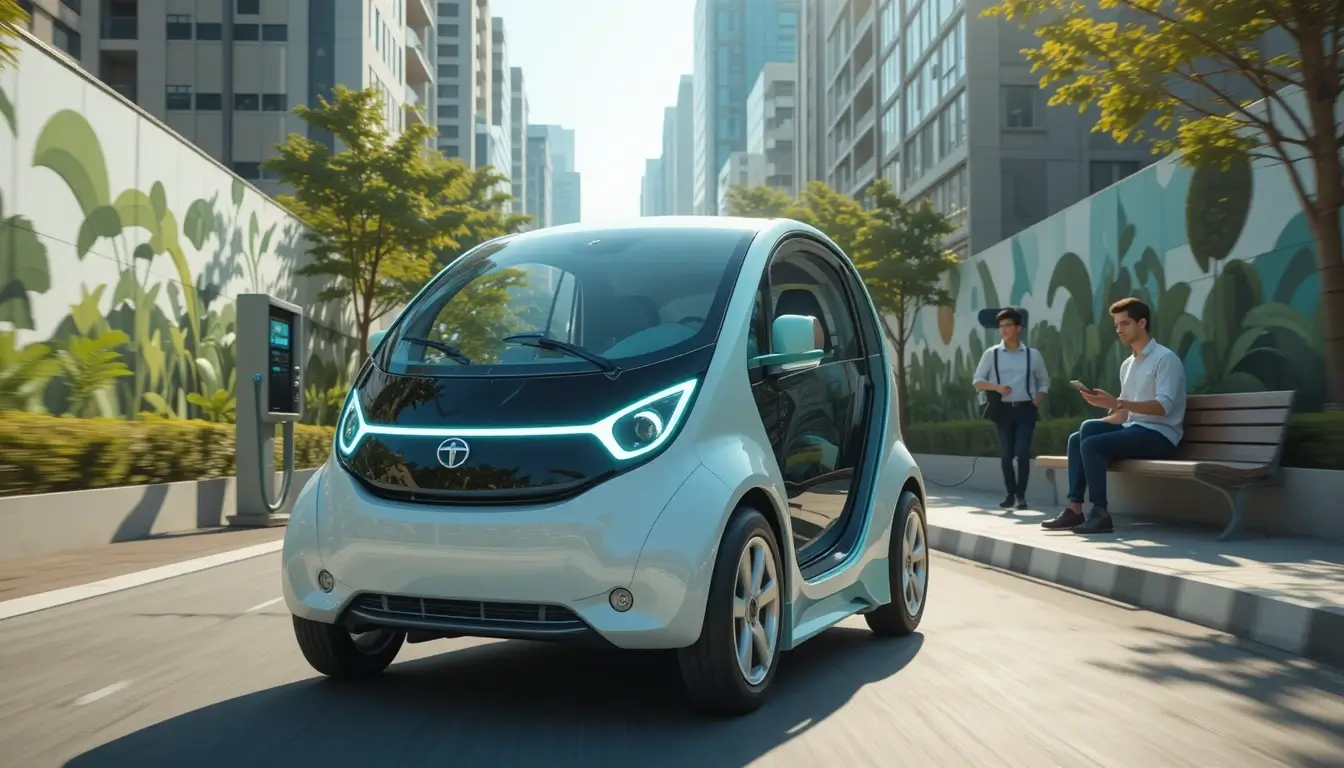
    Gone’s the boxy, no-nonsense look. The 2025 Nano sports a fresh, modern vibe—think rounded edges, a sleek LED light strip up front, and a two-tone paint job that somehow makes it look expensive.

    Sure, it’s still compact enough to squeeze into motorcycle parking spots (we’ve all tried it), but the cabin? Way roomier. They’ve stretched the wheelbase just enough so your knees aren’t hugging the dashboard.

    Inside, it’s all about “cheap but cheerful.” The seats? Recycled fabric that’s softer than you’d expect. The dashboard? A 10-inch touchscreen that’s basically a smartphone on wheels. And get this—they’ve added tiny storage nooks everywhere. Glovebox? Check. Door pockets? Check. A secret compartment under the passenger seat for your emergency samosas? Probably. It’s like IKEA designed a car.

    Tech That’s Smarter Than Your Average Sedan

    Okay, let’s geek out. The Tata Nano 2025 isn’t just electric—it’s smart electric. The base model promises 250 km on a charge, which, let’s face it, is more than enough for zipping around Mumbai or Delhi. But the real win? Tata’s thrown in 30-minute fast-charging. Yeah, you can juice it up while grabbing a coffee. No more panicking when your battery hits 10%.

    And then there’s the tech. This thing’s got AI that learns your driving habits. Leave for work at 8 a.m. every day? The car pre-cools the cabin by 7:55. Hate traffic? The built-in navigation finds backroads even Google Maps ignores.

    Oh, and it’ll nag you about tire pressure and brake pads like a worried parent. Safety-wise, they’ve loaded it with airbags, ABS, and lane-assist—because crashing a Nano shouldn’t be a death sentence anymore.

    Eco-Friendly? Try Eco-Warrior

    Here’s where the Nano 2025 gets cheeky. Tata’s gone full “green mode.” The roof has solar panels that trickle-charge the battery—park it in the sun, and you’ll gain a few free kilometers daily. The materials? Recycled plastics, plant-based foam, and carpets made from old fishing nets (yes, really). Even the production line runs on wind and solar power.

    But the coolest bit? The battery recycling program. Once your battery’s toast, Tata takes it back, refurbishes it, and slaps it into a rickshaw or solar farm. It’s the circle of life, EV-style.

    Who’s This For? (Spoiler: Probably You)

    Let’s cut to the chase: the Tata Nano 2025 isn’t for everyone. But if you’re a city dweller tired of traffic jams and Rs. 100/liter petrol? This could be your jam. Students, young professionals, gig workers—it’s perfect for anyone who needs a no-fuss ride that won’t bankrupt them. Rumor is Tata’s pricing it under ₹8 lakh, which undercuts every EV in India. Even Ola and Uber might snag these for their fleets.

    And hey, if you’re still nervous about EVs? Tata’s rolling out subscription plans. Pay monthly, swap batteries easily, and ditch the commitment phobia.

    Learning From Mistakes: Why This Tata Nano 2025 Won’t Flop

    Tata’s not repeating history. The 2025 Nano’s built on a tougher platform—no more flimsy sheet metal jokes. They’ve partnered with charging startups to blanket cities with stations, and there’s a PR blitz teaching folks why EVs aren’t just “fancy golf carts.” Plus, that 5-star safety rating? It’s a flex aimed squarely at past critics.

    The Bigger Picture: Why This Matters

    Globally, cities are banning gas cars. India’s pushing hard for EVs. But let’s be real—most people can’t afford a ₹20 lakh Tesla. The Nano 2025 bridges that gap. It’s not just a car; it’s a middle finger to pollution and a high-five to affordability. If this works, we could see millions of these little guys zipping around, cutting emissions, and proving you don’t need a fortune to join the EV revolution.

    Wrapping Up: Don’t Sleep on This New Nano 2025

    The Tata Nano 2025 isn’t perfect. The trunk’s still tiny, and highway drives might feel… adventurous. But for what it is—a city-friendly, planet-loving, wallet-pleasing EV—it’s a home run. Tata’s taken a punchline and turned it into a pioneer. And honestly? We’re here for it.

    So keep your eyes peeled. The New Nano 2025 might just be the underdog that changes how India drives—and hey, maybe the world, too.

  • Tata Sumo 2025: The Rugged Rebel Gets a High-Tech Makeover

    Tata Sumo 2025: The Rugged Rebel Gets a High-Tech Makeover

    Yup, that’s it—now the SUV or the Ford in Tata’s garage has started. If you’ve been keeping an eye on car news lately, you’ve probably heard whispers about the Tata Sumo 2025. Yeah, that Sumo.

    The one your uncle swore by during monsoon road trips and your dad used to haul everything from furniture to festival decorations. Well, guess what? It’s back. But this isn’t just some nostalgia trip—it’s a full-blown reinvention. Buckle up, because we’re diving into why this might be the most exciting SUV Tata’s dropped in years.

    From Bhaiyya to Boss: The Sumo’s Glow-Up

    Let’s rewind a bit. The original Tata Sumo wasn’t exactly what you’d call “pretty.” It was boxy, loud, and built like a tank—which, honestly, is why everyone loved it. Fast-forward three decades, and Tata’s decided the Sumo deserves a glow-up.

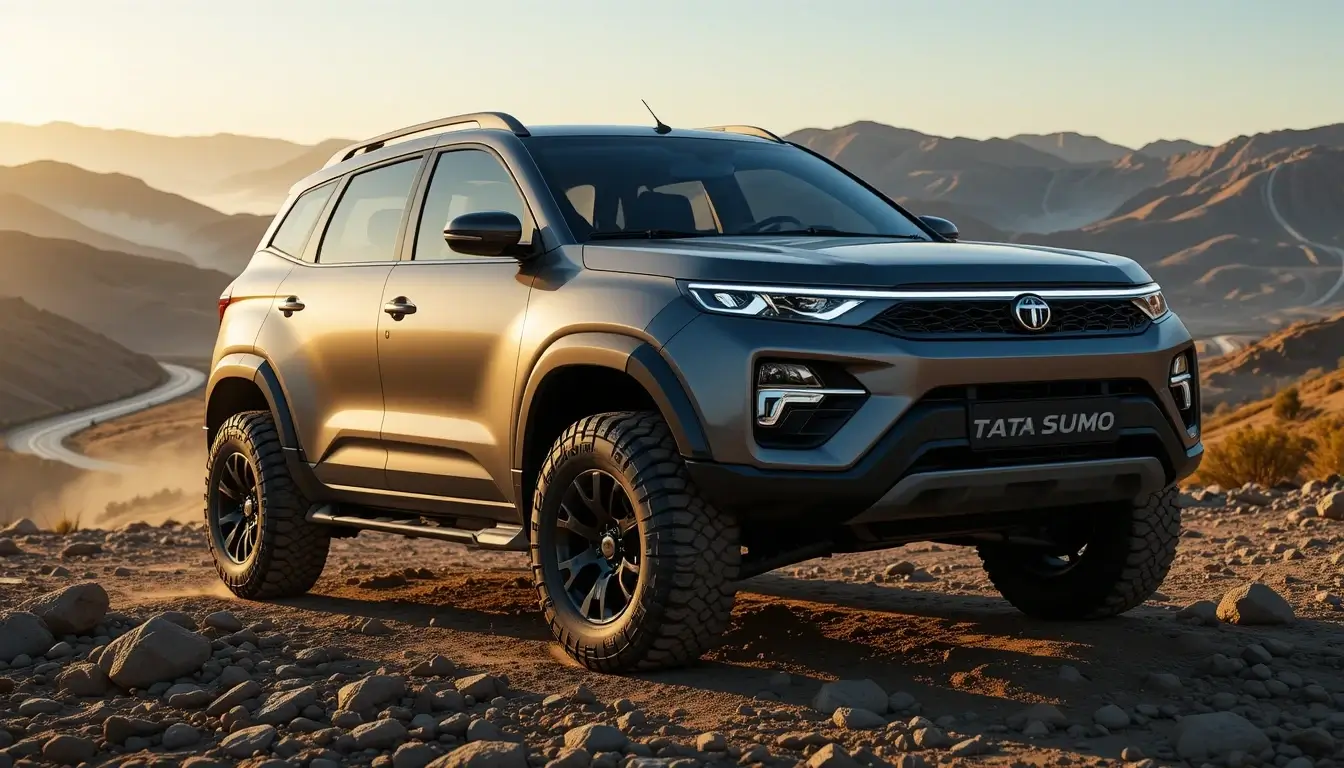
    Think of it like your favorite action hero swapping khaki shorts for a tailored suit but still knowing how to throw a punch. The 2025 model keeps that tough-guy vibe but tosses in curves, LEDs, and a grille that screams, “Move over, I’ve got places to be.”

    And here’s the kicker: it’s still a Sumo. You can spot those DNA hints—like the high roofline and chunky wheel arches—but now it’s got a sleeker profile that’ll actually turn heads in a mall parking lot. Oh, and those 18-inch alloys? They’re not just for show. Tackle a pothole-ridden backroad or a surprise speed bump, and you’ll thank Tata later.

    Inside the Cabin: Where Tech Meets “Arre, Bahut Comfortable Hai!”

    Okay, let’s crack open the doors. Remember the old Sumo’s plasticky interiors and those vinyl seats that stuck to your legs in summer? Yeah, those days are gone. The 2025 cabin feels like Tata raided a luxury lounge. Plush seats? Check.

    Ambient lighting that changes colors because why not? Check. And get this—there’s a massive 10.4-inch touchscreen slapped right in the middle. It’s like having an iPad glued to your dashboard, but in a good way.

    But Tata didn’t forget its roots. This is still a family-and-friends kind of ride. The third-row seats aren’t an afterthought (looking at you, some competitors), and there’s enough legroom to avoid the classic “knee wars” on long drives. Oh, and storage? Fold those seats down, and you could practically fit a small scooter back there. Perfect for that impulsive IKEA run or a weekend camping gear dump.

    Under the Hood: Diesel, Hybrid, and “Wait, This is a Sumo?!”

    Let’s address the elephant in the engine bay. The original Sumo’s diesel clatter could wake up the whole neighborhood. The Tata 2025 version? It’s still got diesel muscle, but now there’s a twist—a mild-hybrid system that’s like giving the engine a caffeine shot.

    You get 170 PS of power, which basically means merging onto highways feels less like a gamble and more like a smooth power move.

    But here’s where things get spicy. Tata’s throwing in a plug-in hybrid option too. Yep, electric mode for those “I’m saving the planet today” vibes. You can go up to 60 km inside the city on the electric power before gas engine comes to start.

    It’s as if you have Plan B for your Plan B. And before you ask—no, it doesn’t sound like a tractor. Progress, people!

    Safety Stuff: Because Tata Wants You Alive

    Let’s be real—older SUVs treated safety like an optional extra. Not this one. The Tata Sumo 2025 SUV comes packed with airbags (six of ’em!), a frame built like a bodybuilder’s skeleton, and gadgets that’ll make you feel like you’re driving a spaceship.

    Adaptive cruise control? Check. Lane-keeping assist that gently nudges you back if you daydream? Yep. There’s even a 360-degree camera so you won’t scrape those fancy alloys while parallel parking.

    But the coolest feature? Night Vision Assist. Picture this: you’re driving through pitch-black rural roads, and the car spots a cow chilling in the middle of the street before you do. Magic? Nah, just thermal cameras doing their thing. Tata’s basically giving you superhero night vision. No cape required.

    Green Cred: Saving Fuel (and the Planet) Without the Guilt

    Alright, let’s talk eco-stuff. The Tata Sumo 2025 isn’t exactly a tree hugger, but it’s trying. The hybrid engines eliminate emissions by 30%, the equivalent of taking a few thousand cars off the road. On top of this, regenerative braking is a very effective way of saving energy; in other words, your brakes become a generator of electric power.

    And inside, Tata’s using recycled plastics and vegan leather. Yeah, vegan leather. No cows were harmed in making your comfy seats. It’s a small step, but hey, at least you can brag about it at your next dinner party.

    Who’s It For? Literally Everyone.

    Seriously, this SUV’s playing for all teams. Families will love the space and safety. Adventure junkies can take it off-roading without sweating bullets. Even city slickers can navigate tight lanes thanks to its (relatively) compact size for a 7-seater. Oh, and rumor has it Tata’s planning a commercial variant too—because why should tourists have all the fun?

    New Tata Sumo 2025 Price Tag: Will It Break the Bank?

    No official numbers yet, but word on the street is Tata Sumo 2025 SUV price will start around ₹18 lakh. That puts it in the ring with the Mahindra Scorpio-N and Hyundai Alcazar. But here’s the thing: where else are you getting a hybrid SUV that can handle both Mumbai traffic and a mountain trail? Exactly.

    Final Verdict: Old-School Cool Meets New-School Smarts

    The Tata Sumo 2025 SUV isn’t just a comeback—it’s a flex. Tata’s taken a beloved relic, stuffed it with tech, safety, and a dash of eco-consciousness, and somehow made it feel fresh. Is it perfect? Who knows. However, it’s got a character, and in the land of the SUV clones, that deserves all the credit.

    Well, if you are in the mood for a handsome hybrid that is nostalgic and future-proof simultaneously, just be on the lookout.

  • Samsung Galaxy A56 5G: Mid-Range 5G Powerhouse

    Samsung Galaxy A56 5G: Mid-Range 5G Powerhouse

    Let’s get real—finding a smartphone that nails performance, style, and future-proof tech without emptying your wallet feels like a unicorn hunt. But Samsung Galaxy A56 5G might just be that mythical creature.

    Packed with features that punch way above its price tag, this phone is turning heads. Whether you’re a casual scroller, a mobile gamer, or someone who just wants their phone to work without fuss, the A56 5G has your back. Oh, and did I mention it’s 5G-ready? Let us take a look at it in a more.

    Design & Durability: Sleek, Sturdy, and Surprisingly Affordable

    First impressions matter, right? The Galaxy A56 5G doesn’t disappoint. With its glossy, glass-like back and slim profile, it looks way pricier than it is. Samsung’s gone for those understated, classy colors here—think Icy Blue (which is basically arctic chic) and Sunrise Orange (for the bold).

    But don’t let the looks fool you—this thing is tough. The IP67 rating means it’ll survive a dunk in the pool or a dusty hike, and that Corning Gorilla Glass? Yeah, it’s got your back against scratches.

    And here’s the kicker: despite feeling premium, the Samsung A56 price starts at a surprisingly mid-range sweet spot. You’re not paying flagship money, but you’re getting flagship vibes. Win-win.

    Display: Binge-Watchers, This One’s for You

    The 6.5-inch Super AMOLED screen is where the A56 5G flexes hard. Colors pop, blacks are deep, and that 120Hz refresh rate? Buttery smooth. Scrolling through TikTok or watching Netflix feels stupidly good. Plus, that 800-nit brightness means you can actually see your screen in sunlight—no more squinting like a confused owl.

    Oh, and the adaptive refresh rate? It’s smart. Drops to 60Hz when you’re just reading emails, then kicks back up to 120Hz for gaming. Saves battery without you even noticing. Clever stuff.

    Performance: Speed Demons, Meet Your New Playmate

    Under the hood, the Samsung A56 processor—the Exynos 1480—is doing the heavy lifting. Built on a 5nm process, this chip is all about efficiency and power. Pair it with up to 8GB RAM, and you’ve got a phone that juggle apps like a pro. Multitasking? No sweat. Gaming? Genshin Impact on medium settings? Smooth as silk.

    But let’s talk numbers. The Samsung A56 Antutu score hovers around 520,000, which is solid for a mid-ranger. Translation: it’s fast enough for pretty much anything you throw at it. And with 5G support, downloads are lightning-quick. Future-proof? You bet.

    Storage-wise, the Samsung A56 256GB variant is a godsend for hoarders. Apps, photos, 4K videos—you’ll have space to spare. And if that’s not enough, pop in a microSD card. No compromises here.

    Cameras: Instagrammers, Rejoice

    The quad-camera setup is where the A56 5G gets sneaky good. The 64MP main shooter nails details, even in meh lighting. Night mode? Turns your midnight snack pics into art. The 12MP ultra-wide is perfect for landscapes or group shots where you’re trying to fit everyone in. And the macro lens? It’s fun for close-ups of… well, anything. (Flower petals? Your cat’s nose? Go wild.)

    Selfie lovers aren’t left out. The 32MP front cam serves crisp, bright shots—no more potato-quality Zoom calls. And 4K video? Yeah, it’s got that too. I mean, who doesn’t love a good sunset shot?

    Battery Life: No More Charger Anxiety

    The 5,000mAh battery is a beast. Heavy user? You’ll still get through a full day. Lighter use? Maybe two. And when you do need juice, 25W fast charging zaps you to 50% in 30 minutes. Perfect for those “oh crap, I’m at 5%” moments before leaving the house.

    Software: Clean, Customizable, and Long-Lasting

    Running Android 14 with One UI 6.1, the software feels fresh and clutter-free. Dark mode? Check. Customizable widgets? Check. Samsung’s also promising four years of updates, which means this phone won’t feel outdated next year. Security patches for five years? That’s peace of mind right there.

    Price & Availability: When and Where to Grab It

    Now, the Samsung A56 launch date in India was April 2025, and it’s already hitting shelves globally. Prices start around ₹32,999 for the 128GB model, while the Samsung A56 256GB variant bumps it up to roughly ₹36,999. For a phone this packed, that’s a steal. Plus, carriers often throw in freebies like Galaxy Buds or discounts—keep an eye out!

    Samsung A56 Review: The Final Verdict

    So, is the Galaxy A56 5G worth it? Absolutely. In my Samsung A56 review deep-dive, it’s clear this phone nails the essentials: killer display, reliable performance, great cameras, and battery life that just. Won’t. Quit. Add 5G and Samsung’s update promise, and you’ve got a phone that’ll stay relevant for years.

    Is it perfect? Well, the plastic back might not feel as premium as glass, and the charging isn’t the fastest out there. But for the price? Those are nitpicks.

    Bottom Line

    If you’re after a mid-range phone that acts high-end, the Samsung Galaxy A56 5G is a no-brainer. With its Samsung A56 price sitting comfortably below flagships, it’s proof you don’t need to splurge for quality. Whether you’re upgrading or diving into Samsung’s ecosystem for the first time, this phone’s got your back. Now go forth and stream, game, and snap without fear—your wallet will thank you.

  • The Ultimate Guide to Choosing the Best Bike for Ladakh Trip

    The Ultimate Guide to Choosing the Best Bike for Ladakh Trip

    Let’s be honest—planning a Ladakh bike trip is equal parts excitement and ”what the heck am I getting into?” Those Instagram-perfect shots of riders posing at Khardung La? Yeah, they don’t show the hours of bone-rattling roads, the sudden hailstorms, or that one time someone’s bike decided to take a nap in a stream.

    But hey, that’s the magic of Ladakh. And picking the best bike for ladakh trip? It’s like choosing a travel buddy—get it wrong, and you’ll be cursing every mile. Get it right, and you’ll swear the Himalayas high-fived your soul.

    Why Your Bike Matters More Than Your Playlist (Sorry, Not Sorry)

    Imagine yourself ascending a 17,000-foot pass, your lungs are in pain, and your bike’s engine is making a sound like it has just finished a marathon.Thin air messes with engines, roads switch from tarmac to rubble without warning, and fuel stations?

    They’re like mirages. A bike that can handle this chaos isn’t a luxury; it’s your lifeline. And no, your city-slicker commuter bike won’t cut it. Trust me, I’ve seen guys try.

    What Makes a Bike “Ladakh-Ready”? Let’s Break It Down

    First things first—let’s talk specs, but keep it simple. You want a bike that’s tougher than a week-old roti. Engine power? Go for 150cc or higher. Fuel injection’s a godsend up here because carburetors can throw tantrums in thin air. Ground clearance? Don’t even think about anything under 180mm unless you enjoy scraping rocks. Oh, and that sleek sports bike with the low-slung exhaust? Save it for Goa. Ladakh’s streams eat those for breakfast.

    Comfort’s another biggie. You’ll be riding 8–10 hours daily, and your backside will mutiny if your seat feels like a wooden plank. Upright handlebars, cushioned seats, and please—good suspension. And fuel efficiency? Crucial. Stretches like the Leh-Manali highway have 365 km between gas stops. Run out of fuel here, and you’ll be hitchhiking with a sheep truck.

    The Top Bikes for Ladakh: No BS, Just Real Talk

    1. Royal Enfield Himalayan – The OG Mountain Slayer
    Look, I’ve lost count of riders who’ve hugged their Himalayan after surviving a landslide or a river crossing. This thing’s built for chaos. The 411cc engine doesn’t panic on steep climbs, the 220mm clearance laughs at potholes, and that long seat? Perfect for those “are we there yet?” days. Downsides? It’s heavy. But on Ladakh’s moonscape roads, that weight feels like a steadying hand.

    2. Hero XPulse 200 – The Underdog That Shines
    Don’t let the price tag fool you. The XPulse is like that scrappy friend who outlasts everyone on a trek. Lightweight, insane ground clearance, and fuel-injected? Check. It’s not winning drag races, but on Zanskar’s goat trails, it’s a ninja. Plus, if you drop it (you will), picking it up won’t ruin your day.

    3. KTM 390 Adventure – For the Speed Demons
    If you’re the type who thinks “adventure” means hitting 100kph on a dirt road, this orange beast is your jam. The 373cc engine zooms up passes like they’re speed bumps, and features like cornering ABS? Lifesavers when rain turns roads into ice rinks. Just pray you don’t get a flat—finding tubeless tires in Leh is like spotting a snow leopard.

    4. Royal Enfield Bullet 350 – The Retro Warrior
    Yeah, it’s slower than your grandma’s WhatsApp forwards, but the Bullet’s simplicity is its superpower. No fancy electronics to fail, parts available in every Himalayan village, and that thump? It’s the soundtrack of Ladakh. Just pack earplugs—your wrists will vibrate more than a TikTok dance challenge.

    5. Bajaj Dominar 400 – The Dark Horse
    Sleek, powerful, and smoother than a politician’s promise. The Dominar’s 373cc engine eats highways for breakfast, and its ABS is a blessing on slippery roads. But that 13-liter tank? You’ll be carrying extra fuel like it’s liquid gold. Still, for riders who want power without the Himalayan’s bulk, it’s a gem.

    Pro Tips (From Someone Who’s Burnt Their Fingers)

    Here’s the thing—your bike needs love before you hit the road. Get it serviced like it’s going to war. Swap those street tires for knobby ones (CEAT Gripp’s a solid choice), slap on engine guards, and for god’s sake, pack spare parts. Clutch cables, spark plugs, tubes—Leh’s mechanics are wizards, but even wizards need tools.

    Oh, and acclimatize. Not just you—your bike too. Let it idle for a bit in Leh’s thin air. And pack light. That “just in case” camping gear? Ditch it. Ladakh’s guesthouses have chai and warm beds, which beat a frozen tent any day.

    Routes That’ll Make You Feel Alive (Or Question Your Life Choices)

    The Leh-Manali Highway isn’t just a road—it’s a rite of passage. River crossings, 17,000-foot passes, and views that’ll clog your camera roll. Then there’s Pangong Lake. That 7-hour ride from Leh? One half of it is so smooth, the remaining is not unlike riding a jackhammer. Worth it? When you see those turquoise waters, absolutely.

    And if you’re a glutton for punishment, tackle Umling La. At 19,300 feet, it’s the world’s highest motorable road. Your bike will gasp, your head will throb, but the bragging rights? Priceless.

    Bottom Line: It’s Not About the Bike, But… Okay, It Kinda Is

    Look, any bike can do Ladakh—I once saw a guy on a Splendor! But the right bike turns survival into joy. Whether you rent a Himalayan in Leh-Ladakh or ride your trusty Dominar from Delhi, prep like a paranoid scout and respect the mountains. best bike for ladakh trip doesn’t care about your Instagram followers. It’ll test you, humble you, and if you let it, leave you forever changed.

    So, lube that chain, check the tire pressure, and go chase those Himalayan horizons. Just remember that when your bike is mud-covered and your smile is broader than the Indus Valley, you’ll realize it’s the right choice you made.

    Indeed, be a witness of having hard rides but remember your safety and keep your tires on the road at all times. 🏍️💨

  • Yamaha FZS Fi 2025 149CC: Why This Bike’s Got Everyone Revving Their Engines

    Yamaha FZS Fi 2025 149CC: Why This Bike’s Got Everyone Revving Their Engines

    Let’s be real—finding a bike that nails both looks and performance isn’t easy. But Yamaha’s done it again with the Yamaha FZS Fi 2025. This thing isn’t just another update; it’s a full-on glow-up. Think of it as your cool, slightly rebellious friend who also happens to be great with budgets. Wanna know why? Buckle up.

    Looks That Kill (In a Good Way)

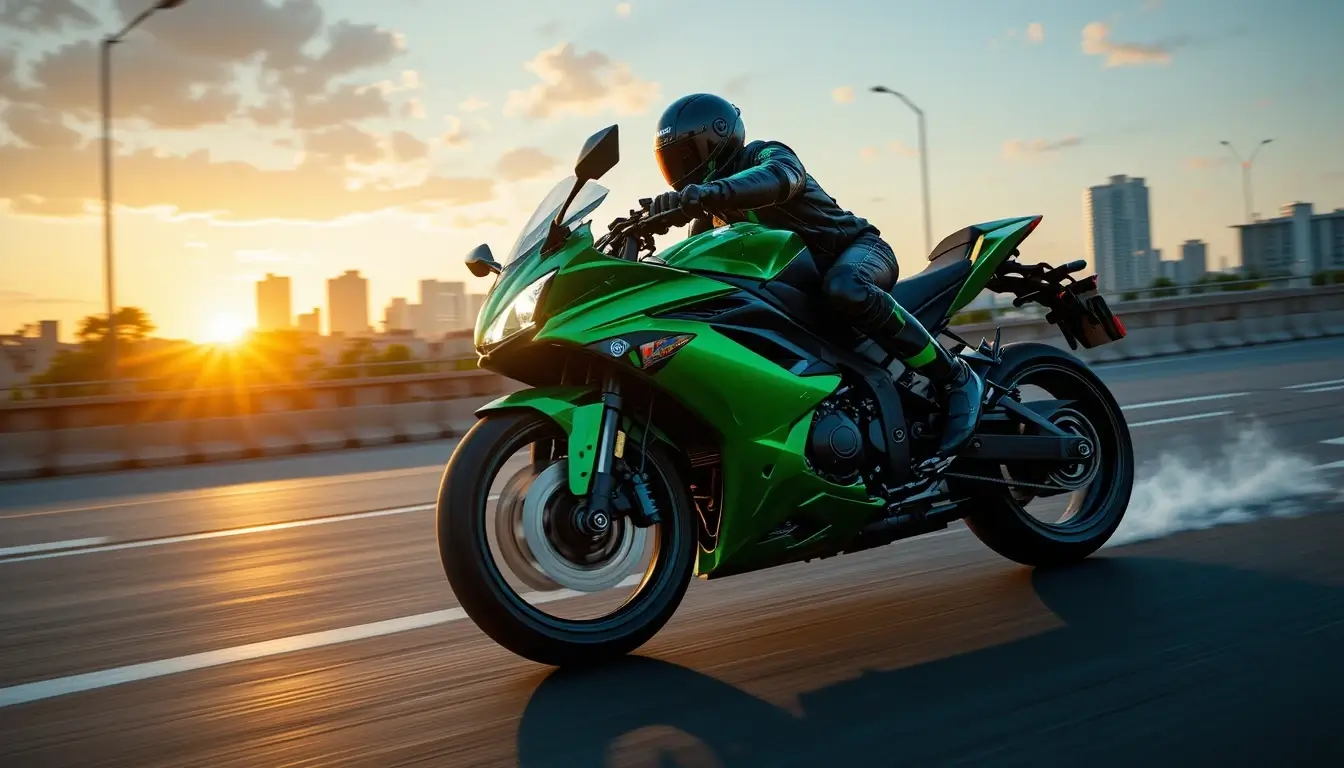
    Yamaha didn’t mess around with the Yamaha FZS Fi 2025’s design. It’s still got that tough, muscular vibe we all love, but now with some futuristic flair. The fuel tank? Sharp enough to slice through traffic—metaphorically, of course. And those LED headlights? They’re not just bright; they’re basically Instagram filters for your bike.

    Oh, and the colors? Cyber Green Metallic isn’t just a name—it’s a vibe. Pair that with the blacked-out exhaust and those diamond-cut wheels, and you’ve got a bike that’ll make parking lots feel like runways. Even your coffee stop becomes a flex.

    Engine Talk: Where the Magic Happens

    Under the hood, the FZS Fi 2025 packs a 149cc engine that’s been tweaked to perfection. Yeah, it’s air-cooled, but don’t let that fool you—this thing’s got pep. With 12.4 PS of power and torque that kicks in right when you need it, overtaking rickshaws feels like a video game.

    But here’s the kicker: the new Sport Eco mode. Sport mode? Pure adrenaline. Eco mode? Your wallet’s new best friend. Switch between them mid-ride like you’re DJing your own commute. And thanks to Yamaha’s Blue Core tech, you’re saving fuel without even trying. Win-win.

    Tech Stuff Even Your Phone Will Jealous Of

    Let’s talk gadgets. The Yamaha FZS Fi 2025 got a 4.2-inch TFT screen that’s basically a smartphone on your handlebars. Hook it up to Yamaha’s Y-Connect app, and boom—real-time mileage stats, maintenance reminders, and turn-by-turn navigation. Forget fumbling with your phone; your bike’s got your back.

    Safety-wise? Single-channel ABS and Traction Control come standard. Rainy days? Gravel roads? No sweat. This bike’s like that friend who texts, “You got this,” before a big meeting.

    Comfort? Oh, They Thought of That Too

    Ever ridden a bike that feels like a torture device after 30 minutes? Yeah, not this one. The seat’s wider and cushier, like a sofa but cooler. Handlebars are set just right—no hunching, no wrist cramps. And that suspension? Soaks up potholes like they’re trivia questions.

    At 137 kg, it’s light enough for city weaving but stable at highway speeds. Plus, 165 mm ground clearance means speed bumps are just… suggestions.

    Price Tag: Spoiler—It’s Worth It

    Let’s talk numbers. The base model starts around ₹1.4 lakh, and the fancy version with all the tech goodies? ₹1.55 lakh. Compared to the Bajaj Pulsar NS160 or Honda Hornet, the Yamaha FZS Fi 2025 feels like a steal. You’re paying for Yamaha’s rep, killer tech, and a bike that won’t ghost you at the service center.

    So, Should You Buy It?

    Short answer: Yes. Long answer: If you want a bike that’s equal parts head-turner, tech wizard, and reliable buddy, the Yamaha FZS Fi 2025 your match. It’s not just about getting from A to B—it’s about grinning the whole way.

    Drop by a Yamaha showroom. Sit on it. Rev the engine. You’ll get it.

  • Hero Karizma XMR: Reigniting the Legacy of Performance and Style

    Hero Karizma XMR: Reigniting the Legacy of Performance and Style

    Remember the Hero Karizma? That early-2000s legend was the bike every rider wanted—fast, reliable, and just cool enough to make you feel like a rockstar. Well, Hero’s finally revived the name with the Hero Karizma XMR, and it’s not just another nostalgia trip. This thing’s got modern guts, killer looks, and a price tag that’ll make you double-take. Let’s get into why this bike’s buzzing louder than a swarm of bees.

    The Karizma Comeback: Old School Meets New Cool

    So, here’s the deal. The original Hero Karizma XMR was the bike for a generation. But after years of radio silence, Hero’s back with the XMR. It’s not some lazy reboot, though. Think of it as the Hero Karizma XMR edgier sibling—the one who traded flip phones for smartphones but still knows how to shred. The DNA’s there, but everything else? Totally upgraded. Hero’s aiming for the sweet spot between retro charm and 2023 swagger, and honestly? They’re close.

    Design: Aggressive, But Not Trying Too Hard

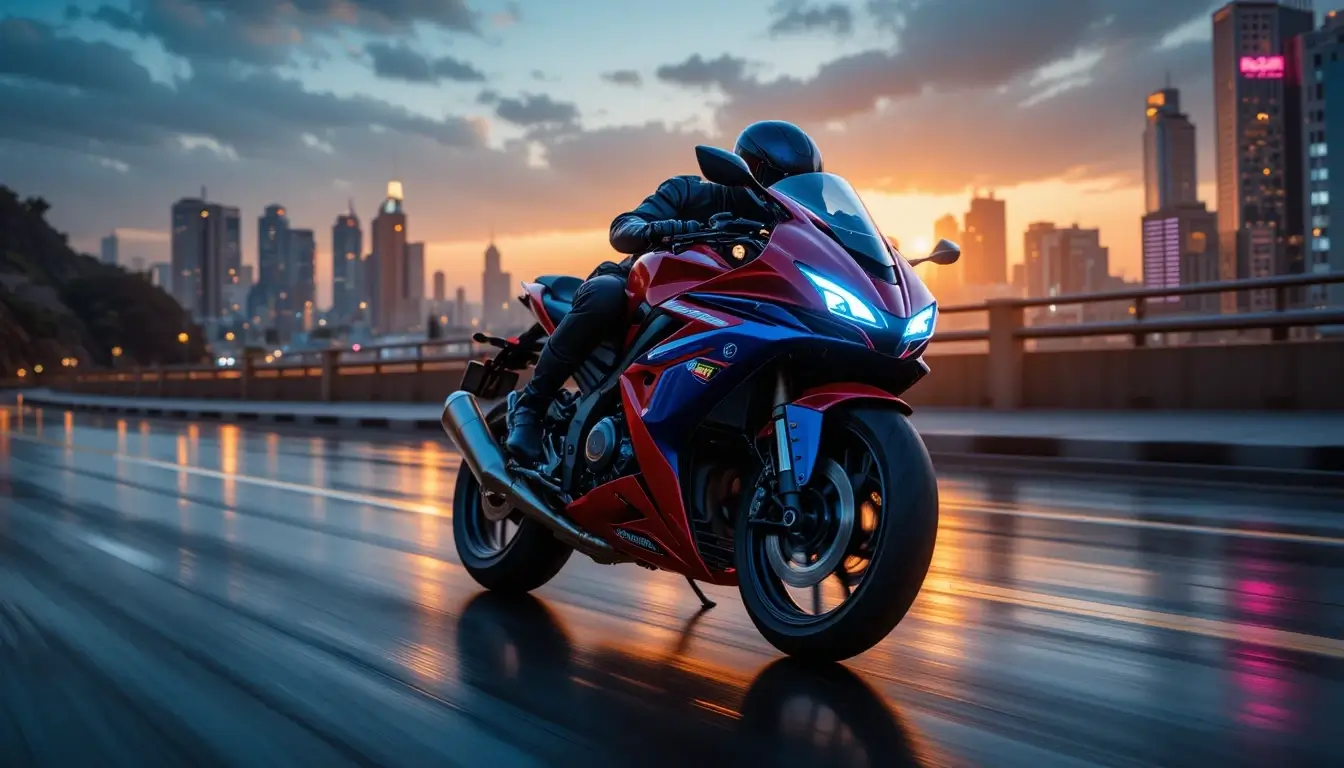
    Let’s start with the obvious: this bike looks fast. The XMR’s all sharp angles and futuristic curves, like it’s been sculpted by the wind itself. The LED headlight? It’s got these daytime running strips that glow like neon claws. And the tail section? Raised, sleek, and begging you to twist the throttle.

    Colors like Sprint Blue aren’t just paint jobs—they’re mood swings. The split seats aren’t just for show either; they’re surprisingly comfy, even on bumpy roads. Oh, and that underbelly exhaust? Pure genius. It’s low-key enough to avoid scraping speed bumps but loud enough to remind everyone you’re not riding a scooter.

    Engine Talk: Where Rubber Meets Road

    Underneath the flashy exterior lies a 210cc liquid-cooled engine (check Hero’s website—specs can shift). It’s tuned to pump out 25.5 PS and 20 Nm of torque, which basically means it’s quick off the line without feeling jittery. The 6-speed gearbox? Smooth as butter. You’ll barely notice the shifts, whether you’re crawling through traffic or blasting down an empty highway.

    And here’s the kicker: it’s quiet. Not silent, but refined. No buzzing handlebars or footpegs trying to shake loose. The liquid cooling keeps things chill even when you’re pushing it, which is great because let’s face it—summer rides in India aren’t exactly Arctic expeditions.

    Ride Feel: Sporty, But Not a Backbreaker

    Sports bikes often sacrifice comfort for speed, but the XMR dodges that bullet. Front telescopic forks and monoshock at the back are the suspension set-up that makes the ride smooth and comfortable. You will still be in contact with the road, but you will feel the road in a way, in a “I am connected to the pavement” not, in a “my kidneys have not liked that”.

    Braking’s solid too. The front disc bites hard, and Hero’s Integrated Braking System keeps things stable if you panic-stop. The riding posture? Perfect for city commutes—upright handlebars, slightly rear-set pegs. It’s sporty enough to carve corners but won’t leave you hunched over like a pretzel after an hour.

    Tech & Features: No Frills, Just Smart Add-Ons

    Hero didn’t go overboard with gadgets, but the Hero Karizma XMR got the essentials nailed. The digital dash is clean, showing speed, RPM, gear position, and even Bluetooth connectivity. Pair your phone, and you’ll get turn-by-turn navigation—handy for those weekend rides to nowhere.

    Safety-wise, LED lights make sure you’re seen, and higher variants get dual-channel ABS. Base models skip ABS, which is a bummer, but at least the brakes are solid. The seat’s low enough for shorter riders, and the whole bike feels light. Flicking through traffic? Easy. Parking in tight spots? No sweat.

    Mileage: Better Than You’d Expect

    Let’s be real—you don’t buy a sports bike for fuel efficiency. But the XMR’s no gas-guzzler. Hero claims 35-40 kmpl, and while that’s optimistic, mid-30s are doable if you ride sane. Rag it nonstop, and sure, you’ll hit petrol pumps more often. But mix city rides with highway bursts, and your wallet won’t hate you.

    Price & Rivals: Hero’s Playing to Win

    Starting around ₹1.50 lakh (ex-showroom), the Hero Karizma XMR undercuts rivals like the Yamaha R15 V4 and KTM RC 200 by a solid margin. Even the Bajaj Pulsar RS200 feels pricier. Hero’s betting big on value here—decent performance, flashy looks, and a trusted service network. Parts are cheap, and mechanics everywhere know these bikes inside-out.

    Who’s It For? Let’s Break It Down

    • New Riders: Want something sporty without the steep learning curve? This works.
    • Commute Warriors: Needs a reliable daily ride that’s fun on weekends.
    • Budget Enthusiasts: Craves performance but can’t swing a KTM’s price tag.

    The Verdict: Not Perfect, But Close Enough

    Look, the Hero Karizma XMR isn’t flawless. No ABS on base models stings, and the design might be too loud for some. But for the price? It’s a knockout. Hero’s packed in enough tech, performance, and style to make this a legit contender. It’s not trying to be a track monster—it’s a street bike that’s fun, practical, and impossible to ignore.

    If you’re torn between splurging on a premium bike or settling for something basic, the XMR splits the difference. It’s proof that Hero hasn’t forgotten its roots—they’ve just given them a shiny new polish.

  • The Future of Urban Mobility: Discover the Vespa Electric Scooter

    The Future of Urban Mobility: Discover the Vespa Electric Scooter

    Let’s be real—city life isn’t getting any easier. Traffic jams, honking cars, fumes that make your eyes water… Ugh. But what if your daily commute could actually feel… enjoyable? Enter the Vespa Electric Scooter. Yeah, you’ve heard of electric scooters before, but this? This is different.

    It’s like Vespa took their 75 years of “cool factor,” tossed in some space-age tech, and made a zero-emission ride that’s as stylish as it is practical. Buckle up (or, well, just hop on)—we’re diving into why this scooter might just change how you think about getting around.

    Vespa’s Electric Makeover: Same Swagger, Less Pollution

    Okay, let’s start with the obvious. Vespa Electric Scooter isn’t new. Your grandpa probably rocked one in the ’60s. But here’s the thing—they’re not stuck in the past. The Vespa Elettrica and Elettrica X are proof. They’ve kept all the curves and chrome that make you go “Ooh, that’s a Vespa” but ditched the gas guzzling. Think of it like your favorite leather jacket getting upgraded with solar panels. It’s still classic, just smarter. And honestly, who doesn’t want to look good while saving the planet?

    Why This Scooter Feels Like a Secret Cheat Code for Cities

    Alright, let’s talk design. You know how some electric scooters look like they were built by robots? Not this one. The Elettrica’s steel body is all smooth lines and retro vibes—like it’s straight out of a Roman holiday postcard. But peek under the seat (literally), and there’s a lithium-ion battery that’ll zip you 100 kilometers on a single charge. That’s enough for a week of errands or a joyride across town. And charging? Plug it into your regular wall outlet. Four hours later, you’re good to go. No fancy stations, no headaches.

    Oh, and the ride? Silent. Like, “Is this thing even on?” silent. No rumbling, no fumes—just you gliding past gridlocked cars. The motor’s got enough pep to hit 45 km/h, which is perfect for cities where stop-and-go traffic is the norm. Plus, the dashboard’s got this slick TFT screen that pairs with your phone. Lose your keys? The app will ping you. Need directions? It’s right there. It’s basically the iPhone of scooters.

    “But What About the Planet?”—Glad You Asked

    Here’s the deal: if you’re even thinking about buying an electric scooter, you care about emissions. And Vespa’s Elettrica doesn’t mess around. Zero tailpipe pollution. None. Zip. Nada. Compared to a gas scooter, you’re cutting CO2 big-time. And Vespa didn’t stop there—they’re using recyclable parts and cleaner factories. So yeah, you’re saving the Earth, but you’re doing it in style. No hemp sandals required.

    Daily Life with a Vespa Electric Scooter: No Drama, All Vibes

    Let’s get practical. City riding’s about two things: convenience and not losing your mind. The Elettrica nails both. Storage? There’s room under the seat for a helmet and your tote bag. Need more? Add a rear rack—it’s Vespa, they’ve got accessories for days. Maintenance? Forget oil changes or spark plugs. Electric motors are simpler, so you’ll spend less time at the shop and more time… well, not at the shop.

    And parking? Please. This thing weighs about as much as a baby grand piano (okay, 102 kg), so squeezing into tight spots is a breeze. No more circling the block while your coffee gets cold.

    Vespa vs. the “Other Guys”: Why It’s Not Even Close

    Sure, brands like NIU or Segway make decent electric scooters. But let’s be honest—they lack that “Oh wow, what is that?” factor. Vespa’s been perfecting design since Truman was president. Their scooters aren’t just vehicles; they’re conversation starters. Plus, with dealerships everywhere, you’re not stuck Googling “how to fix electric scooter error code 47” at midnight. Real people will actually help you. Revolutionary, right?

    So, Is the Vespa Electric Scooter Worth Your Cash?

    Short answer: If you want to look cool, dodge traffic, and maybe guilt-trip your gas-guzzling friends? Absolutely. Some e-scooters cost less than this one, but the extra bucks you’re putting down are for tradition, manual effort, and the cool factor from Italians. Even more, it’s like getting a designer bag as opposed to an imitation—so it’s not only more durable but it’s also more eye-catching and a real joy to carry.

    The Bottom Line: Cities Are Changing. Your Ride Should Too.

    Look, electric vehicles aren’t a trend—they’re the future. Cities are adding bike lanes, banning fossil fuels, and slapping emissions taxes on old clunkers. With the Vespa Elettrica, you’re ahead of the curve. And let’s face it: there’s something magic about breezing past traffic, wind in your hair, knowing you’re not part of the problem.

    Ready to join the revolution? Swing by a Vespa Electric Scooter dealer. Test drive one. Feel that silent acceleration and try not to grin. Spoiler: You’ll fail.