Author: admin

  • Lucid Car: The Future of Electric Luxury Vehicles

    Lucid Car: The Future of Electric Luxury Vehicles

    If you’ve been keeping an eye on the electric vehicle scene lately, chances are you’ve heard whispers—no, roars—about Lucid Motors. It’s not just another EV brand trying to ride the Tesla wave. Nah, Lucid is playing its own game—and it’s doing it pretty damn well.

    We’re talking about cars that look like they came out of a sci-fi movie, drive like a dream, and still manage to outpace most of what’s on the road. Lucid Air, their flagship model, isn’t just impressive. It’s something else. Something… elevated.

    So, What Exactly Is Lucid Motors?

    Alright, let’s rewind for a sec. Lucid Motors, originally called Atieva (weird name, right?), started off around 2007—not as a carmaker, but as a company building electric batteries. Fast forward a bit, and bam—they’re building their own EVs, and not just any EVs.

    The company is based in California, led by Peter Rawlinson, who, fun fact, was a key guy behind the Tesla Model S. That kinda gives Lucid some serious street cred. Their vision? Create the most advanced electric vehicle ever made and make sustainable transportation actually desirable.

    Bold? Sure. But have you seen the Air?

    Meet the Lucid Air: More Than Just a Pretty Face

    Here’s where things get exciting.

    The Lucid Air isn’t your average electric sedan. It’s sleek, quiet, stupid-fast, and somehow manages to be ultra-luxurious without feeling overdone. You slide into the driver’s seat and it’s like stepping into the future—but a cozy one.

    Now, let’s talk numbers—because yeah, they matter.

    This beast has an EPA-estimated range of over 500 miles on a single charge. No joke. That’s more than any other EV out there right now. Even Tesla. And it does 0 to 60 in under 2 seconds if you’re driving the Lucid Air Sapphire. That’s not a typo.

    Inside, it’s clean, modern, and just… calming. Huge touchscreen display? Check. Sustainable materials? Yep. A panoramic glass roof that makes you feel like you’re floating through space? Absolutely.

    Fast, Clean, and Seriously Efficient

    We’ve all seen fast cars. But Lucid does something wild—they make fast feel smart. Like, the kind of smart where you’re using less energy but still flying down the highway.

    Lucid uses their own drive units and battery packs (remember, they started with batteries), and they’ve figured out how to make their cars ultra-efficient. That means more miles per kilowatt-hour, which basically translates to: you can go farther, faster, and cleaner.

    And yeah, it’s fully electric. Zero emissions. You’re doing your part for the planet, and you’re looking good doing it.

    Charging: It’s Fast. Like, Really Fast.

    One thing a lot of folks worry about with EVs? Charging time.

    Lucid’s got that covered too. Thanks to a 900V electrical architecture (don’t worry about the techy name), the Lucid Air can add up to 300 miles of range in just 20 minutes on a fast charger.

    That’s basically enough time to grab coffee, scroll your feed, and boom—you’re road trip ready again.

    And if you want to go even further into the future, Lucid’s home charging station actually lets you power your house from your car. It’s called bi-directional charging. Kinda wild, right?

    What About Self-Driving?

    Lucid’s not sleeping on that either. Their DreamDrive system is packed with sensors—over 30 of them, including LiDAR (think lasers), radar, and a bunch of cameras.

    Right now, it’s more of a driver-assist system, but the hardware’s already there for full autonomy down the road. And thanks to over-the-air updates, your Lucid just keeps getting smarter. Like a phone that evolves—only it’s a car.

    Is It Better Than Tesla?

    Ah, the big question.

    It’s hard not to compare Lucid with Tesla. And in some ways, that’s fair—they’re both American, both electric, both pushing the envelope. But they’re playing different games.

    Tesla’s all about scale and tech minimalism. Lucid, though? Lucid is about refinement. About making electric luxury that feels… effortless. The materials are richer. The design’s more elegant. And that 500+ mile range? That’s next-level stuff.

    So, is Lucid better? Depends what you’re into. But one thing’s for sure—it’s no copycat.

    Lucid Gravity: The Next Big Thing

    If you’re not a sedan person, hang tight. Lucid’s got an SUV on the way—the Lucid Gravity.

    It’s bigger, roomier, and promises to bring the same kind of mind-blowing range and design the Air did. It’s aimed at folks who want space but still crave that high-end EV experience. Think Tesla Model X, Rivian R1S, and maybe even a bit of Range Rover luxury in the mix.

    Word is, it’s gonna launch soon. And when it does? Expect it to shake things up—again.Should You Buy a Lucid Car?

    If you’ve got the budget and you’re into tech, style, and sustainability, then yeah—Lucid is a seriously compelling choice. It’s not cheap, but you’re getting a lot: mind-blowing range, ridiculous performance, and a ride that feels like it came from 2030.

    And hey, it’s not just about the specs. Driving a Lucid feels different. Calmer. Smarter. Like the car just gets you.

    Final Thoughts

    Lucid Motors isn’t trying to follow anyone else’s footsteps. It’s blazing its own trail, and honestly? That’s refreshing.

    The Lucid Air isn’t perfect, but man, it’s close. It’s fast, luxurious, sustainable—and maybe most importantly—it feels like a glimpse into the kind of future we actually want to live in.

    So whether you’re an EV geek, a design lover, or just someone who’s sick of the gas pump game, Lucid’s worth a serious look.

    Who knows? The future might just be riding silently on four wheels—and wearing a Lucid badge.

  • Tata Curvv Petrol: India’s Most Stylish SUV Is Almost Here

    Tata Curvv Petrol: India’s Most Stylish SUV Is Almost Here

    There’s a new beast on the block, and it’s got people talking. The Tata Curvv Petrol —yep, the one with the coupe-like silhouette—is finally getting closer to launch. And while the electric version has been grabbing headlines, let’s not ignore the internal combustion sibling that’s quietly gearing up to take on the big players. This one’s for the petrolheads, the city slickers, and the folks who love a little thrill behind the wheel.

    Tata’s not just making another SUV. They’re making a statement. And trust me, the Curvv Petrol is shaping up to be a bold one.

    Design That Makes You Look Twice

    Let’s be real. Most SUVs on the road today? They kinda look the same. Boxy, functional, safe bets. But the Curvv Petrol? It’s got that drama. The design is sleek, bold, and honestly—pretty damn sexy. The sloping roofline gives it that coupe-like flair, something we don’t see much in this price segment.

    And while the EV version might come across a bit futuristic (in a good way), the petrol model balances it out with a more grounded front grille, proper air intakes, and a muscular stance. That LED strip running across the front? Chef’s kiss.

    Built on Tata’s Gen2 platform, this baby is made to handle ICE, hybrid, and EV powertrains. Smart move. And those sharp creases, flared arches, and connected tail-lamps just pull it all together.

    Under the Hood: A Turbocharged Punch

    Alright, let’s talk power. The Curvv Petrol is expected to come with Tata’s brand-new 1.2-litre turbo petrol engine—part of their latest TGDi (Turbocharged Gasoline Direct Injection) lineup. It’s expected to push out around 125 PS and 225 Nm of torque, which, honestly, sounds just right for Indian roads.

    It’ll likely be offered with a 6-speed manual and a 7-speed DCT. Automatic lovers, you’re not being left out. Plus, with Tata refining its NVH levels, this motor should run quieter and smoother than what we’ve seen from the brand before.

    Is it gonna be a race car? No. But will it be fun, peppy, and punchy enough for city driving and weekend trips? Absolutely.

    Interiors That Feel Fresh and Premium

    Hop inside and you’ll probably say “Whoa.” Tata seems to be going all out with the cabin on this one. Expect a twin-screen layout—a crisp infotainment screen and a fully digital instrument cluster. There’s a good chance we’ll get a 10.25-inch screen, and maybe even larger in top trims.

    They’re also bringing in premium touches: soft-touch materials, a panoramic sunroof, ventilated seats, ambient lighting, and all the jazz. And yes, wireless Android Auto and Apple CarPlay will be there. If not at launch, then surely through an OTA update.

    The layout feels clean and futuristic, but not overly minimal to the point of confusion (looking at you, some EVs). And for those wondering—boot space should be decent too. Even with that sloped roof, Tata’s not about to compromise on practicality. Probably.

    Safety First, Like Always

    It’s a Tata. So you already know the safety game is strong. While nothing’s officially confirmed yet, the Curvv Petrol is expected to come with at least 6 airbags, ESC, Hill Hold, TPMS, and more. Some trims might even offer ADAS features, which would be a first for Tata in this segment.

    Honestly, given Tata’s track record with Nexon and Punch scoring top marks in Global NCAP, it won’t be surprising if the Curvv follows the same path. Built like a tank, just with better styling.

    Expected Price and Launch Timeline

    So when can you buy it? Tata hasn’t dropped a confirmed launch date, but word on the street is that the petrol Curvv will drop in late 2024 or early 2025. The EV version might hit first, with the ICE following close behind.

    As for the price—expect it to slot somewhere between ₹11 to ₹16 lakh (ex-showroom). Which puts it smack in the middle of the midsize SUV warzone. We’re talking direct competition with:

    • Hyundai Creta
    • Kia Seltos
    • Maruti Grand Vitara
    • Toyota Hyryder
    • Skoda Kushaq
    • VW Taigun

    But here’s the thing: none of those have a coupe-like roofline, Tata safety, and a fresh turbo engine. So the Curvv might just curve its way past the competition.

    So… Is It Worth Waiting For?

    In one word: yes.

    If you’re tired of the same old designs and want something that feels new, looks premium, and doesn’t break the bank—the Tata Curvv Petrol should be on your radar. It’s sporty, stylish, well-specced, and more than likely, very competitively priced.

    It brings together what Indian car buyers love—good looks, decent mileage, punchy performance, and Tata’s no-nonsense build quality. Plus, with the DCT option, it’ll also appeal to folks who just want an effortless drive.

    In short? Tata’s not just playing the game. They’re flipping the board.

  • Volkswagen Tiguan R Line: A Sporty Spin on Everyday Luxury

    Volkswagen Tiguan R Line: A Sporty Spin on Everyday Luxury

    You know when something just feels right the moment you see it? That’s the Volkswagen Tiguan R-Line. It’s not just another compact SUV with a shiny badge. Nope—it’s the kind of car that makes you do a double-take when it passes by. Sporty. Sharp. Surprisingly premium.

    But here’s the thing: it’s not just a pretty face. The Tiguan R Line delivers that sweet balance between performance and practicality—and that’s a combo that’s kinda rare these days.

    First Impressions Matter (and the R-Line Knows It)

    So, picture this: you’re walking up to your car, and it’s the Tiguan R-Line standing there with those bold lines and aggressive styling. You feel that subtle “heck yeah” moment inside. The R-Line trim brings in its own signature look—sleek body-colored bumpers, gloss black accents, and those distinctive R-Line badges that whisper (not scream), this one’s different.

    And then there’s the wheels. You get 19-inch alloys standard, but if you’re feeling fancy, you can bump up to 20s. Either way, it just works. The SUV sits a little more confidently than the regular Tiguan, giving it a street-ready vibe that’s hard to ignore.

    Power Meets Poise Under the Hood

    Now, about what’s under that sculpted hood—Volkswagen dropped in a turbocharged 2.0-liter TSI engine. It’s punchy. You get quick throttle response and smooth power delivery, which makes city driving a breeze and highway passing, well… kind of fun.

    And let’s talk about grip. The 4MOTION all-wheel-drive system does its job quietly in the background, kicking in when you need extra traction—like during a sudden rain or a dusty weekend trail. It’s confidence, bottled.

    No, it’s not a track monster. But it handles corners way better than your typical family SUV. That slightly stiffened suspension in the R-Line? It’s doing work. You feel more in control without sacrificing comfort.

    Slide Into the Cabin—This is Where It Gets Real Nice

    Open the door, and you’re met with a cabin that feels… upscale. The R-Line interior takes the standard Tiguan R Line vibe and turns it up. Sport seats with contrast stitching, R-Line logos here and there, brushed aluminum accents—it’s classy without trying too hard.

    And let’s be honest, the steering wheel matters more than people think. The R-Line’s flat-bottomed leather-wrapped one feels great in your hands, especially with the paddle shifters at your fingertips. It kind of makes you want to drive just a little longer than you need to.

    There’s room, too. Rear seat passengers get plenty of legroom, and the back seats recline—which is underrated until you’ve got friends or family on a road trip. Oh, and the cargo space? It’s surprisingly generous. Fold down the back seats and you’ve got over 70 cubic feet to play with. Grocery runs, camping gear, strollers—you name it.

    Tech That Actually Keeps Up With You

    Volkswagen’s infotainment game has seriously leveled up. The Tiguan R-Line gets an 8-inch touchscreen by default (10-inch if you go all in), and it’s quick—like, zero lag. Apple CarPlay and Android Auto are wireless now, which is a small thing that ends up being a big deal. No more fumbling with cables.

    The Digital Cockpit is slick too. It replaces your standard gauge cluster with a fully customizable screen. Speed, nav, playlist—it’s all there, right in front of you.

    And if you’re the type that loves good sound (who isn’t?), the optional Fender audio system bumps. Like, it actually sounds like music should.

    Safety That Doesn’t Nag You to Death

    Driver assistance tech? It’s loaded. You get lane keep assist, adaptive cruise, blind spot monitoring, and automatic emergency braking. And honestly, the way VW has tuned these features—they feel supportive rather than annoying. It’s tech that keeps you safe without feeling like it’s yelling at you every five seconds.

    There’s also park assist, which can help guide you into tight spots. Trust me, even if you’re a great parker, it’s still nice to have.

    Daily Driver That Doesn’t Feel… Boring

    This is where the Tiguan R-Line really hits its stride. It manages to feel exciting on a random Tuesday, even if you’re just doing a coffee run. The throttle’s responsive, the steering feels alive, and yet—it’s smooth. Not jittery. You can drive this SUV every day and not get bored.

    Fuel economy isn’t groundbreaking, but it’s decent. Expect something like 23 MPG in the city and close to 29 on the highway. For an AWD SUV with some pep? That’s a win in my book.

    And yeah, it’s compact—but not small. It fits in city parking spots without giving up interior space. Feels like VW figured out a really smart balance here.

    How Does It Stack Up Against the Rest?

    So let’s get real. You’ve got options like the Toyota RAV4, Mazda CX-5, Honda CR-V… solid SUVs, no doubt. But the Tiguan R Line brings that European finesse. It feels tighter on the road, more polished inside, and definitely sportier on the outside.

    Where the others lean more practical, the R-Line says, “Why not both?” It’s stylish and smart. And while some rivals edge it out in sheer horsepower or fuel economy, few deliver the same level of refined fun.

    Final Thoughts: Should You Buy the Tiguan R-Line?

    If you’re tired of driving something that just gets you there, the Tiguan R-Line might be exactly what you need. It’s not trying to be the fastest. Or the flashiest. But it’s got that just-right combo of style, comfort, and pep that makes everyday driving genuinely enjoyable.

    You receive an elegant look, a turbocharged motor, top-notch options, and technology that simplifies the life. If you are traveling to work, for fun, or just taking a leisurely drive, the Tiguan R Line adapts to the style. The vehicle almost assumes the perfect medium—a car, which is at the same time energetic and also rational.

  • How to Do Online Car Insurance Renewal in India – Step-by-Step Guide

    How to Do Online Car Insurance Renewal in India – Step-by-Step Guide

    I can assure you, renewing car insurance is not that interesting. However, it is a must, unless you are a person who enjoys paying huge fines or bills for car damage (I doubt you do).

    Thankfully, these days, you don’t need to stand in long queues or call up agents who never pick up on time. You can do it all online. Yep, online car insurance renewal is now super simple, and if you’ve never done it before, don’t worry—I’ll walk you through it step by step. It’s easier than you think.

    So, What Is Online Car Insurance Renewal?

    Here, let’s dissect it first. Online car insurance renewal is the action of getting a new car insurance using the internet. No paperwork, no waiting, no being cheated by the middlemen who convince you of what you do not need.

    You visit a website (could be your current insurer’s or a comparison site), enter a few details about your car and policy, pay the premium, and boom—done. Your renewed policy lands straight in your inbox. It’s that easy.

    Why You Shouldn’t Delay That Renewal

    Here’s the deal—if your insurance policy lapses, even for a day, you’re technically driving illegally in India. That’s right, not renewing on time can get you in trouble. And more importantly, if you end up in an accident during that gap, your insurer isn’t covering a thing.

    Also, you’ll lose your No Claim Bonus (NCB), which means you’ll pay more next year. And nobody likes paying more, especially for something that could’ve been avoided in a few clicks.

    How to Do Online Car Insurance Renewal in India (The Real Way)

    Let’s walk through this like we’re sitting across the table, chai in hand.

    Step 1: Hop Onto the Right Website

    Start by visiting the website of the insurance company, you already have had a policy with. In the case of better deals, you might as well visit comparison sites such as Policybazaar, Digit, or Coverfox.. They’ll show you multiple quotes side-by-side—kind of like Amazon, but for car insurance.

    Step 2: Punch In Your Car Details

    You’ll be asked for basic info—car registration number, policy number, stuff like that. If your number is linked with your account, sometimes just your mobile number will do the trick. Make sure you double-check your car’s make, model, fuel type, and year. Little mistakes here can mess up your quote.

    Step 3: Recheck Your Coverage

    This part’s important. Don’t just blindly renew the same policy. Ask yourself: Is it giving me enough protection?

    If you’ve only got third-party insurance and you’re driving regularly (especially in Indian traffic), it might be time to upgrade to comprehensive car insurance. It’ll cover you against theft, natural disasters, and even that one pothole that comes out of nowhere.

    Also, look at add-ons like:

    • Zero Depreciation
    • Engine Protection
    • Roadside Assistance
    • Return to Invoice

    These might increase your premium a bit, but they really come through when the unexpected happens.

    Step 4: Compare What You’re Getting

    Even if you’re loyal to your current insurer, it doesn’t hurt to peek at what others are offering. Check out the IDV (Insured Declared Value), claim process reviews, garage network, and most importantly, the Claim Settlement Ratio. A low premium is great, but not if they ghost you during a claim.

    Step 5: Don’t Miss Your NCB

    This one’s a money-saver. If you haven’t made any claims in the past year, you earn a No Claim Bonus—a discount that can be up to 50% over time. Make sure it’s included in your renewed policy. If you’re switching insurers, just transfer it. Don’t lose it because you forgot to tick a box.

    Step 6: Pay and Download

    Once you’re happy with everything, just pay using UPI, card, net banking—whatever suits you. The whole thing takes maybe 5–10 minutes tops. After that, your new policy will hit your inbox instantly.

    Print it out, save a PDF, maybe even send a copy to your WhatsApp just in case. Always good to have a backup.

    What If You Forgot to Renew on Time?

    Happens to the best of us. Most insurers give you a 30-day grace period where you can renew without losing your NCB. But be warned—you don’t get any actual coverage during this grace period.

    If you miss that too, your policy’s gone. You’ll need to buy a new one, and they might insist on inspecting your car before issuing it. Plus, your premium might go up. So yeah—set a reminder next time.

    Why Online Renewal Is a No-Brainer Now

    Still on the fence? Here’s why doing it online just makes sense:

    • It’s Quick: No queues. No calls. No stress.
    • 24×7 Access: Renew on a Sunday night in your pajamas if you want.
    • You Can Compare Easily: Find better deals, more coverage, and faster service.
    • Exclusive Online Discounts: Some insurers drop prices just for buying online.
    • Instant Policy Issuance: Get your soft copy in minutes.

    And the best part? You’re in full control.

    Avoid These Rookie Mistakes While Renewing Online

    • Forgetting to update your contact details? Can cause headaches during claims.
    • Skipping NCB? You’re literally leaving money on the table.
    • Picking the cheapest policy without reading the fine print? Might bite you later.
    • Not checking add-ons? You could be missing out on valuable protection.
    • Ignoring the claim settlement ratio? Big mistake. Huge.

    Wrapping It Up

    Renewing your car insurance online isn’t just about convenience—it’s about smart money decisions and staying protected on the road. The process is smooth, the platforms are getting better every day, and honestly, once you do it once, you won’t go back.

    So the next time your policy is close to expiring, don’t wait for an agent to show up. Just grab your phone or laptop, follow these steps, and get it done in minutes.

    Stay insured. Stay safe. And keep driving worry-free.

  • How to Increase Car Mileage for Petrol in India (Without Becoming a Car Mechanic)

    How to Increase Car Mileage for Petrol in India (Without Becoming a Car Mechanic)

    Let’s be real—driving in India isn’t always a smooth ride. Between potholes, bumper-to-bumper traffic, and petrol prices that make your wallet weep, it’s no wonder most of us are constantly Googling How to Increase Car Mileage for Petrol in India.

    I mean, who doesn’t want to squeeze every last drop of efficiency from their tank?

    If you’ve ever looked at your fuel gauge dropping faster than expected and thought, “Yaar, is something wrong with my car?” — you’re not alone. The good news? You can totally improve your petrol mileage, without doing anything super technical or expensive.

    Here’s how.

    Mileage Drops? Yeah, There’s a Reason.

    First off, let’s understand why your car might be guzzling more fuel than it should.

    Indian roads aren’t exactly… kind to vehicles. You’ve got stop-and-go traffic, weirdly timed signals, random speed breakers, stray dogs, and that one biker who always thinks he’s in Fast & Furious. All of this affects how efficiently your car uses petrol.

    But it’s not just the roads. A lot of it comes down to how we drive, how we maintain our cars, and honestly—how much we know (or don’t) about what impacts mileage.

    1. Smooth Driving Wins the Race (and Saves Fuel)

    We all get impatient. Late for work? Zoom. Need to overtake? Floor it. But here’s the thing—rapid acceleration and sudden braking are mileage killers.

    Instead, try to drive steady and smooth. Let the car flow. If you’re in the city, staying between 50–60 km/h is usually the sweet spot for most petrol cars. No need to race. Unless you’re being chased by a lion (which, let’s be honest, probably won’t happen in Mumbai).

    2. Tyre Pressure: That One Thing You Keep Forgetting

    Low tyre pressure = more friction = more fuel burnt.

    Yeah, I know, checking tyre pressure sounds boring. But do it anyway. Make it a habit—like checking your phone notifications every morning. Most petrol pumps even offer free air-checking stations. Use them. Ideally, every 10–15 days.

    Oh, and always check when the tyres are cold. Hot tyres = wrong readings.

    3. Don’t Idle Like It’s 1999

    You ever see folks leaving their engine running at red lights or outside shops? Don’t be that person.

    Today’s engines don’t need that “warm up” myth from the ’90s. If you’re stopping for more than 60 seconds, just turn the engine off. You’ll not only save fuel, but also do your bit for the planet (and your pocket).

    4. The Right Engine Oil? It Actually Matters.

    It’s not just about changing oil—it’s about using the right one. The stuff your mechanic pours into your engine plays a huge role in how well your car runs.

    Low-quality or incorrect oil makes your engine struggle. And a struggling engine drinks more fuel. So next time you go for a service, don’t just say “haan bhai, jo dalna hai daal do.” Ask what they’re using. Read your owner’s manual (yes, that book in the glove box you never open). It’ll tell you what’s best.

    5. Lighten the Load, Literally

    This one’s silly simple, but people ignore it all the time.

    Your boot’s not a storage unit. Those old bottles, car cleaning kits, extra tools, even that broken umbrella from last monsoon—it’s all just extra weight.

    And yes, more weight = more fuel consumption. Also, ditch the roof rack if you’re not using it. Wind resistance is real, my friend.

    6. That AC You Love? Use It Smartly.

    Look, I get it. Indian summers are brutal. But blasting the AC all the time, especially in slow-moving traffic, actually puts extra load on your engine.

    If you’re driving under 40 km/h in city conditions, crack open the windows instead. At higher speeds though, stick to AC—open windows mess with aerodynamics and, ironically, burn more fuel.

    Balance is key.

    7. Plan Like a Desi Dad on a Road Trip

    Remember how your dad would plan routes in advance, avoid tolls, and find that one shortcut that saves 8 minutes?

    Turns out, he was onto something.

    Use Google Maps or MapMyIndia to check live traffic before heading out. Avoid peak hours. Take smoother roads. Less time in traffic means less petrol wasted. You might even discover a better route to work or college.

    8. Shift Gears Like You Mean It

    If you drive a manual, you know the temptation to stay in a low gear just to zip through city traffic. But the more your engine revs, the more fuel it consumes.

    As soon as the road opens up a bit, shift to higher gears. Let your engine breathe. But don’t be lazy either—don’t go to 5th gear while doing 20 km/h. That’s just… wrong.

    Learn to listen to your engine. It talks to you. Kinda.

    9. Stop Half-Clutching, Seriously

    This is a big one. If you keep your foot half on the clutch while driving (aka “riding the clutch”), you’re literally burning fuel for no reason and wearing out your clutch faster.

    Use the clutch when you need it. Release it completely when you don’t. That’s it.

    10. Fuel Up from the Right Places

    Not all petrol stations are honest. Sad but true.

    Try to stick to reputed fuel stations. Look for Indian Oil, HPCL, BPCL outlets that are busy (high turnover = fresh fuel). And once in a while, if your car allows, try premium fuel. It’s a bit more expensive, but some drivers claim it gives a mileage bump and keeps the engine cleaner.

    Your experience may vary, but it’s worth a shot.

    Real Talk: Mileage Is About Habits, Not Hacks

    At the end of the day, there’s no one miracle fix. It’s about small habits—how you drive, how often you maintain your car, and just being aware.

    A few kilometers per liter might not seem like much, but over a year? That’s thousands saved. And in today’s petrol-price reality, that matters.

    Also, treat your car right. It’ll treat your bank balance better.

  • Best Bike Service Center in Coimbatore: Real Care for Real Riders

    Best Bike Service Center in Coimbatore: Real Care for Real Riders

    Let’s be honest. If you ride a bike in Coimbatore, you probably rely on it more than you realize. From rushing to college in the morning, navigating that chaotic Peelamedu traffic, or making quick late-night food runs—your two-wheeler’s with you through it all. But here’s the thing: a bike is only as good as how well you take care of it. And for that? You need a service center that actually gets it.

    Not just any mechanic with a wrench and a promise. You need someone who’ll treat your bike like their own. Someone who’s skilled, trustworthy, and doesn’t ghost you after handing back your ride.

    So, if you’re hunting for the best bike service center in Coimbatore, stick around—because we’re diving deep into it. Not a boring list, but a real, honest breakdown of what matters, what doesn’t, and who’s worth your time (and money).

    Why Choosing the Right Bike Service Center Isn’t Just a “Task”

    Let’s be real—most of us don’t think much about service centers until our bike starts acting up. Maybe it’s making weird noises, or maybe it just doesn’t feel the same anymore. And that’s when panic hits. “Where do I go? Who won’t mess this up? How much is it gonna cost this time?”

    Sound familiar?

    See, bikes—especially in Coimbatore where we ride through dust, potholes, and unpredictable weather—take a beating. Regular maintenance isn’t optional. It’s a necessity. And a reliable service center? That’s your safety net. A good one keeps your engine smooth, fuel economy high, and breakdowns rare.

    A bad one? Well… you’ll be back there sooner than you’d like.

    What Makes a Bike Service Center the Best in Coimbatore?

    It’s not just about shiny tools or a swanky reception. Those things are nice—but they’re not everything. The best bike service centers check a few non-negotiables:

    • Experienced Technicians who don’t just follow manuals but actually understand machines.
    • Genuine Spare Parts that don’t wear out in a month. Yeah, no cheap knockoffs.
    • Upfront Estimates—so you don’t get hit with a bill that feels like robbery.
    • Timely Delivery, because no one has the time to keep calling every day for updates.
    • And of course, clean workspaces, which weirdly tell you a lot about how they treat your bike.

    Also, the ability to book appointments online, track your service status, and get automated reminders? That’s just smart. And the best centers in Coimbatore are already doing this.

    Real Talk: Some of Coimbatore’s Best Bike Service Centers

    Alright, let’s talk specifics. Here are some places that local riders swear by. These aren’t just picked off Google—they’re names that keep coming up in conversations, forums, and, yep, even old-school chai shop recommendations.

    TVS Bike Zone – Peelamedu

    This one’s kind of a legend in Peelamedu. They’ve got a clean, well-lit setup, solid technicians, and a reputation for not doing unnecessary upselling. People say their engine tuning and clutch work are particularly top-notch.

    Royal Enfield Service – Ramanathapuram

    If you ride a Bullet, Meteor, or any RE beauty, this is where you go. The team knows REs inside out. Plus, they don’t mess around with generic spares—everything’s brand-approved. You feel the difference when you ride out, trust me.

    Yamaha Pit Stop – Gandhipuram

    Yamaha bikes need finesse. And these folks deliver. The technicians are trained by Yamaha, and they don’t rush things. Whether it’s oil service or throttle issues, they fix it with care.

    Hero MotoCorp Service – Saibaba Colony

    Affordable. Efficient. No-nonsense. That’s Hero MotoCorp’s service spot. Perfect for commuters who want their Splendor or Passion Pro to keep running like clockwork.

    BikeZee – Multi-Brand Hub

    This one’s super popular among the digital-savvy crowd. Book your service online, they pick up your bike, fix it, and drop it back. And you get updates on WhatsApp or SMS. Cool, right? Works for Honda, Suzuki, KTM, and more.

    Why Locals Keep Going Back

    Ask around, and you’ll hear the same thing: “They don’t overcharge.” Or “They actually fixed the problem.” It’s the consistency that makes riders loyal. Coimbatore’s riding scene is pretty tight-knit. People talk. So if a service center delivers bad service, word spreads fast.

    But these top places? They’ve earned their trust.

    They also get that riders don’t always have time to hang around. So many of them offer express service windows, doorstep delivery, and even service reminders through SMS or email.

    It’s not just about bikes anymore. It’s about convenience, transparency, and care.

    So… What Should You Expect from a Great Bike Service?

    Let’s break it down. Here’s what a solid full service usually includes (and if it doesn’t, maybe go elsewhere):

    • Oil Change and Air Filter Cleaning
    • Brake pad inspection and replacement if needed
    • Chain lubrication & tightening
    • Battery check—especially crucial for scooters and EVs
    • Suspension and clutch tuning
    • A quick test ride to make sure everything feels right

    Sounds basic, but not everyone does all this. So, ask before you hand over your keys.

    Wrapping Up: Your Bike Deserves Better

    Look, your bike gets you from A to B every day. It weathers sun, rain, potholes, and mad traffic. The least we can do is give it the care it needs. And not just when something goes wrong—but before it does.

    Finding the best bike service center in Coimbatore doesn’t have to be a gamble. Stick to places with good reviews, transparent service, and skilled mechanics—and your bike will thank you. (Well, not literally, but you’ll feel it.)

    So next time you feel that rattle, or the brakes feel a little loose—don’t wait. Get it checked. Because when your ride runs smooth, everything else just feels a little easier, doesn’t it?

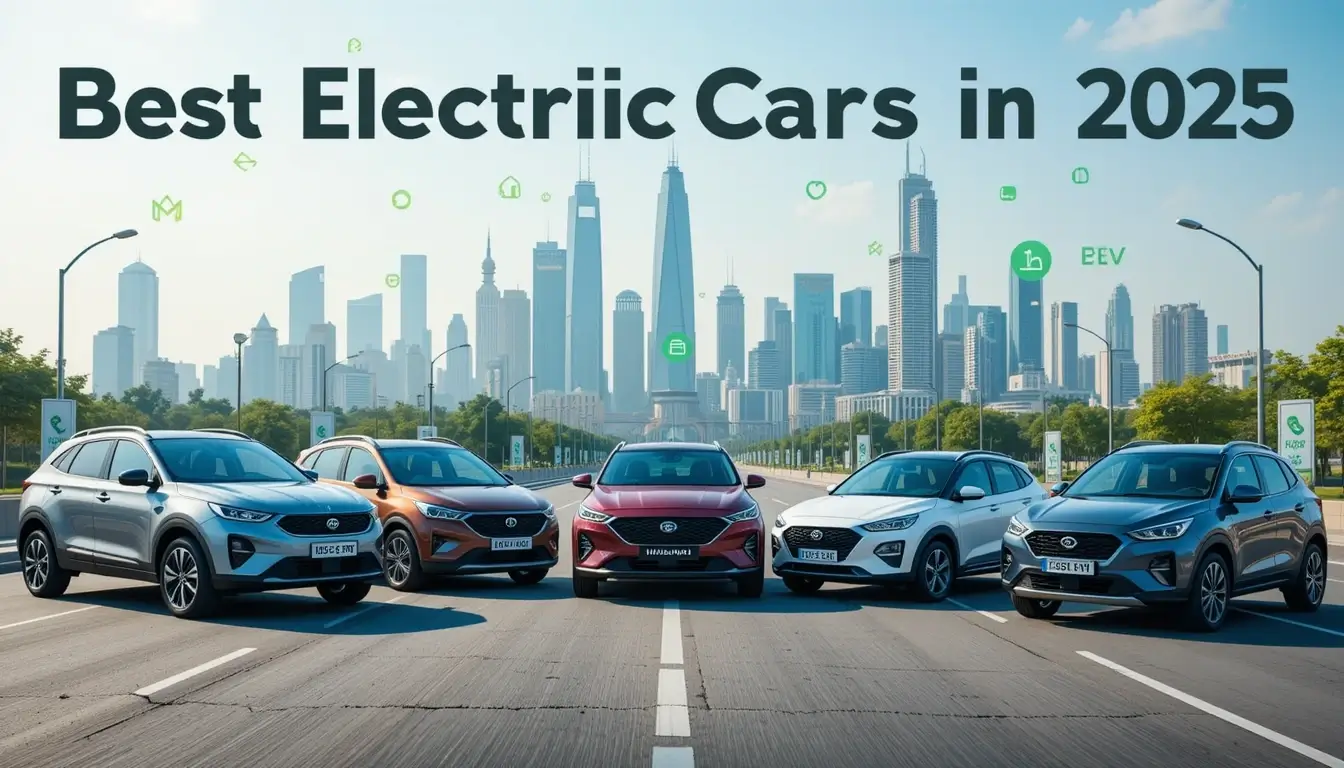
  • Best Electric Cars in India 2025: A New Era of Green Driving

    Best Electric Cars in India 2025: A New Era of Green Driving

    Let’s be honest—India’s EV scene is getting kinda wild (in a good way). Just a few years back, people were skeptical. “EVs? Too expensive. What about charging?” Yet, in the year 2025 the condition is significantly different from the previous one.

    The size of electric cars and their markets is definitely not the same. There is a vast range of options of cars from hatchbacks to premium SUVs, thus, making them more useful and practical than they were before definitely is.

    So if you’re in the market for a new ride, and you’re considering going electric? Good call. Whether you’re someone who just wants to ditch fuel bills or you’re all about the tech and torque, there’s something for you out there. This blog isn’t just another boring roundup—it’s your real-world, no-fluff guide to the best electric cars in India in 2025. Let’s dive in.

    EVs in India: No Longer a Distant Dream

    Electric cars in India have moved from “maybe someday” to “why not today?” Thanks to solid government initiatives like FAME II, GST reductions on EVs, and state-level perks, buying an electric car doesn’t feel like a luxury anymore. It feels smart. Logical even.

    Fuel prices? Sky-high. Pollution? Out of control. Cities are getting choked with smog. And let’s not forget—charging infrastructure is improving faster than we expected. Honestly, it’s a good time to be alive if you’re thinking green.

    Automakers aren’t just testing the waters anymore—they’re diving in head-first. Tata, Mahindra, Hyundai, even BYD… all pushing out next-gen EVs built specifically for Indian roads and Indian wallets.

    Tata Punch EV: Small Car, Big Impact

    If you’ve been eyeing a compact city-friendly electric SUV that doesn’t feel like a compromise, the Tata Punch EV might just be your match. It’s cute. It’s capable. And it’s packing Tata’s reliable Ziptron tech under the hood.

    The range? Around 300-350 km per charge, which honestly covers most people’s daily needs and then some. Plus, fast-charging support means you’re not sitting around forever. Interiors are neat too—big touchscreen, connected features, and safety sorted.

    Starting at under ₹12 lakh, this one punches (pun intended) way above its weight. Perfect for first-time EV buyers or anyone tired of squeezing into tight parking spots.


    Mahindra XUV400 Pro: Roomy and Ready for the Road

    Mahindra’s not here to play. The XUV400 Pro is their evolved electric SUV that’s become a family favorite in 2025. Why? It hits the sweet spot—solid range (450 km approx), roomy interiors, and a smooth drive feel. Not too flashy, but dependable.

    It’s got that sturdy Mahindra build, plus all the comforts you’d expect: touchscreen, wireless connectivity, regen braking, dual-zone climate control—you name it.

    And if you’re a long-distance traveler or a weekend warrior, this one won’t let you down. It charges quick, handles well, and just… works. Simple as that.

    Hyundai Ioniq 5: Space-Age Luxury on Wheels

    Now if you’ve got a bigger budget and you want something that turns heads and sparks conversation, say hello to the Hyundai Ioniq 5. It looks like it’s been beamed from 2050—and drives like it too.

    The real-world range is about 480 km (give or take), and it charges up in record time thanks to its 800V platform. That’s basically supercar-level EV tech.

    Inside? Oh man. Lounge-like seats. Massive screens. Level 2 ADAS. Everything feels premium, from the materials to the UI. It’s not cheap, though—expect it to sit around ₹45–50 lakh. But if you want something that’s not just a car but an experience, this might be the one.

    MG ZS EV (2025): Matured, Modern, and Mighty Practical

    The MG ZS EV has quietly become one of the most sensible choices in the Indian EV market. And the 2025 update only makes it better.

    MG’s latest model gets a bumped-up range—up to 500 km (claimed), plus more safety features, smarter tech, and a sleeker design. Think 360-degree camera, blind spot monitoring, and MG’s AI-powered voice assistant.

    Inside, it’s comfy and tech-loaded. Outside, it has the kind of road presence that makes you double-take. And with prices starting at around ₹18 lakh, it sits right in the sweet spot for most middle-class buyers looking to upgrade.

    BYD Seal: Understated Powerhouse

    Here’s the thing—BYD Seal isn’t a household name in India yet, but trust me, that’s changing. This electric sedan is powerful, posh, and packs serious tech under the hood.

    It boasts a whopping 570 km range (yes, really), insane acceleration (0–100 kmph in under 4 seconds for the top variant), and a plush, tech-savvy interior.

    Everything from the floating center console to the panoramic sunroof screams “premium.” And sure, it’s priced around ₹40–45 lakh, but it seriously holds its own against way more expensive European EVs. Underrated gem? Absolutely.

    Tata Curvv EV: The Wildcard That Might Win It All

    Tata’s been teasing this one for a while, and in 2025, it’s finally arriving: the Curvv EV. It’s fresh. It’s bold. And it’s going to shake up the EV scene.

    The coupe-SUV silhouette gives it a sporty edge, while the Gen2 EV platform promises performance and practicality in equal measure. Expect 500+ km of range, loads of connected features, digital clusters, and wireless everything.

    Tata’s clearly betting big on this one—and if it lands at the right price (likely around ₹20–22 lakh), it’s going to fly off the shelves.

    Citroën ë-C3: Keep It Simple (and Cheap)

    Last but not least, the Citroën ë-C3. This one’s not about the flash—it’s about getting from point A to B without burning a hole in your pocket or the planet.

    Range? Around 230–250 km. Price? Under ₹10 lakh. It’s built for city folks who need a reliable commuter that’s easy to charge and easier to drive.

    Yes, it’s basic. But it’s functional. The quirky French styling gives it personality, and it’s surprisingly fun to zip around in. For students, budget buyers, or small families? It’s perfect.

    So, Which EV Is Your Best Bet?

    To be honest with you: there is not a single electric car for everyone, which could be the perfect fit for your needs. It is all about your driving style and, of course, your bank account that will define your perfect EV. Though if you are a fan of quick charging, ADAS, or the brand turnover, these features can be the deal-breaker for you as well.

    If you’re in the market for an entry-level EV, the Punch EV and ë-C3 are solid. Want something more family-oriented? Look at the XUV400 or ZS EV. And if you’re a tech geek with cash to spend, the Ioniq 5 or BYD Seal might just be your dream car.

    Wrapping It Up: The EV Future is Already Here

    We’re not “waiting for EVs to go mainstream” anymore—they already are. From better batteries to government support and rapidly growing charging networks, 2025 feels like the tipping point.

    The best electric cars in India are no longer futuristic concepts—they’re parked in garages, zooming through traffic, and making fuel stations a thing of the past.

    So if you’re still wondering whether to go electric this year, let me make it easy for you: Yes. Do it. The road ahead is green, quiet, and surprisingly thrilling.

  • Oppo K13 Pro: A Budget Beast That Doesn’t Feel Budget at All

    Oppo K13 Pro: A Budget Beast That Doesn’t Feel Budget at All

    Let’s be honest—most mid-range phones in 2025 kinda look the same on paper. Big screen? Check. Decent chip? Check. Cameras with crazy megapixel counts you probably won’t use to their full potential? Double-check.

    But the Oppo K13 Pro ? It’s doing something a little different. It’s not just about ticking specs off a list — it’s about delivering a real-world experience that feels premium, even if you didn’t break the bank to get it.

    I got to spend a few days with this device, and I’ve gotta say… I was genuinely surprised. In the best way possible.

    Looks That Don’t Scream “Mid-Range”

    The first thing you’ll notice? This thing looks good. Like, flagship phone good.

    The Oppo K13 Pro has that sleek, glassy finish and slim design that makes you feel like you’re holding something way more expensive. The subtle gradient on the back? Chef’s kiss. It comes in colors like Midnight Black and Aurora Blue, and trust me, both look classy in their own way.

    Even the camera bump on the back is smooth and minimal. It’s got that “clean and mature” vibe that a lot of budget phones kinda mess up by going over the top.

    That AMOLED Screen? It’s a Vibe

    Now let’s talk about that 6.7-inch AMOLED display. It’s bright. It’s sharp. And yeah — it’s got that smooth 120Hz refresh rate, which makes everything feel buttery smooth. Scrolling, gaming, just navigating around — it’s all silky.

    Colors pop. Blacks are deep (thank you, AMOLED), and it holds up pretty well outdoors too. You’re not gonna squint your eyes trying to read a text under the sun, which is… kind of important.

    Also — in-display fingerprint sensor? Fast and reliable. No complaints there.

    Performance That Packs a Punch (Without Punching Your Wallet)

    Okay, specs time (but stick with me).

    The K13 Pro runs on the Snapdragon 7 Gen 3. Now, this isn’t some ultra-high-end chipset, but man does it perform. Paired with 8GB or 12GB RAM, this phone glides through apps, multitasking, and even gaming.

    I threw games like Genshin Impact and COD Mobile at it. Did it get a little warm after a while? Sure. But lag? Barely.

    Oh, and that UFS 3.1 storage means loading times are super quick too. No waiting around like it’s 2019.

    Cameras That Don’t Just Look Good on Paper

    Alright — we’ve all seen mid-range phones that say “50MP main camera!” and then give you photos that look like they were taken on a potato. That’s not the case here.

    The Oppo K13 Pro has a 50MP Sony IMX890 sensor (with OIS — yes, optical image stabilization). Add an 8MP ultra-wide, a 2MP macro, and a solid 16MP selfie shooter, and you’re good to go.

    Photos in daylight? Sharp, detailed, well-balanced. Night mode? Surprisingly solid — you don’t get a ton of noise, and shadows are handled nicely. That OIS definitely helps.

    Video’s decent too — 4K at 30fps, and stabilization keeps things steady even when you’re walking around shooting reels or vlogs.

    ColorOS 14 Feels… Clean?

    I’ve used a lot of custom Android skins over the years. Some are a nightmare. But ColorOS 14, which runs on Android 14, is actually quite nice.

    It’s clean, snappy, and full of neat features that don’t feel gimmicky. Stuff like Smart Sidebar, FlexDrop for multitasking, and real-time screen translation? Super useful in day-to-day life.

    And hey — Oppo promises 3 years of Android updates and 4 years of security patches, which is solid for a phone in this price bracket.

    Battery + Charging = Chef’s Kiss

    Battery life? Killer. The 5000mAh cell easily gets you through a full day — even with heavy usage. You could be streaming Spotify, binging Netflix, doomscrolling Instagram… and still have juice by bedtime.

    But here’s the part that makes me grin: 80W SUPERVOOC charging. This thing goes from 0 to 100% in around 35 minutes. That’s wild. Even if you forget to charge overnight, just plug it in while you’re getting ready and boom — full battery before breakfast.

    5G, Wi-Fi 6, and All the Good Stuff

    Of course, it’s 2025 — the K13 Pro has 5G support, Wi-Fi 6, Bluetooth 5.3, and even NFC for contactless payments.

    It also has stereo speakers with Dirac audio tuning, which actually sound pretty great for a phone in this range. Loud, clear, and great for casual Netflix binging or YouTube sessions.

    And yes — it’s got a microSD card slot. If you’re one of those people who still like expandable storage (I get it), this one’s for you.

    So, Is the Oppo K13 Pro Worth Buying?

    In one word? Absolutely.

    This is the kind of phone that makes you question why people still spend ₹50,000+ on a phone. The Oppo K13 Pro gives you nearly everything: a gorgeous AMOLED display, a reliable processor, cameras that hold up, crazy fast charging, and a software experience that doesn’t make you want to throw your phone out a window.

    It’s not perfect. No phone is. But for the price — somewhere in the ₹22,000 to ₹25,000 range — it’s genuinely hard to beat.

    If you’re someone who wants a phone that looks great, feels snappy, and doesn’t compromise on core features, the Oppo K13 Pro should be right at the top of your list.

  • Motorola Edge 60 Stylus – A Surprisingly Cool Combo of Style, Power, and Precision

    Motorola Edge 60 Stylus – A Surprisingly Cool Combo of Style, Power, and Precision

    Motorola’s been on a quiet mission lately—just consistently dropping phones that hit the sweet spot between price and performance. And their newest drop, the Motorola Edge 60 Stylus, kinda proves that they’re getting really good at it.

    It’s one of those phones you don’t expect much from at first. But the moment you hold it, flip it around, and start using that built-in stylus? Yeah, it grows on you fast. This isn’t just another mid-range Android device—it’s got that little something extra.

    That Display? Smooth as Butter

    Let’s just say it: the screen’s gorgeous. Motorola threw in a 6.7-inch pOLED display with super vibrant colors and inky blacks. You’re getting a 144Hz refresh rate, too, which makes everything—from Instagram scrolling to sketching little ideas—feel super smooth. Honestly, you don’t expect that kind of fluidity at this price point. But hey, here it is.

    And the edge-to-edge look? Chef’s kiss. It makes the phone feel way more premium than its price suggests.

    Solid Performance, No Fuss

    Under the hood, the Snapdragon 6 Gen 1 processor is doing a pretty solid job. It’s not a beast like the flagship chips, but it handles everyday stuff with ease. Multitasking? Check. Gaming? Totally fine for casual stuff like Call of Duty Mobile or Asphalt 9. And the 8GB RAM + 256GB storage combo? Honestly, it feels like enough for most people—unless you’re hoarding 4K videos or editing full-length vlogs on your phone (but let’s be real, not many are).

    Also, it runs cool. Like, you won’t feel like you’re holding a frying pan after 20 minutes of use.

    That Stylus Isn’t Just for Show

    Cool things start with these. The embedded pen is not just a meek tool—it can be a real performer. Drawing, taking notes, or just navigating the phone with better accuracy the pen makes the biggest difference.

    Furthermore, Moto included a number of shortcuts and stylus features that are exclusively available when you take the pen out. You can even write notes on the screen when it’s off. Kinda reminds you of the Galaxy Note days, but… more affordable. And a bit simpler.

    It’s a small touch, but it genuinely boosts productivity. Plus, it’s just fun to use.

    Battery Life That Actually Lasts

    Look, no one wants to charge their phone at 3 PM. Thankfully, the 5,000mAh battery here keeps going. I’ve been getting through a full day with ease—even with the screen brightness cranked up, stylus doodling, and a few YouTube binges in between work.

    And when you do run low, the 30W TurboPower charging gets you back on track quickly. Not record-breaking fast, but hey, it gets the job done without a long wait.

    Cameras That Hold Their Own

    The camera setup on the Edge 60 Stylus is actually kinda underrated. The 50MP main camera takes sharp, detailed shots. And with OIS (Optical Image Stabilization), your pics don’t turn into a blurry mess every time your hand twitches.

    There’s also a 13MP ultra-wide/macro combo lens, which is decent for landscape shots and those weirdly close-up textures we all pretend are artistic. On the front? A 32MP selfie cam that supports 4K video recording—which is pretty wild for a phone in this category.

    So no, it’s not a “camera phone” per se. But for everyday Instagram stories, Reels, and group pics? You’re covered.

    Clean Software, Just How We Like It

    Motorola sticks to a near-stock Android experience, and honestly, it’s refreshing. No bloatware. No weird skins. Just Android 14, clean and snappy.

    They’ve added some handy features like Moto Gestures—chop twice for flashlight, twist for camera—and Peek Display that shows notifications subtly when the screen’s off. It’s those little things that make daily use feel smoother.

    Also, they’ve committed to updates for a few years, which adds a bit more peace of mind if you’re planning to hang onto your phone for a while.

    Modern Perks That Make a Difference

    Of course, it’s got 5G. That’s a given now. Also supports Wi-Fi 6, Bluetooth 5.1, and even IP52 water resistance. So it’ll survive a coffee spill or some light rain—not a swim, though, so don’t push it.

    And yes, there’s dual-SIM support, which is always a win for travelers, freelancers, or those who like to keep work and personal life separate without carrying two phones.

    Final Thoughts – So, Should You Buy It?

    If you’re someone who appreciates little details—like taking notes by hand, quickly editing screenshots, or drawing ideas as they come—the Motorola Edge 60 Stylus is probably going to surprise you in a good way.

    It’s not perfect. The camera could be slightly better in low light, and the plastic frame doesn’t scream luxury. But for the price? You’re getting a lot of phone. A lot.

    To sum it up in one line: It’s not just a phone with a stylus. It’s a smart little productivity tool disguised as a mid-range phone.

    And that’s kinda what makes it special.

  • BMW 310 RR Review: Price, Mileage, Top Speed & Why It’s Worth Buying in 2025

    BMW 310 RR Review: Price, Mileage, Top Speed & Why It’s Worth Buying in 2025

    Okay, pause for a minute: What is the initial word popping in your head if you hear BMW? Probably, you think about a high-end car right? Maybe the iconic 3 Series, or the beastly M5. But guess what? BMW Motorrad has been quietly killing it in the motorcycle game too. And the BMW 310 RR ? Oh man, it’s not just some entry-level bike with a fancy badge. It’s way more than that.

    This little sportbike has carved out a unique space in the 300cc segment, and honestly, it’s turning heads for all the right reasons.

    Looks That Scream Speed (Even When Parked)

    The first time you see the BMW 310 RR in person, you kinda pause. It looks… serious. Like, race-track serious. It’s got that sharp fairing, aggressive front end, and sleek tail that gives off strong superbike vibes. BMW didn’t hold back on design here — they’ve basically shrunk down their S1000 RR DNA into a compact, street-legal rocket.

    And those paint jobs? Absolute fire. Especially the Racing Red and Style Sport options — they just pop, you know? Whether you’re at a traffic signal or pulling into a café parking lot, expect some stares.

    Under the Hood (Or… Under the Tank)

    Powering the 310 RR is a 312cc, single-cylinder, liquid-cooled engine. On paper, it makes around 34 hp and 27.3 Nm of torque. Now that may not sound earth-shattering, but hold up — this engine is tuned so well that it feels punchier than it looks on spec sheets.

    Twist the throttle, and the response is crisp. Linear power delivery means you won’t get thrown off, but oh boy, it still pulls nicely through the gears. And yep, you’ve got a 6-speed gearbox to keep things spicy. Shifting’s smooth, and it lets you really push the bike when you’re feeling a little naughty.

    Also, fun fact — this engine is co-developed with TVS, which means it’s not just refined, it’s proven. You’re getting German engineering with Indian manufacturing finesse. Not a bad combo, eh?

    How Does It Ride Though?

    In one word: confidently.

    The BMW 310 RR isn’t just fast in a straight line. It’s built to handle corners like a champ. Thanks to its tubular steel trellis frame, it’s lightweight yet stiff enough to keep things stable at high speeds. The USD front forks and rear monoshock soak up bumps pretty well, even on not-so-great roads (we’re looking at you, city potholes).

    Taking tight turns feels smooth and controlled. It leans predictably, and there’s enough ground clearance to really tip it over without scraping parts. Beginners will feel at home quickly, while experienced riders can still have loads of fun.

    Braking? Solid. With 300mm disc up front and 240mm rear, plus dual-channel ABS, you can brake late and still feel planted. The ABS kicks in gently — not too intrusive, but there when you need it.

    Tech That Actually Helps

    One of the coolest things about the 310 RR is that it’s got tech that actually matters. Like the TFT digital display — it’s full-color, easy to read, and just looks premium. You can switch between Rain and Road riding modes, which is honestly super handy.

    Rain mode tones down the throttle for more controlled riding on slippery roads. Road mode? It unleashes the beast a bit more — full power, baby.

    LED lights all around mean better visibility at night and a cleaner aesthetic. No more bulb drama. And the exhaust note? Surprisingly throaty for a single-cylinder. It’s not obnoxious, but there’s enough growl to keep things interesting.

    Comfort: Yes, You Can Daily It

    Now here’s where a lot of sportbikes mess up — comfort. But the 310 RR? It’s actually rideable on a daily basis. The seating position is sporty but not back-breaking. Footpegs are a bit rear-set, sure, but they don’t kill your knees after 30 minutes.

    The seat could be softer, yeah, but it’s decent enough for short weekend rides. Wind protection is better than you’d expect too, thanks to that windscreen up front.

    And it’s surprisingly good on fuel. You can squeeze out around 30-35 km/l, depending on how heavy your wrist is. Not bad for something this peppy.

    Price & Ownership: Is It Worth It?

    So here’s the kicker — the BMW 310 RR isn’t exactly cheap. It’s definitely pricier than some of its direct rivals like the KTM RC 390 or even the Apache RR 310 (which it shares a lot with). But… it’s a BMW. That badge means something.

    You’re not just paying for performance — you’re paying for that brand experience, the build quality, the attention to detail. Service intervals are decent, and BMW’s network in India is growing steadily. Resale? Better than most in this class.

    If you’re someone who values a premium, well-rounded experience more than just raw numbers on a spec sheet — this bike’s totally worth the price tag.

    Final Thoughts: Who Is This Bike For?

    Honestly? Pretty much anyone who wants a sporty, stylish, and well-built motorcycle that doesn’t just look good but performs across the board.

    Whether you’re:

    • A college student stepping up from a 150cc bike,
    • A working professional looking for something fun yet practical,
    • Or even a weekend warrior itching to hit the twisties…

    …the BMW 310 RR delivers. It’s fast, it’s fun, it’s premium — and it makes every ride feel a bit more special.

    So, is it perfect? Nah. But does it make you feel something every time you twist that throttle?

    Absolutely.