Category: AutoMobile

Stay updated with the latest automobile news on FlameUniversity.co.in. Get insights on new car and bike launches, upcoming vehicles, industry trends, electric vehicles (EVs), and automotive technology. Explore expert opinions, market updates, and everything happening in the automobile sector in India and beyond.

  • Maruti Alto K10 CNG : Engine Performance and Efficiency 2025

    Maruti Alto K10 CNG : Engine Performance and Efficiency 2025

    1. Overview of Maruti Alto K10 CNG

    The Maruti Alto K10 CNG is an eco-friendly alternative that combines performance with fuel efficiency. This model is designed to cater to budget-conscious buyers looking for an economical and practical vehicle.

    2. Key Specifications

    SpecificationDetails
    Engine1.0L K-Series Petrol-CNG Engine
    Power Output56.69 PS @ 5300 rpm
    Torque82.1 Nm @ 3400 rpm
    Transmission5-Speed Manual Transmission
    Fuel TypeCNG + Petrol
    Seating Capacity5 Seater
    Boot Space214 Liters

    3. Engine Performance and Efficiency

    The Alto K10 CNG is powered by the 1.0L K-Series engine, which offers a balance between power and efficiency. It ensures a smooth driving experience while maintaining optimal mileage.

    4. Mileage and Fuel Efficiency

    The Maruti Alto K10 CNG offers an impressive mileage of 32.26 km/kg on CNG, making it one of the most fuel-efficient hatchbacks in its segment. For petrol mode, it delivers approximately 24.39 km/l.

    5. Exterior Design

    • Sleek body lines with an aerodynamic design.
    • Stylish front grille with chrome finish.
    • Modern headlamps with halogen lighting.
    • Compact size ideal for city driving and parking.
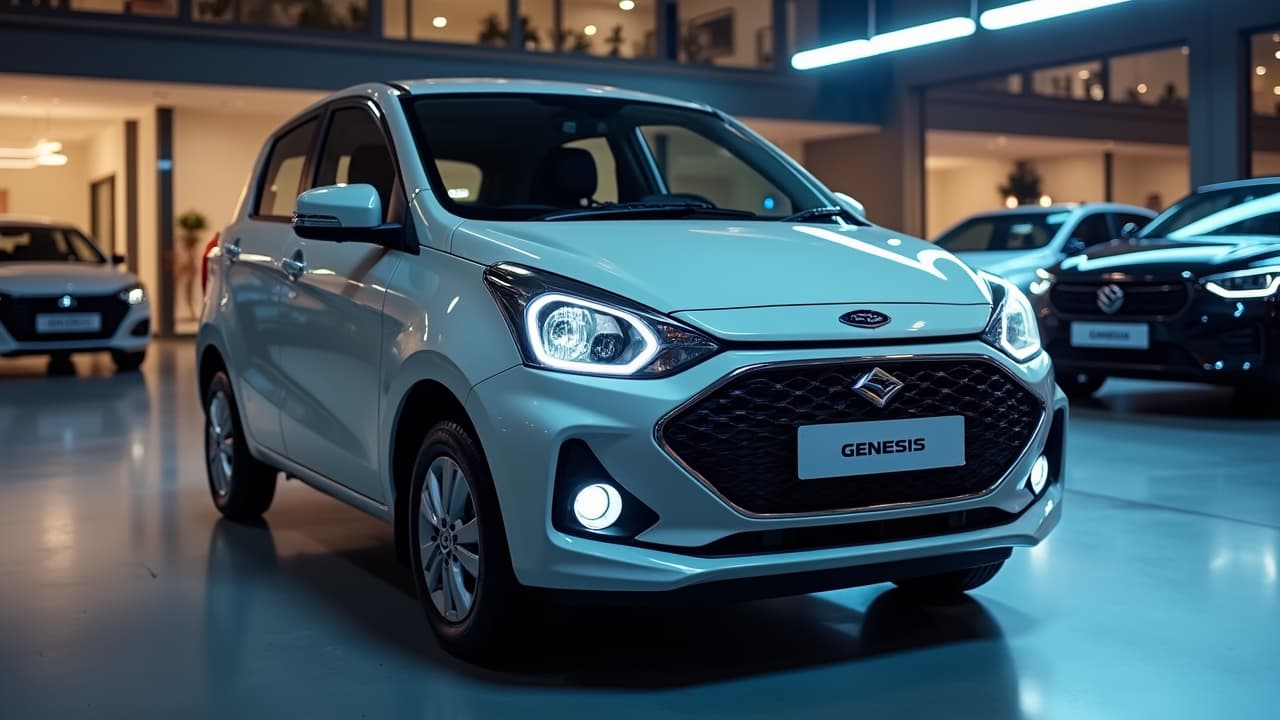
    Maruti Alto K10 CNG

    6. Interior Features and Comfort

    • Dual-tone dashboard with premium finish.
    • Spacious legroom and comfortable seating for five passengers.
    • Touchscreen infotainment system with Bluetooth connectivity.
    • Front power windows and remote keyless entry for added convenience.

    7. Safety Features

    • Dual airbags for driver and front passenger.
    • ABS (Anti-lock Braking System) with EBD.
    • Rear parking sensors for improved safety.
    • Engine immobilizer for enhanced security.

    Also Read : Tesla Model Y: The Ultimate Guide to Tesla’s Best-Selling SUV

    8. Variants and Pricing

    VariantEx-Showroom Price (Approx.)
    Alto K10 CNG LXi₹5.96 Lakh
    Alto K10 CNG VXi₹6.56 Lakh

    9. Pros and Cons

    Pros:

    ✅ Excellent mileage on CNG mode.
    ✅ Affordable pricing with low maintenance costs.
    ✅ Compact design suitable for city driving.

    Cons:

    ❌ Limited boot space due to CNG cylinder.
    ❌ Basic interior design compared to competitors.

    10. Who Should Buy the Maruti Alto K10 CNG?

    • Budget-conscious buyers looking for a fuel-efficient car.
    • Daily commuters seeking cost-effective travel solutions.
    • First-time car buyers who prioritize reliability.

    11. Comparison with Competitors

    FeatureMaruti Alto K10 CNGHyundai Santro CNGTata Tiago CNG
    Mileage (km/kg)32.26 km/kg30.48 km/kg26.49 km/kg
    Engine Power56.69 PS60 PS73.4 PS
    Boot Space214L235L205L

    12. Maintenance and Service Costs

    • Annual Service Cost: Approx. ₹3,500 – ₹4,500
    • CNG Kit Maintenance: Regular inspection every 6 months for optimal performance.

    13. On-Road Price in Major Cities

    CityOn-Road Price (Approx.)
    Delhi₹6.80 Lakh
    Mumbai₹6.95 Lakh
    Bangalore₹7.10 Lakh
    Kolkata₹6.75 Lakh

    14. EMI Calculator for Alto K10 CNG

    For a down payment of ₹1.5 Lakh and an interest rate of 9.5%, your EMI would be approximately ₹11,000 for a 5-year loan.

    15. User Reviews and Ratings

    ⭐ 4.5/5 – Known for mileage and low maintenance. ⭐ 4.3/5 – Ideal for small families and daily commuting.

    Conclusion

    The Maruti Alto K10 CNG is a perfect blend of affordability, performance, and fuel efficiency. If you’re seeking a budget-friendly car with low running costs and excellent mileage, the Alto K10 CNG is an ideal choice. Its reliability and Maruti’s trusted service network make it a smart investment for daily commuting and small family needs.

    16. Common FAQs About Maruti Alto K10 CNG

    Q1: What is the mileage of the Maruti Alto K10 CNG?

    A: It offers an impressive mileage of 32.26 km/kg in CNG mode.

    Q2: Is Alto K10 CNG good for long drives?

    A: While it’s designed for city driving, it performs well on highways with stable handling.

    Q3: What is the maintenance cost for Alto K10 CNG?

    A: Annual maintenance costs are approximately ₹3,500 – ₹4,500.

    Q4: Does the Alto K10 CNG come with a factory-fitted CNG kit?

    A: Yes, Maruti Suzuki offers a factory-fitted CNG kit with safety certifications.
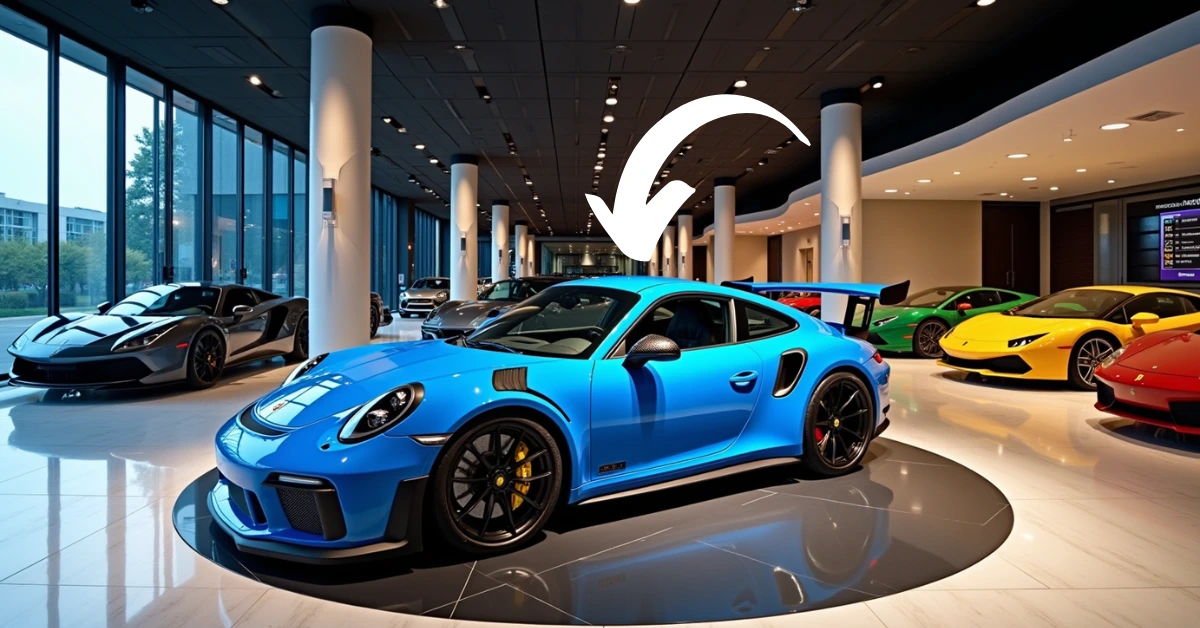
  • Porsche 911 GT3: A Masterpiece of Performance and Engineering

    Porsche 911 GT3: A Masterpiece of Performance and Engineering

    Introduction

    The Porsche 911 GT3 is one of the most iconic high-performance sports cars in the world. It embodies the perfect balance between racing technology and road-going usability. With its naturally aspirated engine, precise aerodynamics, and track-focused engineering, the 911 GT3 continues to set new benchmarks in the supercar segment.

    In this blog, we will take a deep dive into the latest Porsche 911 GT3, exploring its design, performance, features, specifications, and why it remains a dream car for enthusiasts.

    Porsche 911 GT3

    The Legacy of the Porsche 911 GT3

    The GT3 name first appeared in 1999 with the 996-generation Porsche 911 GT3. It was developed as a track-oriented version of the standard 911, offering more power, better handling, and reduced weight. Over the years, Porsche has continuously refined the GT3, incorporating advanced aerodynamics, suspension systems, and lightweight materials to enhance its performance.

    The latest 992-generation Porsche 911 GT3, launched in 2021, pushes the boundaries even further with cutting-edge technology derived directly from Porsche’s motorsport expertise.

    Design and Aerodynamics

    One of the most striking aspects of the Porsche 911 GT3 is its aerodynamic efficiency. The car features a massive swan-neck rear wing, a redesigned front splitter, and an optimized rear diffuser, all of which enhance downforce and stability at high speeds.

    • Lightweight Construction: The GT3 uses a combination of carbon fiber, aluminum, and lightweight glass to reduce overall weight.
    • Aggressive Stance: It sits lower than a standard 911, with a wide body and functional air vents to improve airflow.
    • Track-Optimized Setup: Porsche’s engineers focused on ensuring the GT3 remains stable at high speeds while offering exceptional cornering performance.

    Performance and Engine

    At the heart of the Porsche 911 GT3 is a high-revving 4.0-liter naturally aspirated flat-six engine, delivering raw power and an exhilarating driving experience.

    Tesla Model Y: The Ultimate Guide to Tesla’s Best-Selling SUV

    Key Performance Features:

    • Engine: 4.0L naturally aspirated flat-six
    • Horsepower: 502 hp (375 kW)
    • Torque: 470 Nm (346 lb-ft)
    • Transmission: 6-speed manual or 7-speed PDK (dual-clutch automatic)
    • Top Speed: 320 km/h (198 mph)
    • 0-100 km/h (0-62 mph): 3.2 seconds (PDK), 3.7 seconds (Manual)
    • Redline: 9,000 rpm

    This engine is directly derived from Porsche’s race cars, ensuring that every drive is an adrenaline-filled experience.

    Driving Experience and Handling

    The 911 GT3 is engineered to deliver exceptional driving dynamics, whether on the street or the racetrack. Some of the key highlights include:

    • Rear-Wheel Steering: Enhances agility at low speeds and stability at high speeds.
    • Double-Wishbone Front Suspension: First time in a production 911, improving cornering precision.
    • Porsche Active Suspension Management (PASM): Allows drivers to adjust damping for different road conditions.
    • Lightweight Center Lock Wheels: Reduces unsprung weight and improves handling.

    With these features, the 911 GT3 provides an engaging and precise driving experience, making it one of the best-handling cars in its class.

    Toyota Camry Hybrid: A Complete Guide to the Luxury Hybrid Sedan

    Interior and Technology

    The cabin of the Porsche 911 GT3 is a blend of luxury and racing-inspired elements.

    Interior Features:

    • Race-Inspired Cockpit: Alcantara-wrapped steering wheel, carbon-fiber bucket seats, and minimal distractions.
    • Porsche Communication Management (PCM): A 10.9-inch touchscreen with Apple CarPlay and Android Auto.
    • Track Mode Display: Displays essential track-related data for performance driving.
    • Lightweight Materials: Alcantara, carbon fiber, and aluminum trims to reduce weight and enhance sportiness.
    • Roll Cage Option: Available for track-focused enthusiasts.

    While the GT3 is built for performance, it still offers modern tech and comfort features, making it a great choice for both daily driving and spirited weekend drives.

    Specifications Table

    Here is a quick specification overview of the Porsche 911 GT3:

    FeatureSpecification
    Engine4.0L Flat-6
    Power Output502 HP
    Torque470 Nm
    Transmission6-Speed Manual / 7-Speed PDK
    0-100 km/h3.2s (PDK), 3.7s (Manual)
    Top Speed320 km/h (198 mph)
    Weight1,435 kg (PDK), 1,418 kg (Manual)
    AerodynamicsSwan-neck rear wing, aggressive diffuser
    Infotainment10.9-inch touchscreen, Apple CarPlay & Android Auto

    How the Porsche 911 GT3 Stands Out

    The Porsche 911 GT3 competes with other track-focused supercars like the Ferrari 488 Pista, Lamborghini Huracán STO, and McLaren 600LT. However, it stands out due to:

    1. Naturally Aspirated Engine – A rarity in today’s turbocharged world.
    2. Track-Derived Engineering – Components inspired by Porsche’s racing division.
    3. Daily Usability – More comfortable than most track-focused supercars.
    4. Resale Value – GT3 models tend to hold their value exceptionally well.
    5. Exceptional Handling – Porsche’s expertise in chassis tuning makes it an absolute joy to drive.

    Conclusion

    The Porsche 911 GT3 is more than just a sports car; it’s a statement of engineering excellence. Whether you’re a track enthusiast or a weekend driver, this car offers an unmatched driving experience. With its high-revving engine, race-derived aerodynamics, and precise handling, the GT3 continues to dominate the sports car world.

    If you’re looking for a car that delivers pure driving pleasure while being a worthy investment, the Porsche 911 GT3 is undoubtedly one of the best choices available.

    FAQs

    1. Is the Porsche 911 GT3 street legal?

    Yes, despite its track-focused nature, the GT3 is fully road-legal.

    2. Does the Porsche 911 GT3 have a turbocharged engine?

    No, it uses a naturally aspirated 4.0L flat-six engine.

    3. What is the difference between the GT3 and GT3 RS?

    The GT3 RS is a more extreme version with increased aerodynamics, weight reduction, and more track-focused elements.

    4. Can I daily drive a Porsche 911 GT3?

    Yes, but keep in mind its stiff suspension and track-oriented setup make it less comfortable than a regular 911.

    5. What is the price of the Porsche 911 GT3 in India?

    Prices vary, but the base price starts around $175,000 (~₹1.45 Crore INR).

  • Toyota Camry Hybrid: A Complete Guide to the Luxury Hybrid Sedan

    Toyota Camry Hybrid: A Complete Guide to the Luxury Hybrid Sedan

    Introduction

    The Toyota Camry Hybrid has been a benchmark in the hybrid sedan segment, offering a perfect blend of efficiency, luxury, and advanced technology. Toyota, known for its reliability and innovation, has packed the Camry Hybrid with premium features, a fuel-efficient powertrain, and an elegant design that appeals to both enthusiasts and everyday drivers.

    In this in-depth guide, we’ll explore the Toyota Camry Hybrid’s specifications, features, benefits, pricing, competition, pros & cons, and a final verdict to help you decide whether this is the right hybrid sedan for you.

    Toyota Camry Hybrid Specifications

    The Toyota Camry Hybrid is engineered for performance and fuel efficiency without compromising on luxury. Here’s a closer look at its specifications:

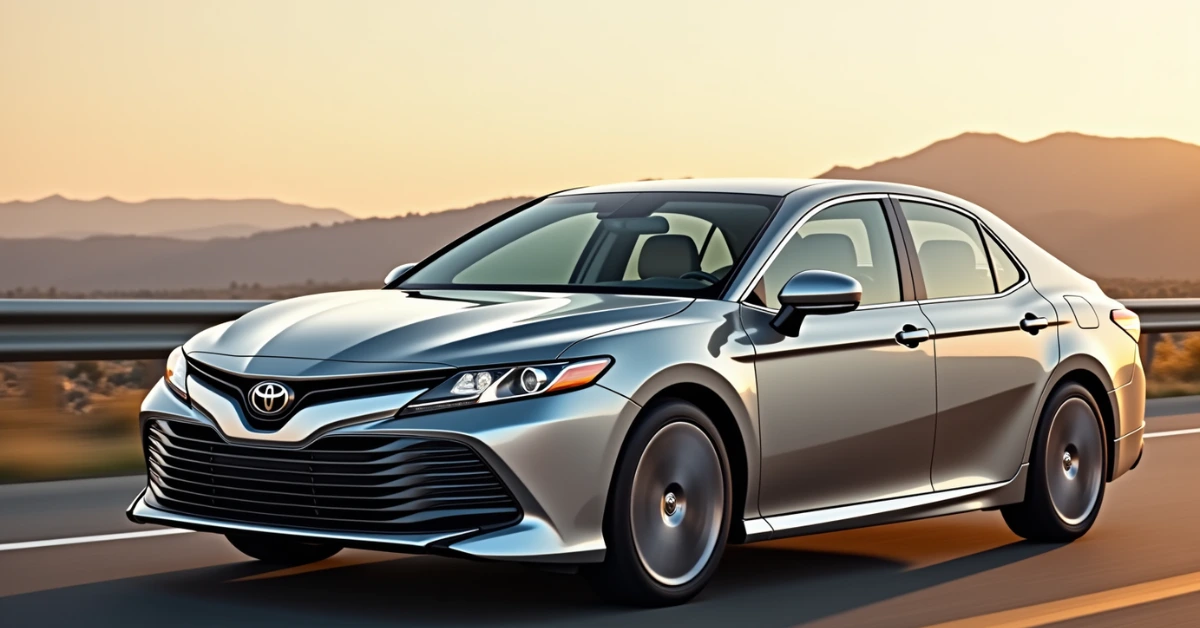
    Toyota Camry Hybrid

    Engine & Performance

    The Camry Hybrid is powered by a 2.5-liter Dynamic Force 4-cylinder engine paired with an electric motor. This combination produces a total output of 208 horsepower and offers a smooth, refined drive.

    The Electronic Continuously Variable Transmission (e-CVT) ensures seamless gear transitions, while the EV mode allows for short-distance all-electric driving, enhancing fuel efficiency.

    Quick Specification Table

    FeatureDetails
    Engine2.5L 4-cylinder hybrid
    Horsepower208 HP
    Transmissione-CVT
    Fuel Economy44-52 MPG (Combined)
    Seating Capacity5 passengers
    Infotainment9-inch touchscreen, Apple CarPlay & Android Auto
    Safety FeaturesToyota Safety Sense 2.5+
    Price Range₹25,00,000 – ₹32,00,000

    Fuel Efficiency

    One of the biggest highlights of the Toyota Camry Hybrid is its exceptional fuel economy. It offers an impressive 44-52 MPG combined, making it one of the most fuel-efficient sedans in its class.

    Genesis GV90 Electric SUV: A Game-Changer in Luxury EVs

    Exterior Design

    The Toyota Camry Hybrid boasts an elegant yet sporty design with features such as:

    • Bold front grille with chrome accents
    • LED headlights and DRLs
    • Aerodynamic body structure for improved efficiency
    • 19-inch alloy wheels (on higher trims)

    Interior & Comfort

    Inside, the Camry Hybrid exudes luxury and comfort, featuring:

    • Premium leather upholstery
    • 8-way power-adjustable driver’s seat with lumbar support
    • Dual-zone automatic climate control
    • Panoramic sunroof
    • Spacious rear seating with ample legroom

    Technology & Infotainment

    Toyota equips the Camry Hybrid with advanced tech features, including:

    • 9-inch touchscreen infotainment system
    • Apple CarPlay & Android Auto compatibility
    • JBL premium audio system
    • Wireless charging & multiple USB ports
    • Heads-up display (HUD) for better driving convenience

    Volvo XC90: A Detailed Review of Volvo’s Luxury SUV

    Safety & Driver Assistance

    Toyota’s Safety Sense 2.5+ suite ensures top-tier safety with features like:

    • Pre-Collision System with Pedestrian Detection
    • Lane Departure Alert with Steering Assist
    • Adaptive Cruise Control
    • Blind-spot monitoring with rear cross-traffic alert
    • 360-degree camera & parking sensors

    Benefits of Choosing the Toyota Camry Hybrid

    Exceptional Fuel Savings

    With its hybrid powertrain, the Camry Hybrid offers significantly lower fuel costs, making it an excellent choice for daily commuters and long-distance travelers.

    Eco-Friendly Driving

    As a hybrid vehicle, the Toyota Camry Hybrid produces fewer emissions than conventional gasoline-powered sedans, making it an environmentally responsible choice.

    Reliable & Low Maintenance

    Toyota’s legendary reliability and durability extend to the Camry Hybrid, which requires minimal maintenance compared to conventional vehicles.

    Smooth & Comfortable Ride

    The hybrid powertrain ensures quiet operation, reducing cabin noise and providing a more refined driving experience.

    Audi A4: A Perfect Blend of Luxury, Performance, and Technology

    Toyota Camry Hybrid Pricing & Variants

    The Toyota Camry Hybrid comes in multiple trim levels, each catering to different buyer preferences:

    • LE – Base model with all essential features
    • SE – Sportier design with additional features
    • XLE – Premium variant with luxury enhancements
    • XSE – Sporty and high-tech trim

    Price Range: $28,000 – $36,000 (varies by trim and location).

    Toyota Camry Hybrid vs. Competitors

    Toyota Camry Hybrid vs. Honda Accord Hybrid

    Both sedans offer excellent fuel efficiency, but the Camry Hybrid provides a more refined driving experience, while the Accord Hybrid offers slightly better rear-seat space.

    Toyota Camry Hybrid vs. Hyundai Sonata Hybrid

    The Sonata Hybrid offers similar fuel economy, but Toyota’s reliability and resale value make the Camry a better long-term investment.

    Toyota Camry Hybrid vs. Tesla Model 3

    While the Model 3 is fully electric, it lacks the long-distance convenience and affordability of the Camry Hybrid.

    Pros & Cons of Toyota Camry Hybrid

    Pros:

    ✅ Outstanding fuel economy with up to 52 MPG
    ✅ Spacious and luxurious interior
    ✅ Advanced safety features
    ✅ Toyota’s reliability and resale value
    ✅ Hybrid technology reduces carbon footprint

    Cons:

    ❌ Higher upfront cost compared to non-hybrid sedans
    ❌ Trunk space slightly reduced due to battery placement
    ❌ Not as sporty as some competitors

    Final Verdict: Is the Toyota Camry Hybrid Worth Buying?

    If you’re looking for a fuel-efficient, comfortable, and feature-packed sedan, the Toyota Camry Hybrid is an excellent choice. It combines luxury with hybrid technology, making it ideal for both city driving and long trips.

    With Toyota’s reputation for reliability, lower maintenance costs, and strong resale value, the Camry Hybrid remains a top contender in the hybrid sedan segment.

  • Bajaj Pulsar N150 : Pulsar N150 packs a 149.68cc, air-cooled, single-cylinder engine

    Bajaj Pulsar N150 : Pulsar N150 packs a 149.68cc, air-cooled, single-cylinder engine

    Bajaj has consistently set the benchmark in the commuter and performance bike segment with its Pulsar lineup. The latest addition, the Bajaj Pulsar N150, is an exciting entry that combines aggressive styling, a powerful engine, and modern features. But is it worth your money? Let’s find out!

    Design & Styling

    The Bajaj Pulsar N150 boasts a bold, muscular design that stays true to its streetfighter DNA. The aerodynamic bodywork, sharp tank shrouds, and sculpted lines make it an eye-catching machine on the road. It comes equipped with an LED projector headlamp and LED DRLs, enhancing visibility and aesthetics.

    Engine & Performance

    Under the hood, the Pulsar N150 packs a 149.68cc, air-cooled, single-cylinder engine that produces 14.5 PS of power and 13.5 Nm of torque. The refined engine delivers smooth acceleration, making it perfect for both city commutes and occasional highway rides.

    Ride & Handling

    The bike features a robust chassis, telescopic front forks, and a monoshock rear suspension, ensuring a comfortable ride over potholes and rough surfaces. The well-balanced weight distribution makes it easy to handle, even in heavy traffic.

    Features & Technology

    Bajaj has loaded the Pulsar N150 with modern features, including:

    • Fully digital instrument cluster displaying speed, fuel level, gear position, and more.
    • USB charging port for on-the-go convenience.
    • Single-channel ABS for added safety.

    Braking & Safety

    Equipped with a 240mm front disc and a 130mm rear drum brake, the Pulsar N150 ensures reliable stopping power. The single-channel ABS system prevents wheel lock-up during emergency braking.

    Mileage & Fuel Efficiency

    Bajaj claims the Pulsar N150 delivers 45-50 km/l in real-world conditions. With a 14L fuel tank, expect fewer fuel stops, making it an economical choice for daily riders.

    Also Read : Royal Enfield Hunter 350: A Game-Changer in the Cruiser Segment

    Comfort & Ergonomics

    The comfortable single-piece seat and upright riding position ensure long rides are fatigue-free. The well-padded seat makes it suitable for both the rider and pillion.

    Price & Variants

    The Bajaj Pulsar N150 is priced around ₹1.18 lakh (ex-showroom, Delhi). It comes in vibrant color options like Red, Blue, and Black, catering to different preferences.

    Competitor Comparison

    When stacked against rivals like the TVS Apache RTR 160 and Honda Unicorn, the Pulsar N150 holds its ground with a balanced mix of power, features, and affordability.

    Pros & Cons

    Pros:

    ✔ Stylish and aggressive design
    ✔ Fuel-efficient engine
    ✔ Comfortable riding ergonomics
    ✔ ABS for added safety

    Cons:

    ✘ No dual-channel ABS option
    ✘ Could have had a more powerful engine

    Who Should Buy the Bajaj Pulsar N150?

    • Daily commuters looking for a stylish and fuel-efficient bike.
    • College students who want a sporty yet practical ride.
    • First-time buyers seeking a well-rounded 150cc motorcycle.

    Ownership & Maintenance

    The Pulsar N150 is easy to maintain, with affordable service costs and widely available spare parts. Routine servicing every 3,000-5,000 km ensures optimal performance.

    User Reviews & Public Reception

    Early owners praise its smooth ride, stylish looks, and fuel efficiency. Some users, however, wish for a more powerful variant with dual-channel ABS.

    Conclusion & Final Thoughts

    The Bajaj Pulsar N150 is a well-balanced 150cc bike, perfect for daily commutes and occasional long rides. With a sporty design, refined engine, and practical features, it’s a great value-for-money motorcycle. If you’re looking for an affordable yet stylish two-wheeler, the Pulsar N150 is definitely worth considering.

    FAQs

    1. What is the top speed of Bajaj Pulsar N150?
    The Bajaj Pulsar N150 can reach a top speed of 115-120 km/h.

    2. Does the Bajaj Pulsar N150 have a slipper clutch?
    No, the Pulsar N150 does not come with a slipper clutch.

    3. What is the real mileage of the Bajaj Pulsar N150?
    Real-world mileage ranges between 45-50 km/l, depending on riding conditions.

    4. Is Bajaj Pulsar N150 good for beginners?
    Yes! It offers a balanced ride, comfortable ergonomics, and easy handling, making it a great choice for beginners.

    5. What is the service interval for the Bajaj Pulsar N150?
    Routine servicing is recommended every 3,000-5,000 km for optimal performance.

    Please don’t forget to leave a review.

  • Suzuki Burgman Street EX: A Complete Guide to Features, Price, and Performance

    Suzuki Burgman Street EX: A Complete Guide to Features, Price, and Performance

    The Suzuki Burgman Street EX is a premium 125cc scooter that offers a combination of style, comfort, and advanced technology. It stands out with its maxi-scooter design, making it an attractive choice for urban commuters looking for a more premium riding experience. But is it worth buying? Let’s find out!

    Suzuki Burgman Street EX Overview

    Launched by Suzuki Motorcycle India, the Burgman Street EX is an upgraded version of the popular Burgman Street 125. It comes with enhanced features, improved fuel efficiency, and a more refined riding experience, making it a strong competitor in the premium 125cc scooter segment.

    Suzuki Burgman Street EX Specifications

    SpecificationDetails
    Engine124cc, Air-cooled, Single-cylinder
    Power8.6 PS @ 6,500 rpm
    Torque10 Nm @ 5,500 rpm
    Mileage55-60 km/l (approx.)
    Fuel Tank Capacity5.5 liters
    Weight111 kg
    BrakesFront Disc / Rear Drum
    SuspensionTelescopic front, Swingarm rear
    Suzuki Burgman Street EX

    Key Features of Suzuki Burgman Street EX

    1. Maxi-Scooter Styling

    The Burgman Street EX features a European-style maxi-scooter design with a wide front apron, large windscreen, and comfortable seating, giving it a premium look and feel.

    2. Fuel-Efficient SEP-Alpha Engine

    Powered by Suzuki’s SEP-Alpha (Suzuki Eco Performance Alpha) technology, the scooter offers improved fuel efficiency and smooth performance, making it ideal for city commutes.

    3. Silent Start System & Auto Stop-Start

    The Burgman Street EX comes with a Silent Start System and Auto Stop-Start Technology, enhancing fuel efficiency and reducing emissions.

    4. Bigger 12-inch Rear Wheel

    Unlike the standard model, the EX variant features a larger 12-inch rear wheel, providing better stability and comfort on uneven roads.

    5. Fully Digital Instrument Cluster

    It features a fully digital LCD display, showing speed, fuel level, trip meter, and other essential ride data.

    Suzuki Burgman Street EX Price in India

    The Suzuki Burgman Street EX price varies based on the location and dealership. Here’s an estimated price range:

    • Ex-showroom Price: ₹1,14,000 (Approx.)

    (Prices may vary depending on the city and dealership offers.)

    Also Read : Volvo XC90: A Detailed Review of Volvo’s Luxury SUV

    Suzuki Burgman Street EX Pros and Cons

    Pros:

    ✔ Stylish and premium maxi-scooter design
    ✔ Excellent fuel efficiency with SEP-Alpha technology
    ✔ Comfortable and spacious seating
    ✔ Silent Start and Auto Stop-Start features
    ✔ Digital instrument cluster with modern features

    Cons:

    ✖ Higher price compared to standard 125cc scooters
    ✖ Slightly heavier than competitors
    ✖ No Bluetooth connectivity

    Is Suzuki Burgman Street EX Worth Buying?

    If you’re looking for a premium, stylish, and fuel-efficient scooter with advanced features, the Suzuki Burgman Street EX is an excellent option. It offers best-in-class comfort, a smooth riding experience, and a unique design that stands out in the 125cc segment.

    Alternatives to Suzuki Burgman Street EX

    If you’re considering other options, here are a few competitors:

    • Honda Activa 125 – Reliable but lacks a maxi-scooter design.
    • TVS Ntorq 125 – Sportier and feature-packed but less spacious.
    • Yamaha Aerox 155 – More powerful but at a higher price range.

    Final Verdict

    The Suzuki Burgman Street EX is a perfect choice for riders who want a comfortable, feature-rich, and stylish 125cc scooter. With modern technology, fuel efficiency, and a premium design, it is one of the best options for urban commuting. If you’re looking for a premium maxi-scooter experience, this is definitely worth considering!

    Frequently Asked Questions (FAQs)

    Q1: What is the top speed of Suzuki Burgman Street EX?
    A: The top speed is around 90-95 km/h.

    Q2: How much mileage does the Suzuki Burgman Street EX offer?
    A: It delivers an estimated mileage of 55-60 km/l.

    Q3: Does the Suzuki Burgman Street EX have Bluetooth connectivity?
    A: No, it does not have Bluetooth connectivity but features a digital instrument cluster.

    Q4: Is Suzuki Burgman Street EX good for long rides?
    A: Yes, its comfortable seating, larger rear wheel, and smooth engine make it suitable for longer rides compared to standard scooters.

  • Volvo XC90: A Detailed Review of Volvo’s Luxury SUV

    Volvo XC90: A Detailed Review of Volvo’s Luxury SUV

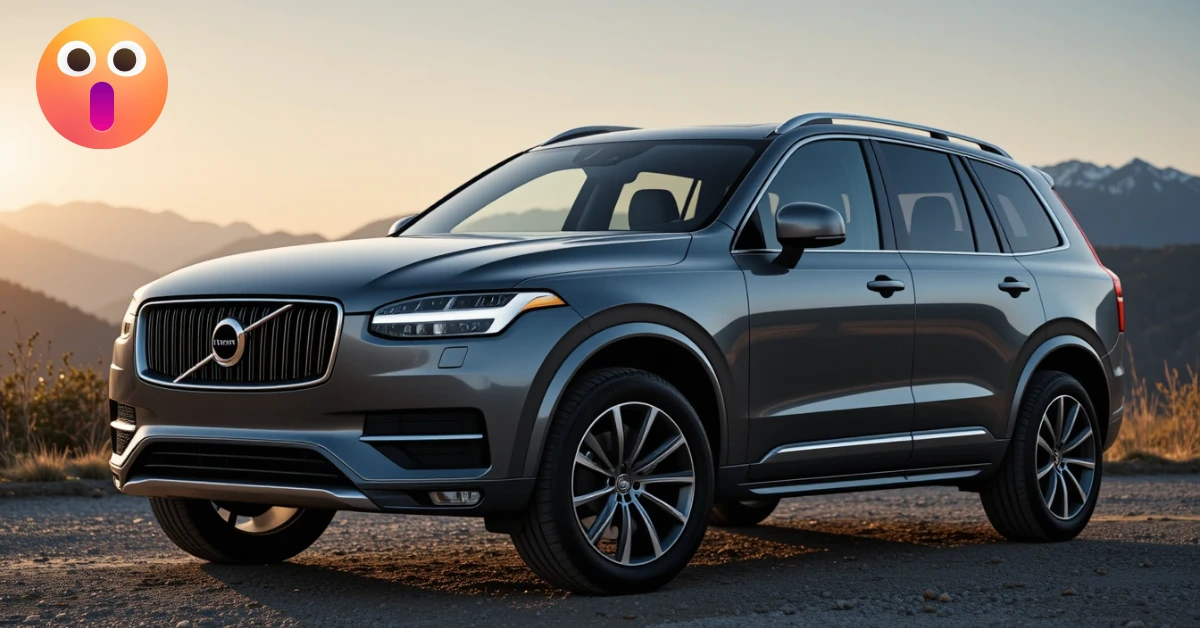
    Let’s be honest—luxury SUVs aren’t exactly rare these days. But the Volvo XC90. The XC90 prototype is the one we talked about previous time. An uncommon car that is techy and safe, yes, but also in charge of stylishness, user convenience as well as the eco-friendliness in the way it does not really come out as fancy one but as the one that is sustainable and takes care of the three main environmental aspects; a great surprise, isn’t it?

    Ever since it was launched, this show-stopper from Scandinavia has been in the news, albeit without making a lot of noise, quietly rewriting the book for premium SUVs. The integration of safety, aesthetics, and environment-friendliness reminded most people of the human touch. Two thousand kilograms of metal, what do you say to that?

    Volvo XC90 Design: Less “Look at Me!”, More “Damn, I’m Good”

    Volvo’s designers, I mean, were the ones who made “less is more” work so well with the Volvo XC90. This car’s exterior does not have any bold, bright grilles or exaggerated edges. Quizás, it es todas líneas limpias, ángulos fuertes, and the famous “Thor’s Hammer” headlight design that makes a person want to take a second look when seeing it in a parking lot.

    It follows the SUVs are the new men’s suit analogy—simple and yet with an unforgettable effect. However, the simpleness of it let the beauty remain.

    Inside? Oh, it’s a whole vibe. Imagine a Swedish spa crossed with a tech startup. Soft leather seats you’ll want to nap in (heated and cooled, because why not?), real wood trim that’s actually sustainably sourced, and a dashboard so minimalist you’ll wonder where all the buttons went.

    (Hint: They’re buried in the touchscreen, which we’ll get to later.) And yeah, it seats seven—though let’s be real, the third row is best for kids or adults you lightly dislike.

    Performance: Silent But Deadly (In a Good Way)

    Under the hood, the Volvo XC90 mileage plays it cool. The base engine’s a peppy 2.0-liter turbocharged four-cylinder with mild hybrid guts. Translation? It’s zippy enough for city driving and doesn’t guzzle gas like it’s competing in a frat-house keg stand.

    But here’s the thing—Volvo’s plug-in hybrid Recharge T8 model? That’s where the magic happens. We’re talking 455 horsepower that’ll push you back in your seat like a rollercoaster, plus 32 miles of all-electric range for those “I’m saving the planet” grocery runs.

    And the ride? Smoother than a jazz playlist. The optional air suspension eats potholes for breakfast, and the steering’s so responsive it feels like the car’s reading your mind. (Don’t worry, it’s not. Probably.)

    Safety: Because Volvo’s Still the Overprotective Parent We All Need

    If safety features were a dating profile, the Volvo XC90’s would be obviously intended by Volvo with “long walks on the beach” and “emergency brake assists.” Volvo is pretty much the creator of the three-point seatbelt, so you can see they are far from kidding.

    Among these features, the common ones are advanced emergency braking in case you are about to hit the car in front of you, lane-keeping technology that guides you back gently like a polite yoga instructor, and a feature that actually senses if you are on the verge of steering into the opposite lane. (hint: It holds you back.)

    One thing, in particular, is my favorite peculiarity. “Run-off Road Mitigation,” literally translated: If you are driving on the highway and fall asleep and your car is about to move to the side, the XC90 will not only protect you from the side crash but it will also prepare the seat belt, the brakes and give the best effort to keep you on the road. It’s like having someone who can keep you on track and, at the same time, is a ninja and a psychologist.

    Tech: Siri and Alexa’s Fancier Cousin

    Okay, let’s talk tech. The XC90’s 9-inch vertical touchscreen is the brain of the car, and it’s running Google’s Android Automotive OS. No, that doesn’t mean it’s covered in stickers. It means you’ve got Google Maps, Google Assistant, and a zillion apps baked right in—no phone required. “Hey Google, find me a vegan taco spot” works like a charm, though I’ll admit yelling at my dashboard still feels weird.

    There’s also a 12.3-inch digital gauge cluster that shows everything from your speed to a minimalist navigation map. And if you splurge for the Bowers & Wilkins sound system? Let’s just say you’ll start planning road trips just to hear your playlist on 19 speakers.

    Eco-Friendly Cred: For When You Want to Save the Planet (But Not Your Wallet)

    Volvo’s aiming to go fully electric by 2030, and the Volvo XC90 Recharge is their not-so-subtle flex. The plug-in hybrid lets you cruise gas-free for short trips, and even the regular models use recycled plastics in places you’d never notice (floor mats, anyone?). It’s not exactly a Tesla, but for a three-row SUV, it’s shockingly guilt-free.

    Oh, and fun fact: Volvo tracks the carbon footprint of every XC90 from factory to scrap yard. Try getting Mercedes to do that.

    The Bottom Line: Who’s This Car For?

    The Volvo XC90 isn’t for the “look how big my paycheck is” crowd. It’s for the person who wants a car that looks good but doesn’t shout for attention. For parents who need space for soccer gear but refuse to drive a minivan. For anyone who thinks “luxury” should mean “smart,” not “flashy.”

    Is it perfect? Nah. The touchscreen’s a fingerprint magnet, and the third row’s tighter than airport coach seats. But here’s the kicker: When you’re driving an Volvo XC90, you’re not just buying a car. You’re buying into Volvo’s decades of safety obsession, their quiet Scandinavian confidence, and the feeling that maybe—just maybe—you’re adulting right.

    Final Thought – Volvo XC90

    If SUVs were IKEA furniture, the Volvo XC90 price would be that sleek, slightly pricey bookshelf you brag about for years. It works harder than it looks, lasts forever, and somehow makes you feel like a better person just for owning it. And really, what more could you want?

  • Honda Activa 7G: The Next-Gen Scooter Revolutionizing Commuting

    Honda Activa 7G: The Next-Gen Scooter Revolutionizing Commuting

    Let’s face it—navigating city traffic in India can feel like playing a real-life game of Frogger. What about if you could your ride could chaos a little less… chaotic? Enter the Honda Activa 7G, the latest in a line of scooters that’s been ruling the roost for over two decades.

    Now, I’ll be honest: scooters aren’t exactly known for setting pulses racing. But stick with me here, because the 7G? It’s got some tricks up its sleeve that might just make you rethink what a daily commuter can be.

    Looks That Grow on You (and Turn Heads Too)

    First thing first. The Honda Activa 7G is not looking for a flashy sports bike, and it is okay with that as well. What it does have is a design that’s sleek without trying too hard. The sharp lines and chrome bits give it a polished vibe, while the LED headlamp—yeah, the one with those daytime running lights—adds a modern twist.

    Honestly, it’s a looker in that “I’m here to work, but I’ll party if needed” kind of way. And can we talk about the colors? Rebel Red Metallic sounds like something out of a superhero flick, and Matte Axis Grey is just cool.

    The seat? Wide enough for you and your backpack-toting sidekick. Oh, and that external fuel lid? A small touch, but man, it’s a game-changer when you’re rushing to refuel without fiddling under the seat.

    Engine Talk: Not a Beast, But a Reliable Workhorse

    Under the hood—or rather, under the floorboard—you’ve got Honda’s 110cc HET engine. Now, 7.68 BHP might not sound like much on paper, but here’s the thing: this scooter isn’t built for drag races. It’s built to weave through traffic like a pro while sipping fuel like it’s on a diet.

    Honda claims 60 kmpl, and while your mileage may vary (pun intended), let’s just say you won’t be hugging petrol pumps too often.

    The ride? Smooth as butter. The V-Matic transmission means no jerky gear shifts—just twist and go. And that silent start? It’s almost eerie how quiet it is. No more waking up the neighborhood when you leave for work at 6 AM.

    Features You’ll Actually Use (No Gimmicks Here)

    Let’s be real: we’re all guilty of ignoring half the “features” brands slap onto products. But the Honda Activa 7G extras? They’re weirdly practical. Take the digital-analog console. It’s not exactly a Tesla screen, but it shows what you need: speed, fuel, and a handy reminder for when your next service is due.

    Then there’s the USB port. Yeah, it’s tucked under the seat, which isn’t perfect, but hey—it’s there when your phone’s dying mid-ride. And the idle stop system? Automatically kills the engine at red lights. At first, I thought it’d be annoying, but it grows on you. Plus, your fuel tank will thank you.

    Comfort: Because Your Backside Deserves Better

    Ever ridden a scooter that feels like a wooden bench after 20 minutes? The Honda Activa 7G seat is the opposite. It’s cushioned just right—firm enough for support but soft enough to handle pothole-ridden roads. The floorboard’s flat, so you can even haul that oversized Amazon package without awkwardly balancing it on your knees.

    Ground clearance? 180mm. Translation: speed bumps? Potholes? No biggie. And at 108 kg, it’s light enough for newbies to handle but solid enough to feel stable.

    Safety Stuff You’ll Gladly Nerfherder Ignore (But Shouldn’t)

    Look, safety features aren’t sexy, but the 7G’s combi-brake system (CBS) is low-key brilliant. Squeeze the rear brake, and the front one chips in too, stopping you faster without skidding. The telescopic suspension? Makes bumps feel less like mini earthquakes.

    And drum brakes? Yeah, they’re old-school, but they get the job done without the maintenance fuss of discs.

    Variants: Because Choices Are Good

    You’ve got two flavors: Standard and DLX. The DLX throws in an anti-theft alarm (peace of mind for parking in shady spots) and a snazzier silent start. Colors range from “look at me” gold to “stealth mode” matte silver. Personally, I’m team Rebel Red—because why blend in?

    Why It’s Still King of the Hill

    Let’s not beat around the bush: the Activa 7G isn’t the cheapest or the fastest scooter out there. But here’s the kicker—it’s Honda. The brand’s reputation for reliability is almost legendary.

    I’ve lost count of how many 10-year-old Activas I’ve seen still chugging along. Resale value? Stellar. Service network? There’s probably a Honda mechanic within spitting distance of your home.

    Competitors like the Suzuki Access 125 might offer more power, but they can’t match the 7G’s fuel efficiency. The TVS Jupiter? Solid, but it lacks that Honda badge magic.

    Wrapping It Up: Should You Buy One?

    So, what’s the bottom line? If you want a scooter that’s like that one friend who’s always punctual, never drama, and occasionally surprises you with their coolness? The Honda Activa 7G your pick. It’s not perfect—the storage could be bigger, and a disc brake option would’ve been nice—but for daily city grind? It’s a no-brainer.

    Whether you’re a college student, a office-goer, or someone just tired of squeezing into autos, the 7G slots into your life like it’s always belonged there. And hey, with fuel honda activa 7g on road price these days, that 60 kmpl figure isn’t just a number—it’s a survival tactic.

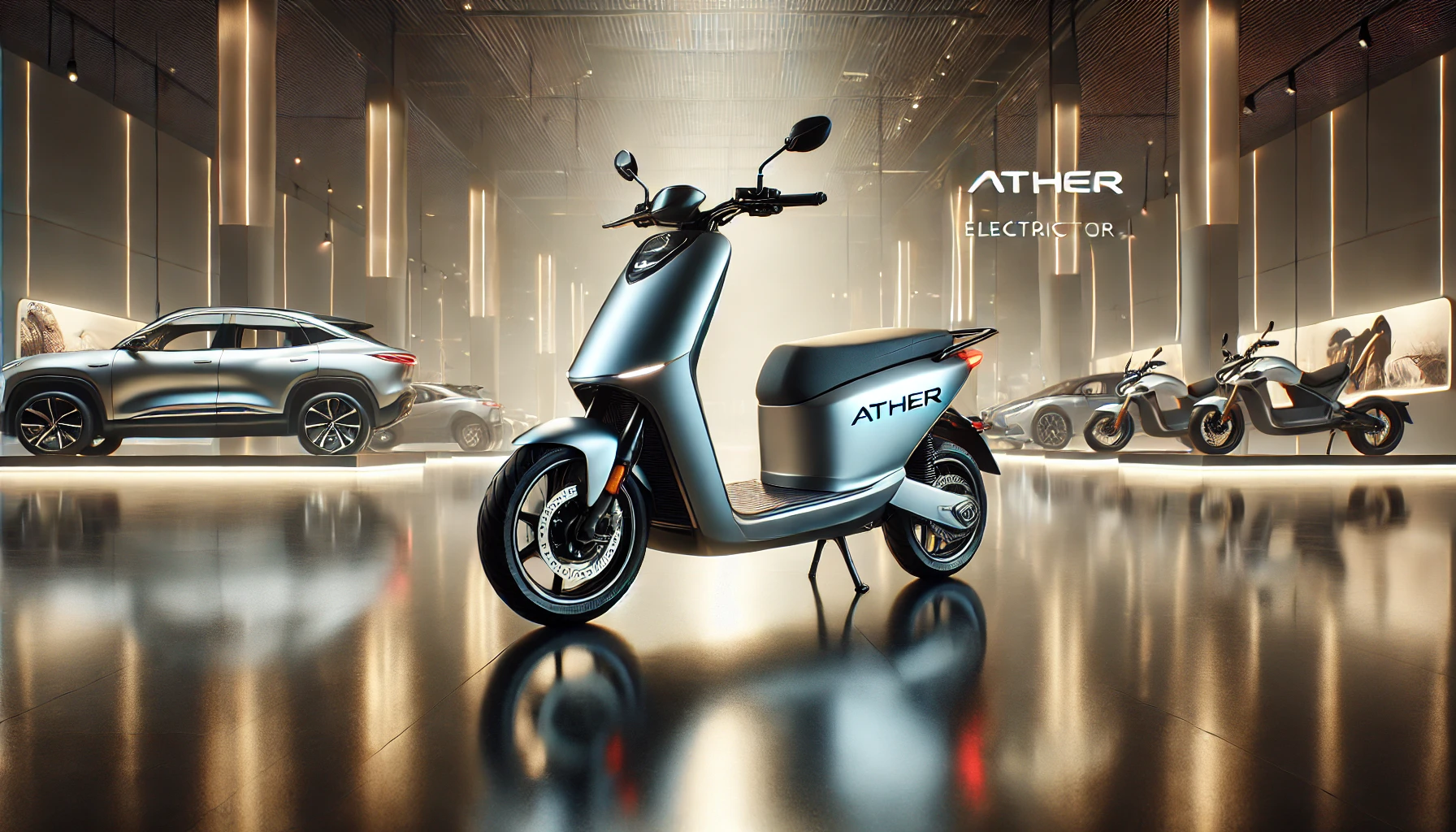
  • Ather Rizta EV 2025: The Future of Electric Scooters

    Ather Rizta EV 2025: The Future of Electric Scooters

    Ever been stuck in traffic, watching your fuel gauge drop, and thought, “There’s gotta be a better way”? Well, buckle up—or rather, helmet on—because Ather Energy’s latest electric scooter, the Ather Rizta EV 2025, is here to shake up your daily grind.

    Built for families, city commuters, and anyone tired of petrol prices, this isn’t just another EV. It’s a smart, cheeky sidekick for modern life. Let’s dive into what makes it tick—and why you might just ditch your old ride for this one.

    Design: Think “Minivan Meets Spaceship”

    Let’s be real: most scooters either look like they belong in a sci-fi flick or your grandma’s garage. The Ather Rizta EV 2025? It nails the sweet spot. The design is attractive, but it isn’t the kind of show-your-look-off style—think of that friend who’s always in fashion, not ostentatiously though. What about the seat?

    Roomy enough for your grocery haul but also stuffed enough for a 30-minute school run. And that under-seat storage? Ather claims it fits two helmets. I’d say it’s more like “finally, no more playing Tetris with your stuff.”

    But here’s the kicker: it’s actually built for real life. The handlebars adjust for different heights (goodbye, hunchback posture), and the floorboard is flat enough to toss a backpack on. Oh, and those LED lights? They’re not just for show. Try riding through a dimly lit alley, and you’ll feel like you’ve got your own spotlight.

    Performance: Zip, Zoom, and Zero Guilt

    Underneath that polished exterior lies a beast—or, well, a polite beast. The Ather Rizta EV 2025 new lithium-ion battery promises 150 km on a single charge. That’s enough to loop from Mumbai’s Bandra to South Bombay twice without sweating. And if you’re thinking, “But what about hills?!”—the PMS motor handles inclines like a champ. No more pathetic whining up flyovers.

    Range anxiety? Ather’s got your back. Their HyperCharge stations can juice up the battery to 80% in under an hour—grab a coffee, scroll Instagram, and you’re golden. At home, plug it in overnight, and boom, you’re set. Plus, regenerative braking squeezes every last drop of energy from your rides. Think of it as the scooter version of licking the yogurt lid clean.

    Tech Stuff: It’s Basically a Smartphone on Wheels

    Okay, maybe that’s exaggerating. But the Ather Rizta EV 2025 7-inch DeepView Display is smoother than your smartphone. Swipe through maps, check battery stats, or blast music—all while pretending you’re in a Tesla. The Smart Connect system even lets you yell, “Hey Ather, find the nearest ice cream shop!” while riding. (Safety first, though—maybe pull over first?)

    And here’s where it gets really cool. The scooter learns. Over-the-air updates mean new features pop up like surprise gifts. Remember when your phone suddenly got emoji reactions? Imagine your EV unlocking hidden modes. Oh, and parents, you’ll love this: the app lets you set speed limits for teens. Consider it a digital leash for your overenthusiastic kid.

    Safety: Because Life’s Chaotic Enough

    Ather didn’t skimp here. The Rizta’s built like a tank (a very chic tank) with a frame that laughs at potholes. Dual-channel ABS? Check. Traction control for monsoon slip-n-slides? Double-check. And that IP67 rating means you could ride through a flood—though maybe don’t test that.

    But the real MVP is Ather Assist. If you take a tumble, it auto-sends your location to emergency contacts. Perfect for clumsy riders or “I meant to do that” daredevils. And with keyless ignition, losing your keys is now a 2024 problem.

    Eco-Friendly? Heck Yes. (Your Kids Will Thank You Later)

    Let’s face it: we’re all guilt-tripped into being greener. The Ather Rizta EV 2025 makes it easy. The battery lasts a decade, and when it finally quits, Ather recycles it—no shady landfill deals. Even the body uses recycled materials. Ride this, and Mother Nature might just send you a thank-you note.

    Price Tag: Less “Ouch” Than You’d Think

    Rumors say ather rizta price on-road between ₹1.3–1.5 lakh. Yeah, that’s not pocket change, but compare it to petrol scooters guzzling ₹100/day. Do the math—it pays for itself in a year or two. Plus, government subsidies under FAME II could shave off another chunk. That’s right—you could be zipping around town for the ather rizta price of a fancy smartphone plan.

    Pre-orders start early 2025, with deliveries in metros first. Ather’s even throwing in free doorstep service for the first year. Translation: no more waiting at sketchy repair shops.

    Why This Scooter’s a Big Deal

    In a world of “meh” EVs, the Rizta feels like it’s actually listening. Need space for kids and groceries? Done. Worried about safety? Sorted. Want tech that doesn’t make you want to throw the manual out the window? Nailed it. It’s the Swiss Army knife of scooters—minus the weird toothpick tool.

    Final Word: Time to Join the Electric Party

    Look, switching to ather rizta electric scooter can feel like a leap. But with the Ather Rizta EV 2025, Ather’s basically holding your hand the whole way. It’s practical, packed with tech, and honestly? Kind of fun. Whether you’re a harried parent, a daily commuter, or just someone who hates petrol stations, this scooter’s worth a peek.

    2025 might feel ages away, but trust me—this is one future upgrade you won’t regret. Now, who’s ready to ride?

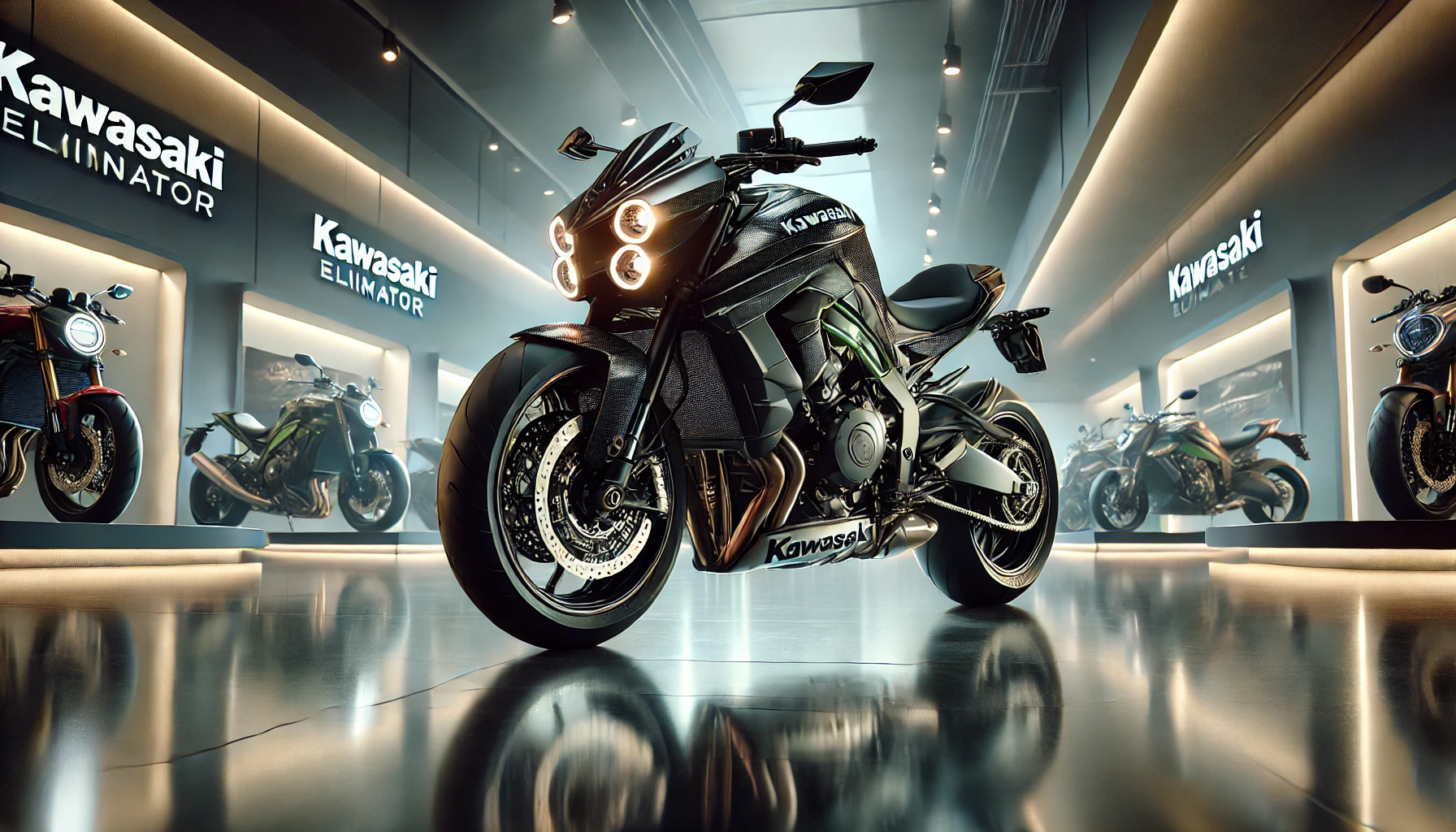
  • Kawasaki Eliminator 2025: The Ultimate Cruiser for Modern Riders

    Kawasaki Eliminator 2025: The Ultimate Cruiser for Modern Riders

    Let’s be honest—motorcycles aren’t just machines. They’re mood rings on two wheels, extensions of our personalities, and sometimes, our therapists. And Kawasaki’s latest offering, the Kawasaki Eliminator 2025, gets that. It’s not trying to reinvent the wheel (pun intended), but it’s definitely tossing the cruiser rulebook out the window. If you’ve ever craved a bike that’s equal parts retro cool and sci-fi swagger, stick around. This thing’s got stories to tell.

    Design: Looks Like It’s Doing 100 MPH… Even Standing Still

    First off, let’s talk looks. The Kawasaki Eliminator 2025 is the kind of bike that’ll make your neighbor’s head swivel as you idle past. Kawasaki nailed that “modern vintage” vibe—think low-slung, mean, and minimalist, but with a dash of Blade Runner.

    The fuel tank’s got these sharp, angular lines that scream speed, while the LED headlight? It’s like a cyborg eye, glowing even in broad daylight. And those color options? The matte black with electric blue accents is pure stealth mode, but the chrome edition? Straight-up nostalgia bait for anyone who misses the ’80s.

    But here’s the kicker: it’s not all about looks. That steel trellis frame isn’t just pretty—it’s light. Like, “wait, did I just flick this thing through traffic with my pinky?” light. And those cast aluminum wheels? They’re not just for show. Less weight means better handling, which matters when you’re dodging potholes or carving up a mountain road.

    Engine: Smooth Operator with a Wild Side

    Under the hood—er, seat—lurks Kawasaki’s updated 451cc parallel-twin engine. Now, parallel twins aren’t new, but this one’s been tweaked to near-perfection. It’s got this dual throttle valve system that basically reads your mind.

    Want to cruise at 40 mph sipping fuel like it’s a mimosa? Done. Suddenly need to gun it because your buddy’s Honda Rebel is tailing you? Oh, it’ll gun it. You’re looking at 48 horsepower and 32 lb-ft of torque, which, in human terms, means it’s got enough grunt to make highway merges feel effortless but won’t terrify newbies.

    Tech: Because Even Rebels Need Gadgets

    Alright, let’s geek out for a sec. The Eliminator 2025 isn’t some analog relic—it’s packed with tech that’d make a Tesla driver jealous. The 4.3-inch TFT display is your new best friend. It’s bright, intuitive, and connects to your phone via Kawasaki’s Rideology app. Translation: You can check your bike’s vitals, plan routes, or even shame yourself for skipping an oil change—all from your handlebars.

    Safety-wise, Kawasaki didn’t cut corners. The KTRC traction control is like having a guardian angel that stops you from fishtailing on wet roads. And the dual-channel ABS? It’s the difference between a panic stop and a “huh, that was smooth” moment. But the real showstopper is the adaptive LED headlight. This thing actually leans with you in corners, lighting up the road like a spotlight on a stage. Night rides just got a whole lot less sketchy.

    Ride Quality: Like Your Favorite Jeans (But Faster)

    Ever hop on a bike and instantly feel like it was molded to your body? That’s the Eliminator 2025. The seat’s only 28 inches off the ground, so even if you’re vertically challenged (no judgment), planting both feet flat isn’t a workout.

    The mid-mounted pegs keep your knees at a comfy angle, and the suspension? Let’s just say it eats bumps for breakfast. Hit a pothole, and the 41mm front fork and rear shock absorber laugh it off like it’s nothing.

    Handling’s where this bike shines, though. The 19-inch front wheel gives it stability at speed, but the short wheelbase makes flicking through traffic feel like threading a needle. And those wide handlebars? They’re not just for hanging your jacket on—they give you leverage to carve turns like a pro. Test riders keep raving about how “flickable” it is, which is moto-jargon for “stupid fun to ride.”

    Competition: How It Stacks Up Against the Usual Suspects

    Okay, let’s not beat around the bush. The Eliminator 2025’s got rivals. The Honda Rebel 500 is its chill, minimalist cousin, and the Yamaha Bolt brings that V-twin rumble. But here’s the thing: The Eliminator bridges the gap between them. It’s smoother than the Bolt, techier than the Rebel, and somehow still cheaper than both. Starting at $7,499, it’s a no-brainer if you want premium features without the premium price tag.

    And Kawasaki knows we’re all control freaks. They’re offering customization kits for seats, exhausts, and luggage racks. Want to turn this into a mini bagger? Go nuts. Prefer a solo seat for that café racer vibe? They’ve got you.

    Who’s This Bike For? (Spoiler: Probably You)

    New riders? You’ll love how forgiving it is. The power’s there when you need it, but it won’t bite your head off. Seasoned riders? You’ll appreciate the sharp handling and tech upgrades. Commuters? The fuel efficiency and nimbleness make gridlock tolerable. Weekend warriors? Throw on a saddlebag and hit the backroads—it’s game for anything.

    Final Thoughts: Why the Hype Is Real

    Look, the motorcycle world’s full of bold claims. But the Kawasaki Eliminator 2025? It’s the real deal. Kawasaki took a cult classic, stuffed it with modern guts, and kept it affordable. It’s not trying to be everything to everyone—it’s just a damn good bike that’s easy to fall in love with.

    So mark your calendar for early 2025. Test ride one. Feel that engine hum beneath you, nail a corner, and tell me you’re not grinning. Some bikes are tools. Others are toys. This one? It’s a thrill ride with a soul. And honestly, isn’t that why we ride in the first place?

  • New Rajdoot 350 Bike: A Classic Legend Reborn

    New Rajdoot 350 Bike: A Classic Legend Reborn

    Let’s cut to the chase: motorcycles are about freedom. The kind that makes your heart race and your worries fade. And if you’ve been hunting for a ride that balances old-school vibes with 21st-century smarts, the New Rajdoot 350 Bike might just be your match. This isn’t some museum piece—it’s a machine built for real roads, real riders, and real adventures. Strap in as we unpack why this bike’s making waves.

    Rajdoot’s Comeback: More Than Just Nostalgia

    Rajdoot’s name carries weight. Older riders remember its no-frills reliability, while younger folks might’ve heard legends from their dads. The New Rajdoot 350 Bike isn’t here to coast on memories, though. Think of it as a vintage vinyl record remastered for Spotify. The curves of that teardrop fuel tank? Pure retro. But pair it with LED lights and a digital speedometer, and suddenly, you’ve got a bike that winks at the past while staring straight into the future.

    Engine Talk: No-Fuss Power You Can Trust

    Let’s geek out on specs for a sec. The 350cc single-cylinder engine is the backbone here. Air-cooled means less complexity—no radiators to fuss over. It churns out around 20–22 PS and 25–28 Nm of torque, which translates to enough oomph for highway passes and hill climbs. But here’s the kicker: it’s shockingly efficient. We’re talking 35–40 km/l, so you’ll spend more time riding and less time at gas stations.

    The 5-speed gearbox? Smooth shifts, no drama. Exploring your local neighborhood or hitting the highway in high gear, this engine shows different sides of its character according to the situation. It’s that pal of yours who is at ease both at a party in the basement of a building and at a posh restaurant.

    Design: Classic Looks That Don’t Sacrifice Comfort

    Retro bikes often have a reputation: gorgeous to look at, brutal to ride. Not this one. The Rajdoot 350’s bench-style seat feels like it’s hugging you, and the upright handlebars keep your back happy. Those spoke wheels? They’re not just for show—they handle potholes like a pro.

    And despite its sturdy steel frame, the bike doesn’t feel like a tank. At 160–170 kg, it’s light enough for quick U-turns but solid enough to feel planted at 80 km/h. Choose from colors like Pearl White or Midnight Black, and you’ve got a head-turner that doesn’t scream “look at me” (but still gets stares).

    Tech Stuff Even Your Phone Would Envy

    Sure, the Rajdoot 350 looks like it belongs in a ’70s poster, but its tech game is 2024 all the way. The dashboard mixes analog dials with a digital display, showing everything from your speed to how much fuel you’ve got left. There’s even a USB port—because yes, you can charge your phone while pretending you’re in a classic road movie.

    Safety’s covered too. Single-channel ABS means you won’t skid out when panic-braking, and tubeless tires reduce the risk of blowouts. The suspension is configurable, so set it for inner city bursts or country rides. It is like the bike is talking, “I am there for you,” but at the same time not too pushy.

    Ride It Hard, Come Home Happy

    Comfort matters, right? The Rajdoot 350’s suspension eats up rough roads, and the seat’s wide enough for two (or one rider with a backpack). The riding position? Natural, like the bike’s an extension of your body. Take it on a four-hour ride, and you’ll step off feeling fresh, not broken.

    Handling’s another win. It’s nimble in traffic but steady on highways. Toss it into a corner, and it holds its line without fighting you. This isn’t a bike that demands skill—it’s one that builds confidence.

    Brakes That Actually Work (No, Really)

    Ever ridden a bike where the brakes felt like suggestions? Not here. The front 300mm disc bites hard when you need it, and the rear drum (or optional disc) keeps things predictable. Add ABS, and sudden stops become less terrifying. The tires grip like they’re glued to asphalt, whether you’re on wet roads or loose gravel.

    Price: The Cherry on Top

    Here’s the shocker: the New Rajdoot 350 Bike starts around ₹1.5–1.8 lakh (ex-showroom). Compare that to a Royal Enfield Classic 350 or Jawa 42, and you’re saving enough cash for a helmet, jacket, and a weekend road trip. For a bike that nails both style and substance, that’s a steal.

    Who’s This For? (Spoiler: It’s Versatile)

    • Vintage fans who want tech with their chrome.
    • Commuters tired of boring scooters.
    • Adventure seekers with a soft spot for retro flair.
    • New riders looking for something easy but cool.

    Bottom Line: Why This Bike Matters

    The 350cc segment’s packed, but the Rajdoot 350 isn’t just another option—it’s a vibe. It’s for riders who refuse to choose between style and practicality. Who want a bike that’s as comfortable hauling groceries as it is carving mountain roads.

    And let’s face it: how often do you get to own a modern classic that won’t bankrupt you? This bike’s not trying to be everything to everyone. It’s just… good.