Category: AutoMobile

Stay updated with the latest automobile news on FlameUniversity.co.in. Get insights on new car and bike launches, upcoming vehicles, industry trends, electric vehicles (EVs), and automotive technology. Explore expert opinions, market updates, and everything happening in the automobile sector in India and beyond.

  • BMW 310 RR Review: Price, Mileage, Top Speed & Why It’s Worth Buying in 2025

    BMW 310 RR Review: Price, Mileage, Top Speed & Why It’s Worth Buying in 2025

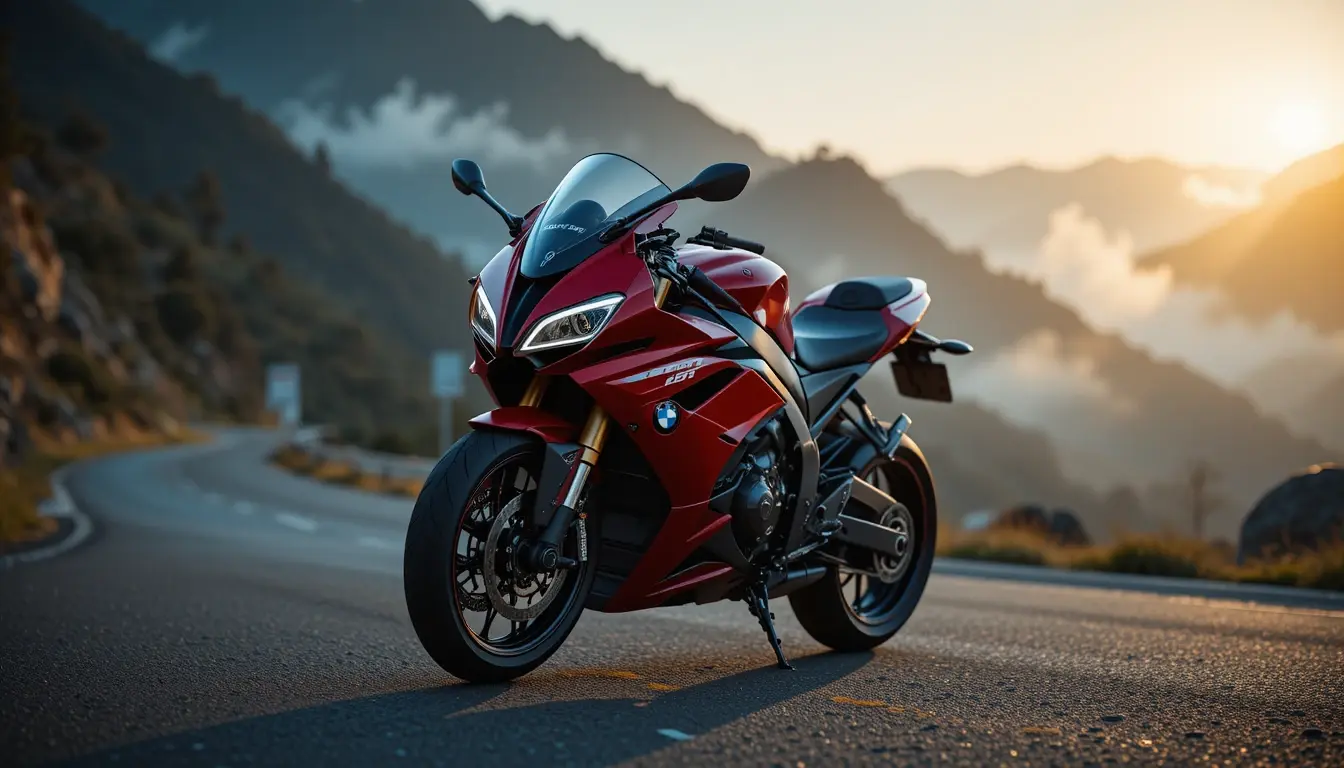
    Okay, pause for a minute: What is the initial word popping in your head if you hear BMW? Probably, you think about a high-end car right? Maybe the iconic 3 Series, or the beastly M5. But guess what? BMW Motorrad has been quietly killing it in the motorcycle game too. And the BMW 310 RR ? Oh man, it’s not just some entry-level bike with a fancy badge. It’s way more than that.

    This little sportbike has carved out a unique space in the 300cc segment, and honestly, it’s turning heads for all the right reasons.

    Looks That Scream Speed (Even When Parked)

    The first time you see the BMW 310 RR in person, you kinda pause. It looks… serious. Like, race-track serious. It’s got that sharp fairing, aggressive front end, and sleek tail that gives off strong superbike vibes. BMW didn’t hold back on design here — they’ve basically shrunk down their S1000 RR DNA into a compact, street-legal rocket.

    And those paint jobs? Absolute fire. Especially the Racing Red and Style Sport options — they just pop, you know? Whether you’re at a traffic signal or pulling into a café parking lot, expect some stares.

    Under the Hood (Or… Under the Tank)

    Powering the 310 RR is a 312cc, single-cylinder, liquid-cooled engine. On paper, it makes around 34 hp and 27.3 Nm of torque. Now that may not sound earth-shattering, but hold up — this engine is tuned so well that it feels punchier than it looks on spec sheets.

    Twist the throttle, and the response is crisp. Linear power delivery means you won’t get thrown off, but oh boy, it still pulls nicely through the gears. And yep, you’ve got a 6-speed gearbox to keep things spicy. Shifting’s smooth, and it lets you really push the bike when you’re feeling a little naughty.

    Also, fun fact — this engine is co-developed with TVS, which means it’s not just refined, it’s proven. You’re getting German engineering with Indian manufacturing finesse. Not a bad combo, eh?

    How Does It Ride Though?

    In one word: confidently.

    The BMW 310 RR isn’t just fast in a straight line. It’s built to handle corners like a champ. Thanks to its tubular steel trellis frame, it’s lightweight yet stiff enough to keep things stable at high speeds. The USD front forks and rear monoshock soak up bumps pretty well, even on not-so-great roads (we’re looking at you, city potholes).

    Taking tight turns feels smooth and controlled. It leans predictably, and there’s enough ground clearance to really tip it over without scraping parts. Beginners will feel at home quickly, while experienced riders can still have loads of fun.

    Braking? Solid. With 300mm disc up front and 240mm rear, plus dual-channel ABS, you can brake late and still feel planted. The ABS kicks in gently — not too intrusive, but there when you need it.

    Tech That Actually Helps

    One of the coolest things about the 310 RR is that it’s got tech that actually matters. Like the TFT digital display — it’s full-color, easy to read, and just looks premium. You can switch between Rain and Road riding modes, which is honestly super handy.

    Rain mode tones down the throttle for more controlled riding on slippery roads. Road mode? It unleashes the beast a bit more — full power, baby.

    LED lights all around mean better visibility at night and a cleaner aesthetic. No more bulb drama. And the exhaust note? Surprisingly throaty for a single-cylinder. It’s not obnoxious, but there’s enough growl to keep things interesting.

    Comfort: Yes, You Can Daily It

    Now here’s where a lot of sportbikes mess up — comfort. But the 310 RR? It’s actually rideable on a daily basis. The seating position is sporty but not back-breaking. Footpegs are a bit rear-set, sure, but they don’t kill your knees after 30 minutes.

    The seat could be softer, yeah, but it’s decent enough for short weekend rides. Wind protection is better than you’d expect too, thanks to that windscreen up front.

    And it’s surprisingly good on fuel. You can squeeze out around 30-35 km/l, depending on how heavy your wrist is. Not bad for something this peppy.

    Price & Ownership: Is It Worth It?

    So here’s the kicker — the BMW 310 RR isn’t exactly cheap. It’s definitely pricier than some of its direct rivals like the KTM RC 390 or even the Apache RR 310 (which it shares a lot with). But… it’s a BMW. That badge means something.

    You’re not just paying for performance — you’re paying for that brand experience, the build quality, the attention to detail. Service intervals are decent, and BMW’s network in India is growing steadily. Resale? Better than most in this class.

    If you’re someone who values a premium, well-rounded experience more than just raw numbers on a spec sheet — this bike’s totally worth the price tag.

    Final Thoughts: Who Is This Bike For?

    Honestly? Pretty much anyone who wants a sporty, stylish, and well-built motorcycle that doesn’t just look good but performs across the board.

    Whether you’re:

    • A college student stepping up from a 150cc bike,
    • A working professional looking for something fun yet practical,
    • Or even a weekend warrior itching to hit the twisties…

    …the BMW 310 RR delivers. It’s fast, it’s fun, it’s premium — and it makes every ride feel a bit more special.

    So, is it perfect? Nah. But does it make you feel something every time you twist that throttle?

    Absolutely.
  • Mahindra XEV 9e – A New Chapter in India’s Electric Future

    Mahindra XEV 9e – A New Chapter in India’s Electric Future

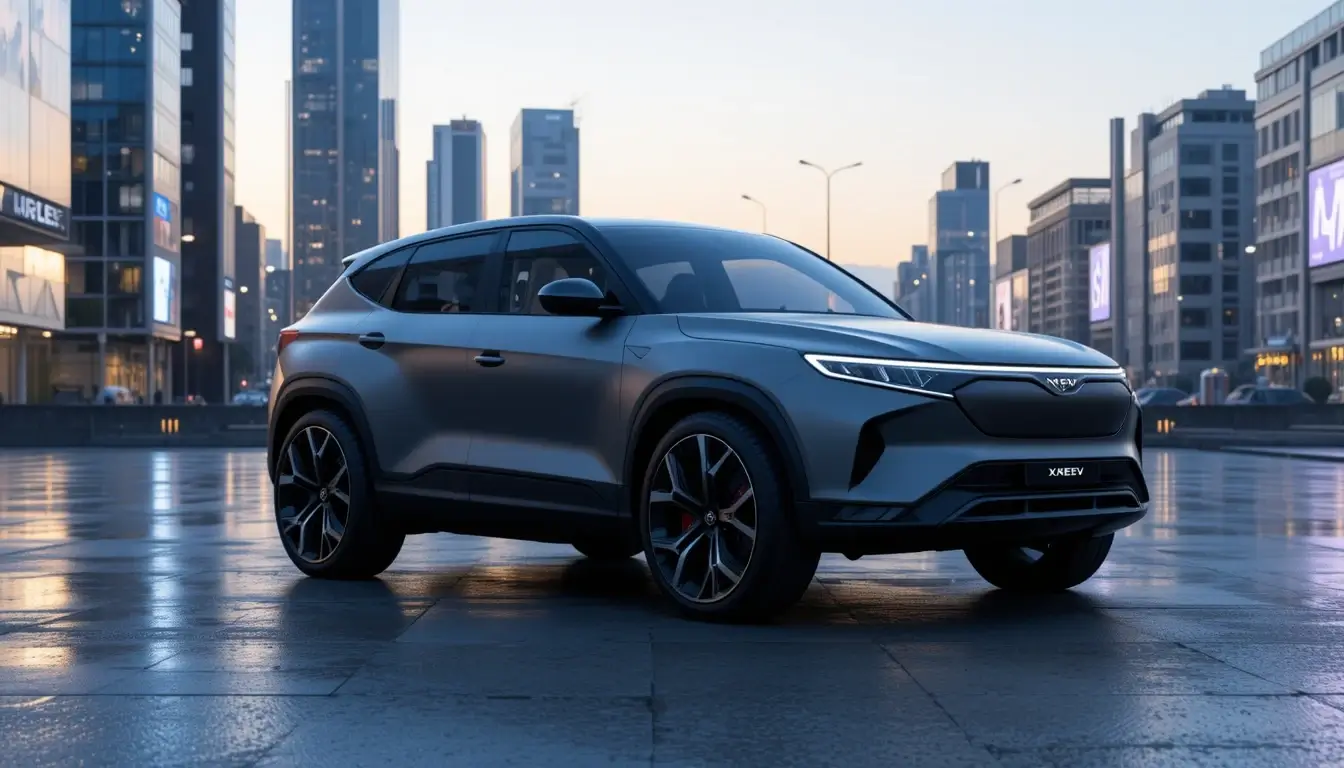
    Well, now, Mahindra is serious with what they want to say for the change. After teasing us with a string of electric concepts and futuristic promises, they’re now getting serious with something that feels different. Really different. Enter the Mahindra XEV 9e—a sleek, powerful, and incredibly ambitious electric SUV that’s turning heads even before it’s officially launched.

    Not another “eco-friendly” type of vehicle it is to be sure. Mahindra is now officially the owner of a breathtakingly cutting-edge, fully electric vehicle. And honestly? It’s kind of exciting.

    A Design That Doesn’t Try Too Hard—But Still Wows

    Let’s talk design. The XEV 9e looks like it belongs in a sci-fi movie—but one of the good ones, not the low-budget kind.

    It’s built on Mahindra’s new INGLO EV platform, which means we’re looking at a whole new breed of SUV. Smooth lines, sharp angles, and LED lights that scream “I’m not here to blend in.” The front end? No traditional grille—just a futuristic face with a bold light signature. Very EV. Very now.

    And those wheels—sculpted, futuristic, probably designed in some wind tunnel. They’re not just for show; they help with aerodynamics and efficiency too. Honestly, this thing looks like it was built to glide, not roll.

    Inside the Cockpit – Techie, Minimal, and Pretty Damn Cool

    Step inside, and it gets even better.

    The interior of the XEV 9e feels like someone merged a luxury lounge with a spaceship. You’ve got massive screens (probably two—one for the driver, another for everything else), touch-sensitive controls, and a cabin that’s minimal without feeling empty. You know that fine line between “sleek” and “soulless”? Mahindra seems to have nailed it.

    You’ll likely see features like wireless Android Auto and Apple CarPlay, cloud-connected services, ambient lighting that changes with your mood (yes, really), and even AI voice commands. Maybe even stuff like gesture controls or AR navigation—we wouldn’t be surprised.

    Oh, and rumor has it that the seats will be made from sustainable materials. Eco-luxury is the vibe here.

    Let’s Talk Power – What’s Under the Hood (Or… the Floor?)

    Now, since this is an electric SUV, we’re not dealing with petrol tanks or exhausts. Instead, we’re talking motors, battery packs, and raw torque.

    While official numbers are still under wraps, insiders are hinting at a range of around 450 to 500 kilometers. Not bad at all. Perfect for your daily commute and that spontaneous weekend trip you keep putting off.

    It’ll probably support ultra-fast charging, too—think 0 to 80% in half an hour. That’s just enough time to grab a coffee and doomscroll through Instagram.

    And performance? Expect this SUV to move. We’re hearing whispers of 0 to 100 km/h in under 6 seconds. That’s hot hatch territory—except this is an SUV. Let that sink in.

    Safety & Smart Tech – Because Brains Matter Too

    What’s power without safety, right?

    The XEV 9e is expected to come loaded with ADAS (Advanced Driver Assistance Systems)—stuff like lane-keeping assist, adaptive cruise control, and emergency braking. So yeah, it’s going to be smart. Like, really smart.

    Also, expect the full safety suite—multiple airbags, strong crash-tested body structure, and maybe even Level 2 autonomy. Basically, it’ll do a lot of the thinking for you, especially when you’re stuck in maddening traffic or long drives.

    And let’s not forget connectivity. Remote lock/unlock, location tracking, battery health monitoring, OTA updates—all from a Mahindra EV app. Because why not?

    The INGLO Factor – India Meets Global Tech

    Let’s not ignore the backbone of all this—the INGLO platform. It stands for Indian Global. Catchy, right?

    It’s Mahindra’s way of saying, “We’re building something global, but rooted in Indian needs.” It supports multiple battery sizes, drive types (AWD, RWD, FWD), and body styles. In other words, it’s modular, flexible, and future-ready.

    This also means that over time, Mahindra could push software updates to your XEV 9e—improving things like range, performance, or even adding new features. That’s the beauty of a software-defined vehicle.

    Pricing & Launch – How Much and When?

    Here’s where things get a little fuzzy.

    The Mahindra XEV 9e hasn’t been officially priced yet, but whispers suggest it’ll be somewhere in the ₹30–40 lakh range (ex-showroom). That’s premium, yes. But considering the tech, performance, and global appeal, it just might be worth every rupee.

    As for launch? Late 2025 is looking likely. Mahindra is being careful with this one. And rightly so—it could be the face of their EV revolution.

    Why the Hype Matters – It’s Bigger Than Just One Car

    The XEV 9e is not just another SUV. It’s a shift in mindset. A step toward clean mobility that doesn’t feel like a compromise. And coming from Mahindra—a brand that’s been deeply Indian for decades—it means a lot.

    We’re finally seeing an Indian automaker take the global EV challenge seriously. And not by copying what Tesla or Hyundai is doing, but by doing it their own way.

    Final Thoughts – Should You Be Excited?

    Absolutely.

    The Mahindra XEV 9e isn’t just promising—it’s electric, it’s fresh, and it’s got attitude. It’s built for folks who want tech, performance, and sustainability—all rolled into one.

    Is it perfect? Probably not. No car is. But it looks like the kind of vehicle that could make people rethink what they expect from Indian cars—and that’s huge.

    So yeah, keep your eyes on this one. Because the XEV 9e isn’t just coming—it’s coming loud.

  • Best Bikes for Killer Mileage in India (2025): Save Those Rupees!

    Best Bikes for Killer Mileage in India (2025): Save Those Rupees!

    Best Bikes for Killer Mileage in India Alright, let’s talk about what really matters when buying a bike in India – how far can you stretch that liter of petrol? I mean, with fuel prices these days, we might as well be pouring liquid gold into our tanks, right?

    Now, I’ve ridden my fair share of bikes, talked to mechanics till they got sick of me, and even stalked a few bike owners at traffic signals (don’t judge – research is research!). Here’s the real deal on bikes that won’t leave your wallet crying at the petrol pump.

    What Actually Gives Good Mileage?

    Look, all those fancy terms manufacturers throw around? Let me break it down in plain talk:

    • Smaller engines usually sip petrol instead of guzzling it (100-125cc is the sweet spot)
    • Lighter bikes move easier – basic physics, folks
    • Fuel injection beats old-school carburetors any day
    • Skinny tires roll smoother (though they’re not great for potholes)
    • And for God’s sake, keep it serviced – a clogged air filter can murder your mileage

    Best Bikes for Killer Mileage in IndiaThe Top Dogs of Mileage

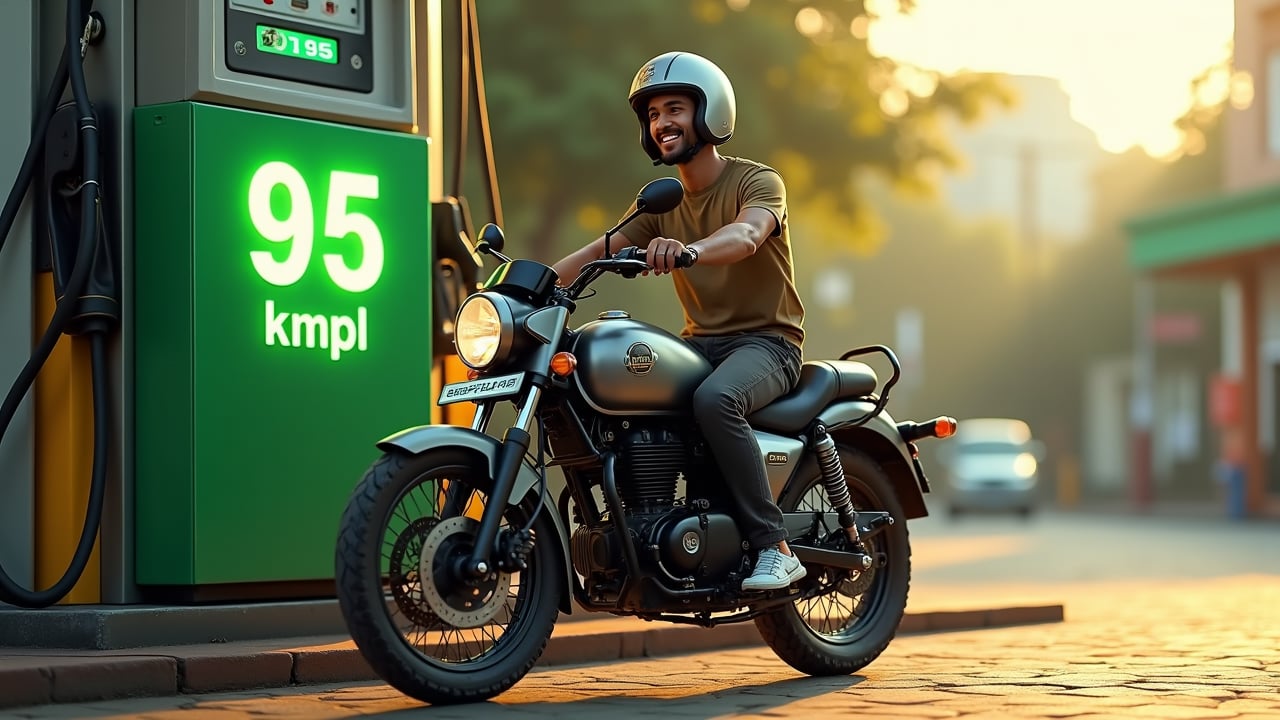
    1. TVS Sport – The Penny Pincher’s Dream (95 kmpl!)

    What’s under the hood: 110cc of pure efficiency
    Damage to your bank account: Around ₹65-70k

    Okay, let’s be honest – this isn’t the sexiest bike out there. But holy moly, the mileage! My cousin rides one and swears he gets 85 kmpl in Bangalore traffic. That’s like getting from Mumbai to Pune on a single tank!

    Good stuff:

    • Light as a feather (109kg)
    • Cheap as chips to maintain
    • TVS service centers everywhere

    Bad stuff: Best Bikes for Killer Mileage in India

    • About as exciting as watching paint dry
    • Feels like a strong breeze could blow it over

    2. Bajaj Platina 110 – The Comfortable Saver (90 kmpl)

    Engine stuff: 115cc with some Bajaj magic
    Price tag: ₹70-75k

    Now this one’s interesting. Bajaj somehow made a mileage bike that doesn’t feel like you’re sitting on a rock. Who knew?

    Why people love it:

    • That LED tail light actually looks cool
    • Suspension that won’t destroy your back
    • 5-year warranty? Yes please!

    Downsides:

    • Still looks like, well, a Platina
    • Not exactly a head-turner

    3. Hero Splendor Plus – Old Reliable (80 kmpl)

    Engine: 97.2cc of pure nostalgia
    Cost: ₹75-80k

    Come on, you knew this was coming. The Splendor is like that one uncle who’s always dependable but tells the same jokes every Diwali.

    Why it’s still around:

    • Will probably outlive cockroaches in a nuclear war
    • Every mechanic in India knows how to fix it
    • Resale value? Fantastic.

    But…

    • About as exciting as a bowl of plain dal
    • Everyone and their dog has one

    Wait, There’s More!

    Honda CD 110 Dream – The Smooth Operator (74 kmpl)

    This one’s for those who want mileage without feeling like they’re riding a sewing machine. Honda’s engineering makes this surprisingly pleasant to ride, though it costs a bit more.

    Yamaha Saluto RX – The Dark Horse (82 kmpl)

    Who knew Yamaha made mileage bikes? This 125cc actually looks decent and delivers great numbers. A solid choice if you’re young and want something that doesn’t scream “uncle bike”.

    Real Talk: What Should You Actually Buy?

    Here’s the thing – all these bikes will save you petrol money, but:

    • If you want absolute maximum mileage, get the TVS Sport
    • Need comfort for long rides? Bajaj Platina
    • Just want something that’ll never die? Hero Splendor
    • Feeling fancy? Honda CD 110
    • Young and want style? Yamaha Saluto

    Pro Tips From Actual Riders

    1. Keep your tires pumped up properly – soft tires kill mileage
    2. That service reminder? Actually follow it
    3. Easy on the throttle, speed demon
    4. Extra weight = extra petrol burned
    5. Good engine oil makes a difference

    Also Read : Bajaj Discover 150: The Unpretentious Commuter That Just Works

    Final Thoughts

    At the end of the day, the “best” bike depends on what you need. Me? I’d probably go for the Platina – decent mileage plus some actual comfort. But hey, your call!

    What about you? Riding any of these? Thinking of buying? Hit me up in the comments – let’s argue about bikes like proper Indians! 🚀

  • Tata Nano 2025: Reinventing the World’s Most Affordable Car for a Sustainable Future

    Tata Nano 2025: Reinventing the World’s Most Affordable Car for a Sustainable Future

    Remember the Tata Nano? That tiny, budget-friendly car that promised to put millions of Indians on wheels? Yeah, the one that sparked debates about affordability vs. practicality. Fast-forward to today, and Tata’s back with a plot twist: the Tata Nano 2025.

    And this time? It’s electric, packed with tech, and ready to silence the skeptics. Let’s talk about why this reboot might just be the urban mobility hero we’ve been waiting for—flaws, quirks, and all.

    From “Cheapest Car” to “Smartest EV in Town”: A Redemption Story

    Let’s be honest—the original New Tata Nano 2025 had its issues. Critics called it cramped, underpowered, and, well, too basic. But here’s the thing: Tata wasn’t wrong about the vision. They just jumped the gun.

    Today, electric vehicles running through the urban streets and the atmosphere filled with polluted air is a clear sign of Tata’s mic-drop moment of Nano 2025.

    Can you think of the Nano 2025 as replacing the old gasoline engine with an electric motor that runs as silently as a whisper, adding solar panels and giving it a design that doesn’t look like a cheap car? That’s the Nano 2025. It feels like a person whom you never thought could achieve anything waking up one day and winning MasterChef.

    Design: Small but Mighty (and Surprisingly Stylish)

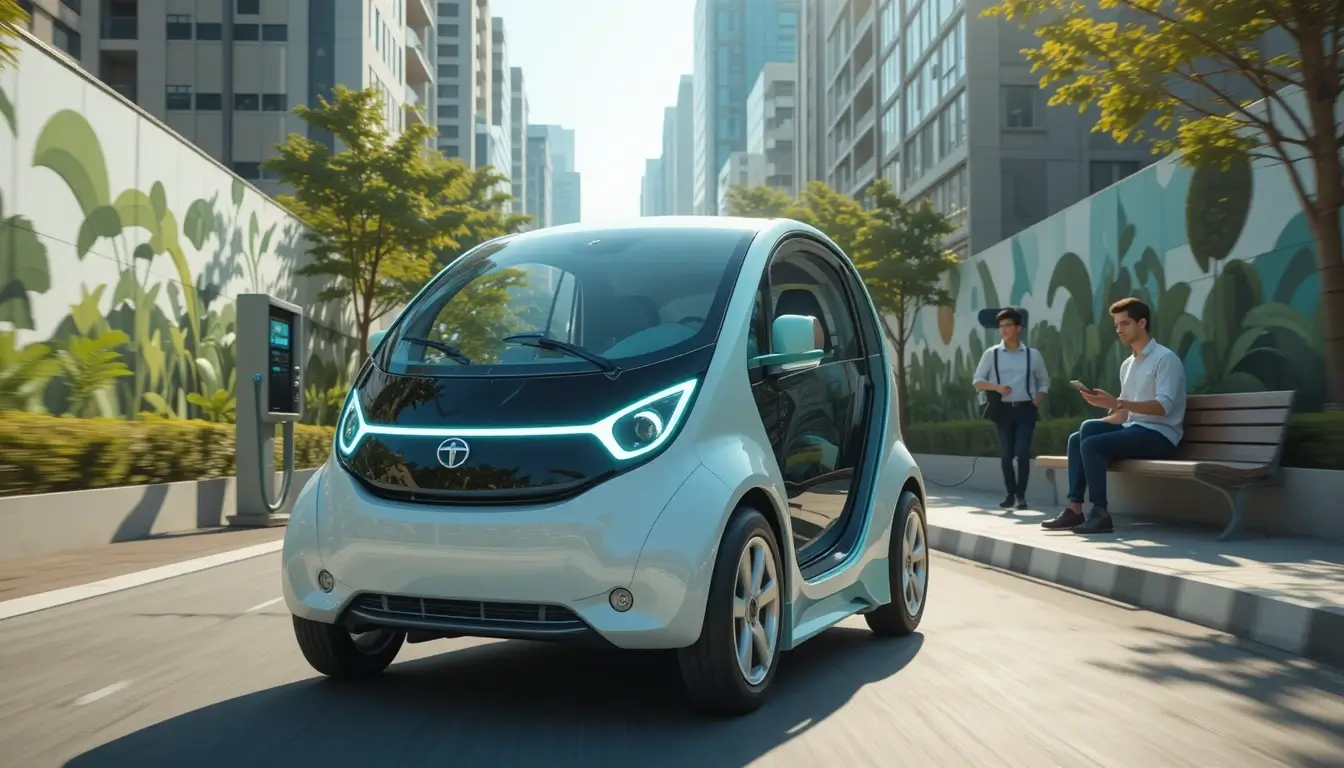
    Gone’s the boxy, no-nonsense look. The 2025 Nano sports a fresh, modern vibe—think rounded edges, a sleek LED light strip up front, and a two-tone paint job that somehow makes it look expensive.

    Sure, it’s still compact enough to squeeze into motorcycle parking spots (we’ve all tried it), but the cabin? Way roomier. They’ve stretched the wheelbase just enough so your knees aren’t hugging the dashboard.

    Inside, it’s all about “cheap but cheerful.” The seats? Recycled fabric that’s softer than you’d expect. The dashboard? A 10-inch touchscreen that’s basically a smartphone on wheels. And get this—they’ve added tiny storage nooks everywhere. Glovebox? Check. Door pockets? Check. A secret compartment under the passenger seat for your emergency samosas? Probably. It’s like IKEA designed a car.

    Tech That’s Smarter Than Your Average Sedan

    Okay, let’s geek out. The Tata Nano 2025 isn’t just electric—it’s smart electric. The base model promises 250 km on a charge, which, let’s face it, is more than enough for zipping around Mumbai or Delhi. But the real win? Tata’s thrown in 30-minute fast-charging. Yeah, you can juice it up while grabbing a coffee. No more panicking when your battery hits 10%.

    And then there’s the tech. This thing’s got AI that learns your driving habits. Leave for work at 8 a.m. every day? The car pre-cools the cabin by 7:55. Hate traffic? The built-in navigation finds backroads even Google Maps ignores.

    Oh, and it’ll nag you about tire pressure and brake pads like a worried parent. Safety-wise, they’ve loaded it with airbags, ABS, and lane-assist—because crashing a Nano shouldn’t be a death sentence anymore.

    Eco-Friendly? Try Eco-Warrior

    Here’s where the Nano 2025 gets cheeky. Tata’s gone full “green mode.” The roof has solar panels that trickle-charge the battery—park it in the sun, and you’ll gain a few free kilometers daily. The materials? Recycled plastics, plant-based foam, and carpets made from old fishing nets (yes, really). Even the production line runs on wind and solar power.

    But the coolest bit? The battery recycling program. Once your battery’s toast, Tata takes it back, refurbishes it, and slaps it into a rickshaw or solar farm. It’s the circle of life, EV-style.

    Who’s This For? (Spoiler: Probably You)

    Let’s cut to the chase: the Tata Nano 2025 isn’t for everyone. But if you’re a city dweller tired of traffic jams and Rs. 100/liter petrol? This could be your jam. Students, young professionals, gig workers—it’s perfect for anyone who needs a no-fuss ride that won’t bankrupt them. Rumor is Tata’s pricing it under ₹8 lakh, which undercuts every EV in India. Even Ola and Uber might snag these for their fleets.

    And hey, if you’re still nervous about EVs? Tata’s rolling out subscription plans. Pay monthly, swap batteries easily, and ditch the commitment phobia.

    Learning From Mistakes: Why This Tata Nano 2025 Won’t Flop

    Tata’s not repeating history. The 2025 Nano’s built on a tougher platform—no more flimsy sheet metal jokes. They’ve partnered with charging startups to blanket cities with stations, and there’s a PR blitz teaching folks why EVs aren’t just “fancy golf carts.” Plus, that 5-star safety rating? It’s a flex aimed squarely at past critics.

    The Bigger Picture: Why This Matters

    Globally, cities are banning gas cars. India’s pushing hard for EVs. But let’s be real—most people can’t afford a ₹20 lakh Tesla. The Nano 2025 bridges that gap. It’s not just a car; it’s a middle finger to pollution and a high-five to affordability. If this works, we could see millions of these little guys zipping around, cutting emissions, and proving you don’t need a fortune to join the EV revolution.

    Wrapping Up: Don’t Sleep on This New Nano 2025

    The Tata Nano 2025 isn’t perfect. The trunk’s still tiny, and highway drives might feel… adventurous. But for what it is—a city-friendly, planet-loving, wallet-pleasing EV—it’s a home run. Tata’s taken a punchline and turned it into a pioneer. And honestly? We’re here for it.

    So keep your eyes peeled. The New Nano 2025 might just be the underdog that changes how India drives—and hey, maybe the world, too.

  • Tata Sumo 2025: The Rugged Rebel Gets a High-Tech Makeover

    Tata Sumo 2025: The Rugged Rebel Gets a High-Tech Makeover

    Yup, that’s it—now the SUV or the Ford in Tata’s garage has started. If you’ve been keeping an eye on car news lately, you’ve probably heard whispers about the Tata Sumo 2025. Yeah, that Sumo.

    The one your uncle swore by during monsoon road trips and your dad used to haul everything from furniture to festival decorations. Well, guess what? It’s back. But this isn’t just some nostalgia trip—it’s a full-blown reinvention. Buckle up, because we’re diving into why this might be the most exciting SUV Tata’s dropped in years.

    From Bhaiyya to Boss: The Sumo’s Glow-Up

    Let’s rewind a bit. The original Tata Sumo wasn’t exactly what you’d call “pretty.” It was boxy, loud, and built like a tank—which, honestly, is why everyone loved it. Fast-forward three decades, and Tata’s decided the Sumo deserves a glow-up.

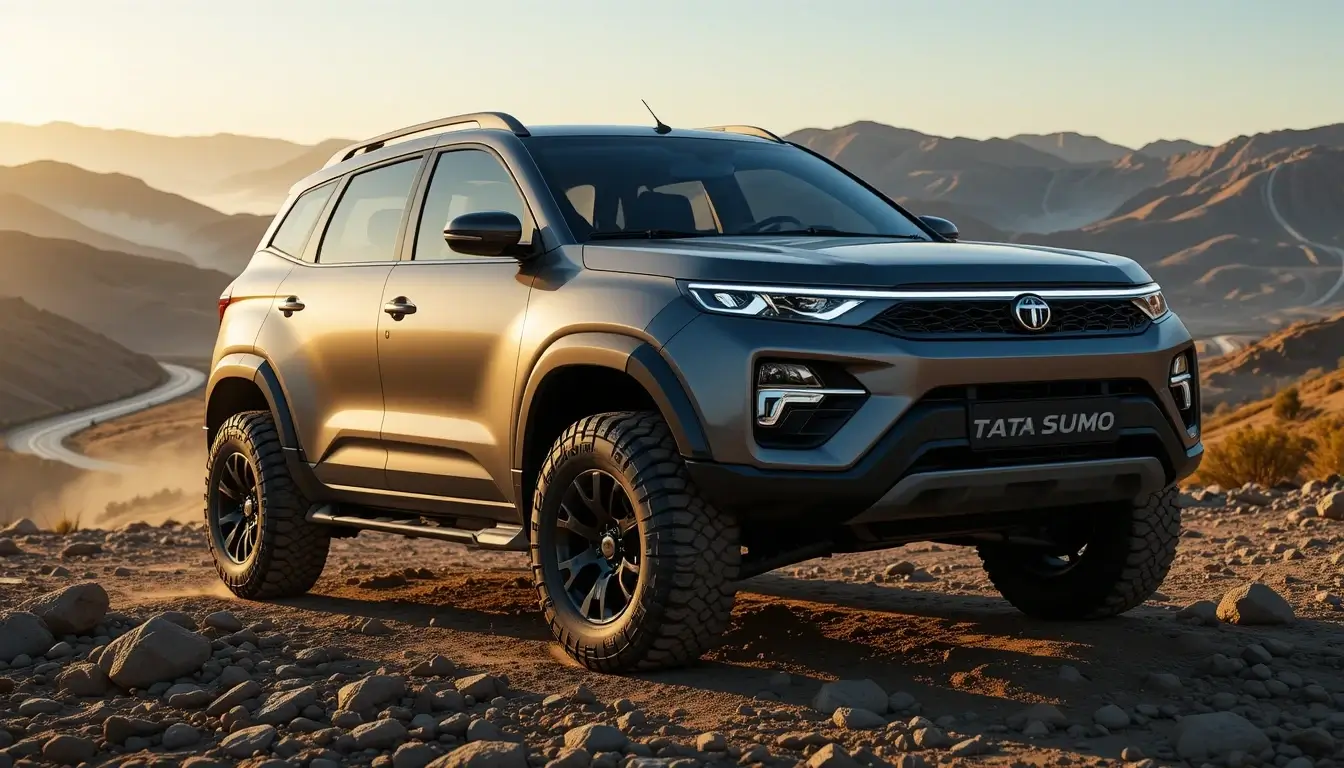
    Think of it like your favorite action hero swapping khaki shorts for a tailored suit but still knowing how to throw a punch. The 2025 model keeps that tough-guy vibe but tosses in curves, LEDs, and a grille that screams, “Move over, I’ve got places to be.”

    And here’s the kicker: it’s still a Sumo. You can spot those DNA hints—like the high roofline and chunky wheel arches—but now it’s got a sleeker profile that’ll actually turn heads in a mall parking lot. Oh, and those 18-inch alloys? They’re not just for show. Tackle a pothole-ridden backroad or a surprise speed bump, and you’ll thank Tata later.

    Inside the Cabin: Where Tech Meets “Arre, Bahut Comfortable Hai!”

    Okay, let’s crack open the doors. Remember the old Sumo’s plasticky interiors and those vinyl seats that stuck to your legs in summer? Yeah, those days are gone. The 2025 cabin feels like Tata raided a luxury lounge. Plush seats? Check.

    Ambient lighting that changes colors because why not? Check. And get this—there’s a massive 10.4-inch touchscreen slapped right in the middle. It’s like having an iPad glued to your dashboard, but in a good way.

    But Tata didn’t forget its roots. This is still a family-and-friends kind of ride. The third-row seats aren’t an afterthought (looking at you, some competitors), and there’s enough legroom to avoid the classic “knee wars” on long drives. Oh, and storage? Fold those seats down, and you could practically fit a small scooter back there. Perfect for that impulsive IKEA run or a weekend camping gear dump.

    Under the Hood: Diesel, Hybrid, and “Wait, This is a Sumo?!”

    Let’s address the elephant in the engine bay. The original Sumo’s diesel clatter could wake up the whole neighborhood. The Tata 2025 version? It’s still got diesel muscle, but now there’s a twist—a mild-hybrid system that’s like giving the engine a caffeine shot.

    You get 170 PS of power, which basically means merging onto highways feels less like a gamble and more like a smooth power move.

    But here’s where things get spicy. Tata’s throwing in a plug-in hybrid option too. Yep, electric mode for those “I’m saving the planet today” vibes. You can go up to 60 km inside the city on the electric power before gas engine comes to start.

    It’s as if you have Plan B for your Plan B. And before you ask—no, it doesn’t sound like a tractor. Progress, people!

    Safety Stuff: Because Tata Wants You Alive

    Let’s be real—older SUVs treated safety like an optional extra. Not this one. The Tata Sumo 2025 SUV comes packed with airbags (six of ’em!), a frame built like a bodybuilder’s skeleton, and gadgets that’ll make you feel like you’re driving a spaceship.

    Adaptive cruise control? Check. Lane-keeping assist that gently nudges you back if you daydream? Yep. There’s even a 360-degree camera so you won’t scrape those fancy alloys while parallel parking.

    But the coolest feature? Night Vision Assist. Picture this: you’re driving through pitch-black rural roads, and the car spots a cow chilling in the middle of the street before you do. Magic? Nah, just thermal cameras doing their thing. Tata’s basically giving you superhero night vision. No cape required.

    Green Cred: Saving Fuel (and the Planet) Without the Guilt

    Alright, let’s talk eco-stuff. The Tata Sumo 2025 isn’t exactly a tree hugger, but it’s trying. The hybrid engines eliminate emissions by 30%, the equivalent of taking a few thousand cars off the road. On top of this, regenerative braking is a very effective way of saving energy; in other words, your brakes become a generator of electric power.

    And inside, Tata’s using recycled plastics and vegan leather. Yeah, vegan leather. No cows were harmed in making your comfy seats. It’s a small step, but hey, at least you can brag about it at your next dinner party.

    Who’s It For? Literally Everyone.

    Seriously, this SUV’s playing for all teams. Families will love the space and safety. Adventure junkies can take it off-roading without sweating bullets. Even city slickers can navigate tight lanes thanks to its (relatively) compact size for a 7-seater. Oh, and rumor has it Tata’s planning a commercial variant too—because why should tourists have all the fun?

    New Tata Sumo 2025 Price Tag: Will It Break the Bank?

    No official numbers yet, but word on the street is Tata Sumo 2025 SUV price will start around ₹18 lakh. That puts it in the ring with the Mahindra Scorpio-N and Hyundai Alcazar. But here’s the thing: where else are you getting a hybrid SUV that can handle both Mumbai traffic and a mountain trail? Exactly.

    Final Verdict: Old-School Cool Meets New-School Smarts

    The Tata Sumo 2025 SUV isn’t just a comeback—it’s a flex. Tata’s taken a beloved relic, stuffed it with tech, safety, and a dash of eco-consciousness, and somehow made it feel fresh. Is it perfect? Who knows. However, it’s got a character, and in the land of the SUV clones, that deserves all the credit.

    Well, if you are in the mood for a handsome hybrid that is nostalgic and future-proof simultaneously, just be on the lookout.

  • Which is best bike for average in India? – Save Fuel, Ride More!

    Which is best bike for average in India? – Save Fuel, Ride More!

    Which is best bike for average in India? Let’s be real—when you’re buying a bike in India, mileage matters. A lot. Whether you’re zipping through city traffic or cruising on highways, a fuel-efficient bike keeps your wallet happy. But with so many options out there, which one actually delivers?

    I’ve dug into the latest models, talked to riders, and even checked real-world mileage reports. So, here’s the lowdown on the Which is best bike for average in India?—no fluff, just the good stuff.

    Top 5 Bikes That Won’t Drain Your Fuel Tank

    1. TVS Sport – The Mileage King (95 kmpl!)

    • Engine: 109.7cc
    • Mileage: Claims up to 95 kmpl (and riders say it’s pretty close!)
    • Price: Around ₹65,000 – ₹70,000 (ex-showroom)
    • Why It’s Awesome?
      • Light as a feather, perfect for stop-and-go traffic.
      • Cheap to maintain—no fancy parts, just solid reliability.
      • If you want max fuel savings, this is it.
      • Which is best bike for average in India?

    2. Bajaj Platina 110 – Comfort + Efficiency (90 kmpl)

    • Engine: 115cc
    • Mileage: 90 kmpl (Bajaj’s DTS-i tech does its job well)
    • Price: ₹70K-75K (ex-showroom)
    • Why It’s Awesome?
      • That Horse Shoe LED tail lamp looks slick.
      • Long rides? No problem—the seat’s actually comfortable.
      • Bajaj’s service network is everywhere, so repairs won’t break the bank.

    3. Hero Splendor Plus – The Legend (80 kmpl)

    • Engine: 97.2cc
    • Mileage: 80 kmpl (real-world reports back this up)
    • Price: ₹75K-80K (ex-showroom)
    • Why It’s Awesome?
      • It’s a Splendor—durable, trusted, and everywhere.
      • Simple mechanics = fewer headaches.
      • Perfect for daily office runs or quick errands.

    4. Honda CD 110 Dream – Smooth Operator (74 kmpl)

    • Engine: 109.51cc
    • Mileage: 74 kmpl (Honda’s HET engine is super refined)
    • Price: ₹73K-78K (ex-showroom)
    • Why It’s Awesome?
      • Silky smooth ride—no vibrations, no nonsense.
      • Honda reliability means fewer trips to the mechanic.
      • Great for those who want efficiency without feeling like they’re riding a tin can.

    5. Yamaha Saluto RX – The Underdog (82 kmpl)

    • Engine: 125cc
    • Mileage: 82 kmpl (pretty impressive for a 125cc!)
    • Price: ₹80K-85K (ex-showroom)
    • Why It’s Awesome?
      • Yamaha’s Blue Core tech = fuel efficiency + decent power.
      • Looks way cooler than most mileage bikes.
      • Digital console feels premium for the price.

    What Should You Actually Look For?

    Okay, mileage isn’t everything. Here’s what else matters: Which is best bike for average in India?

    • Engine Size: 100cc-125cc is the sweet spot. Enough power, great mileage.
    • Riding Style: If you’re mostly in traffic, pick something light (like the TVS Sport).
    • Maintenance: Japanese bikes (Honda, Yamaha) last longer, but Indian brands (Hero, Bajaj) are cheaper to fix.
    • Features: Fuel-injected (FI) bikes give better mileage than carbureted ones.

    So, Which One’s the Best?

    Honestly? Depends on what you need. Which is best bike for average in India?

    • Want absolute max mileage? → TVS Sport (95 kmpl)
    • Need comfort for long rides? → Bajaj Platina 110
    • Trust matters more? → Hero Splendor Plus
    • Want a bit more power? → Yamaha Saluto RX

    And hey, test ride a couple before deciding. Numbers don’t always tell the full story.

    What’s Your Pick?

    Already riding one of these? Or thinking of buying? Drop a comment—let’s talk bikes!

    (P.S. Mileage varies depending on how you ride. If you’re always redlining, even the TVS Sport won’t save you. Just saying.) 🚀

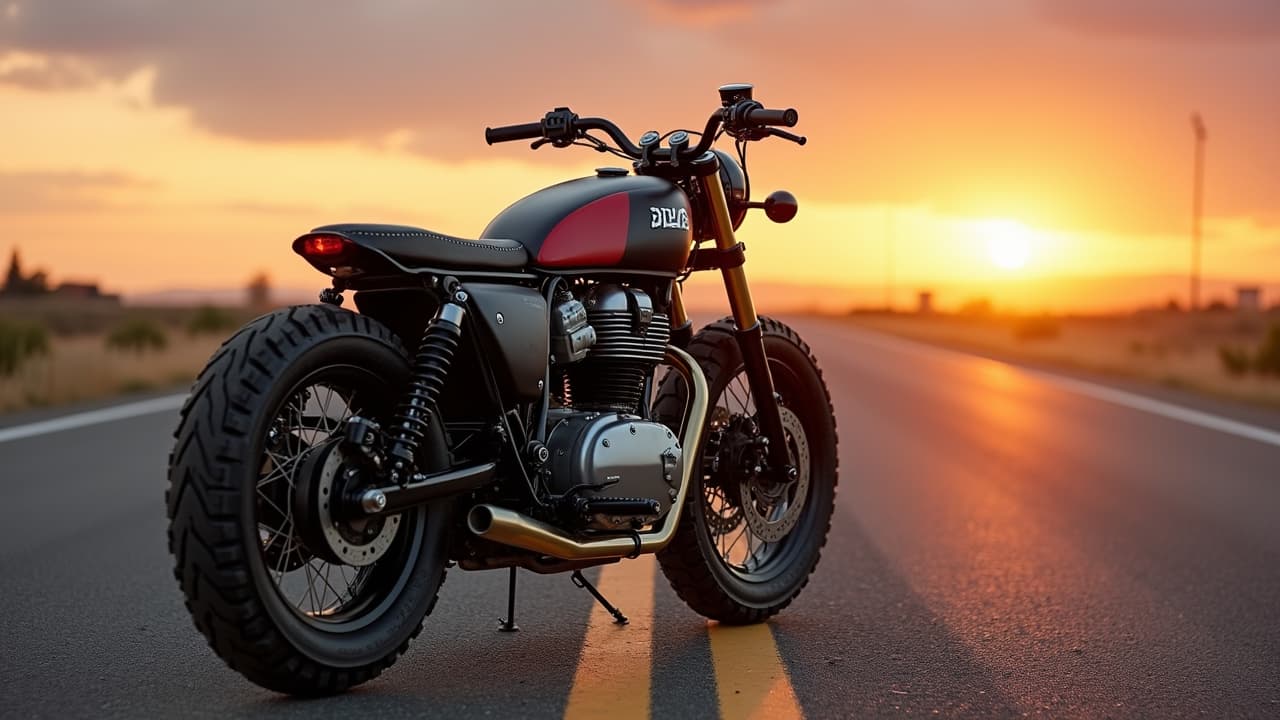
  • Jawa 42 Bobber Modified : A True Classic Reborn with Dhansu Style, Power, and Unmatched Comfort

    Jawa 42 Bobber Modified : A True Classic Reborn with Dhansu Style, Power, and Unmatched Comfort

    Jawa 42 Bobber Modified If you are in the market for a bike that is the perfect blend of power, beauty, and technology, the Jawa 42 Bobber is the best option hands down. It’s the choice for the youth, fans, and those who want to have the sport by motorcycle’s thrill with no effect on their daily life.

    Why the New Jawa 42 Bobber Is Perfect for You

    Given that it’s your daily transport or weekend relaxation, the Jawa 42 Bobber Modified gives you the promise of a full-filled, adrenaline-packed experience whenever you ignite the engine.

    Retro Vibes with Modern Swagger

    What strikes you most about the Jawa 42 Bobber Modified, when you first see it, is the design that leaves a good impression. It artfully combines the aesthetic principles of the energetic bobber tradition with those of flamboyant contemporary motorcycles.

    The way it is so lowly placed, with all wide tires, very little bodywork in a minimalistic design is simply screaming out for a vintage reminiscence. Although, add to these sleek matte finishes, shiny touches of chrome, and bright graphics, and you’ve got a motorbike that would not only look good inside a café but also outside on a highway.

    Design Highlights:

    • Single floating seat with premium stitching
    • Thick front and back tires for the heroic look
    • Fenders which were trimmed and a tank with streamline design
    • An LED headlamp and tail lamp to introduce the modern era
    • Two shades of color, one in matt, and the other in gloss

    It’s no longer a device — two-wheeler is an art on wheels.

    Power That Makes Every Ride Thrilling

    Delving into the aesthetics of the Jawa 42 Bobber Modified notwithstanding, this bike is endowed with a lot of power under the skin of its decent appearance.

    …

    Performance Specs:

    SpecificationDetailsEngine334cc, Single-Cylinder, Liquid-Cooled Max Power~30.64 PSMax Torque~32.74 NmTransmission6-speed manual jawa 42 bobber top speed Approx. 130 km/h

    A Jawa 42 Bobber Modified can provide you with enough power to move from city street to open highway without feeling any lack of power.

    Also Read : The Rising Popularity of e bike electric bicycle : A Green Revolution in Transportation

    Why the Jawa 42 Bobber Modified Stands Out

    Surrounded by the vast market of sports bikes and commuters, the Jawa 42 Bobber easily makes its presence known. It pulls the crowd who are into the details of a master at work, the joy of a relaxed ride and the psychological side of owning a motorcycle like their unique personality.

    Whether you’re a seasoned biker or someone looking to step into the world of premium cruisers, the 42 Bobber is a bike that delivers pure riding joy — with a whole lot of swag.

    Conclusion: Ride with Pride

    The Jawa 42 Bobber motorcycle is more than a mere bike; it’s a vivid expression of one’s liberty, a perfect idea of style, and an embodiment of everything that is timeless in design. The combination of the strong engine, stunning aesthetics, and friendly rider comfort makes it possible to turn every journey into something really remarkable.

    Well, if you have been seeing yourself on the bike that is a show-stopper and an all-rounder, the moment has come for you to take the ride.

    The Jawa 42 Bobber awaits — and trust us, the road has never looked this inviting.

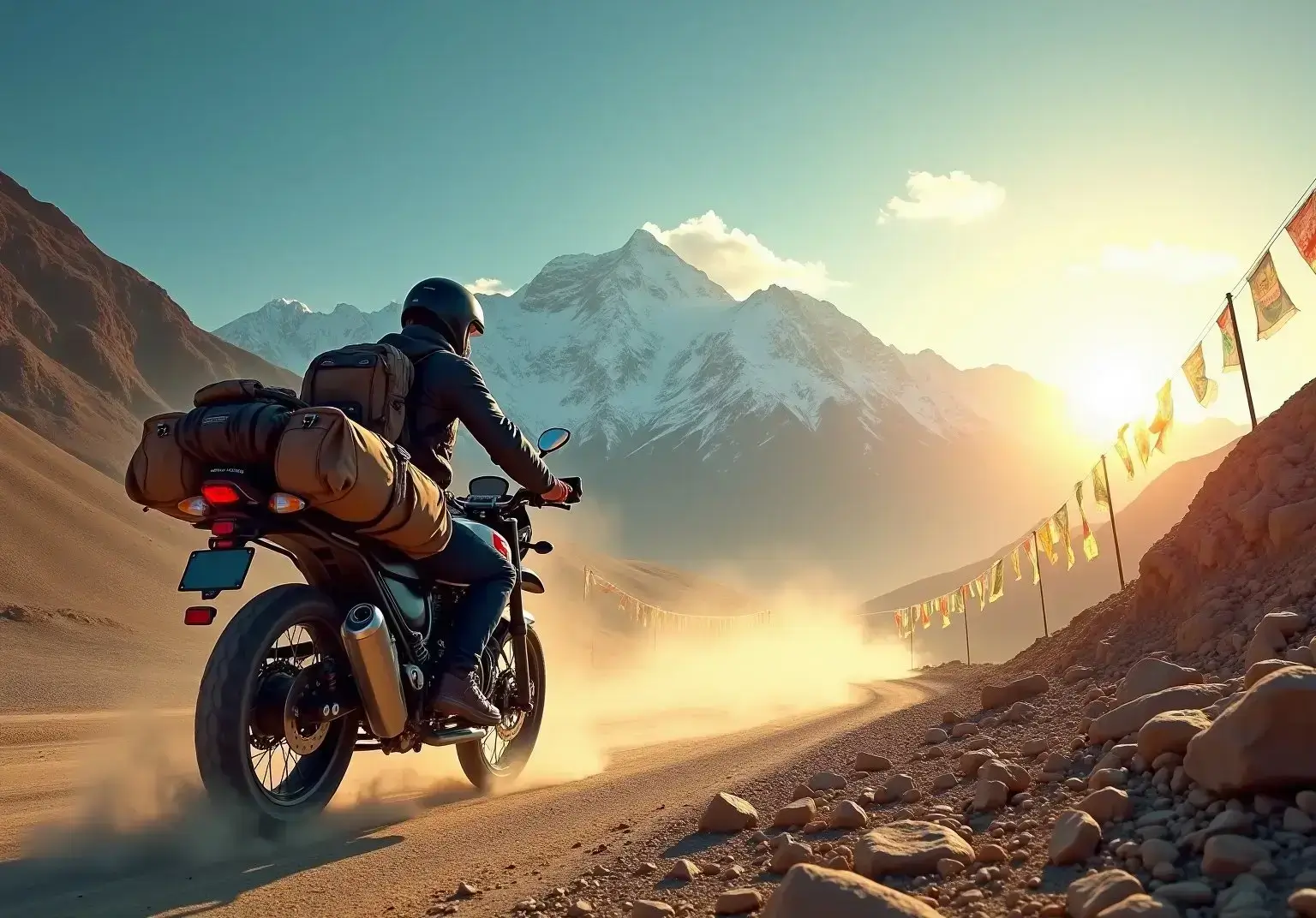
  • The Ultimate Guide to Choosing the Best Bike for Ladakh Trip

    The Ultimate Guide to Choosing the Best Bike for Ladakh Trip

    Let’s be honest—planning a Ladakh bike trip is equal parts excitement and ”what the heck am I getting into?” Those Instagram-perfect shots of riders posing at Khardung La? Yeah, they don’t show the hours of bone-rattling roads, the sudden hailstorms, or that one time someone’s bike decided to take a nap in a stream.

    But hey, that’s the magic of Ladakh. And picking the best bike for ladakh trip? It’s like choosing a travel buddy—get it wrong, and you’ll be cursing every mile. Get it right, and you’ll swear the Himalayas high-fived your soul.

    Why Your Bike Matters More Than Your Playlist (Sorry, Not Sorry)

    Imagine yourself ascending a 17,000-foot pass, your lungs are in pain, and your bike’s engine is making a sound like it has just finished a marathon.Thin air messes with engines, roads switch from tarmac to rubble without warning, and fuel stations?

    They’re like mirages. A bike that can handle this chaos isn’t a luxury; it’s your lifeline. And no, your city-slicker commuter bike won’t cut it. Trust me, I’ve seen guys try.

    What Makes a Bike “Ladakh-Ready”? Let’s Break It Down

    First things first—let’s talk specs, but keep it simple. You want a bike that’s tougher than a week-old roti. Engine power? Go for 150cc or higher. Fuel injection’s a godsend up here because carburetors can throw tantrums in thin air. Ground clearance? Don’t even think about anything under 180mm unless you enjoy scraping rocks. Oh, and that sleek sports bike with the low-slung exhaust? Save it for Goa. Ladakh’s streams eat those for breakfast.

    Comfort’s another biggie. You’ll be riding 8–10 hours daily, and your backside will mutiny if your seat feels like a wooden plank. Upright handlebars, cushioned seats, and please—good suspension. And fuel efficiency? Crucial. Stretches like the Leh-Manali highway have 365 km between gas stops. Run out of fuel here, and you’ll be hitchhiking with a sheep truck.

    The Top Bikes for Ladakh: No BS, Just Real Talk

    1. Royal Enfield Himalayan – The OG Mountain Slayer
    Look, I’ve lost count of riders who’ve hugged their Himalayan after surviving a landslide or a river crossing. This thing’s built for chaos. The 411cc engine doesn’t panic on steep climbs, the 220mm clearance laughs at potholes, and that long seat? Perfect for those “are we there yet?” days. Downsides? It’s heavy. But on Ladakh’s moonscape roads, that weight feels like a steadying hand.

    2. Hero XPulse 200 – The Underdog That Shines
    Don’t let the price tag fool you. The XPulse is like that scrappy friend who outlasts everyone on a trek. Lightweight, insane ground clearance, and fuel-injected? Check. It’s not winning drag races, but on Zanskar’s goat trails, it’s a ninja. Plus, if you drop it (you will), picking it up won’t ruin your day.

    3. KTM 390 Adventure – For the Speed Demons
    If you’re the type who thinks “adventure” means hitting 100kph on a dirt road, this orange beast is your jam. The 373cc engine zooms up passes like they’re speed bumps, and features like cornering ABS? Lifesavers when rain turns roads into ice rinks. Just pray you don’t get a flat—finding tubeless tires in Leh is like spotting a snow leopard.

    4. Royal Enfield Bullet 350 – The Retro Warrior
    Yeah, it’s slower than your grandma’s WhatsApp forwards, but the Bullet’s simplicity is its superpower. No fancy electronics to fail, parts available in every Himalayan village, and that thump? It’s the soundtrack of Ladakh. Just pack earplugs—your wrists will vibrate more than a TikTok dance challenge.

    5. Bajaj Dominar 400 – The Dark Horse
    Sleek, powerful, and smoother than a politician’s promise. The Dominar’s 373cc engine eats highways for breakfast, and its ABS is a blessing on slippery roads. But that 13-liter tank? You’ll be carrying extra fuel like it’s liquid gold. Still, for riders who want power without the Himalayan’s bulk, it’s a gem.

    Pro Tips (From Someone Who’s Burnt Their Fingers)

    Here’s the thing—your bike needs love before you hit the road. Get it serviced like it’s going to war. Swap those street tires for knobby ones (CEAT Gripp’s a solid choice), slap on engine guards, and for god’s sake, pack spare parts. Clutch cables, spark plugs, tubes—Leh’s mechanics are wizards, but even wizards need tools.

    Oh, and acclimatize. Not just you—your bike too. Let it idle for a bit in Leh’s thin air. And pack light. That “just in case” camping gear? Ditch it. Ladakh’s guesthouses have chai and warm beds, which beat a frozen tent any day.

    Routes That’ll Make You Feel Alive (Or Question Your Life Choices)

    The Leh-Manali Highway isn’t just a road—it’s a rite of passage. River crossings, 17,000-foot passes, and views that’ll clog your camera roll. Then there’s Pangong Lake. That 7-hour ride from Leh? One half of it is so smooth, the remaining is not unlike riding a jackhammer. Worth it? When you see those turquoise waters, absolutely.

    And if you’re a glutton for punishment, tackle Umling La. At 19,300 feet, it’s the world’s highest motorable road. Your bike will gasp, your head will throb, but the bragging rights? Priceless.

    Bottom Line: It’s Not About the Bike, But… Okay, It Kinda Is

    Look, any bike can do Ladakh—I once saw a guy on a Splendor! But the right bike turns survival into joy. Whether you rent a Himalayan in Leh-Ladakh or ride your trusty Dominar from Delhi, prep like a paranoid scout and respect the mountains. best bike for ladakh trip doesn’t care about your Instagram followers. It’ll test you, humble you, and if you let it, leave you forever changed.

    So, lube that chain, check the tire pressure, and go chase those Himalayan horizons. Just remember that when your bike is mud-covered and your smile is broader than the Indus Valley, you’ll realize it’s the right choice you made.

    Indeed, be a witness of having hard rides but remember your safety and keep your tires on the road at all times. 🏍️💨

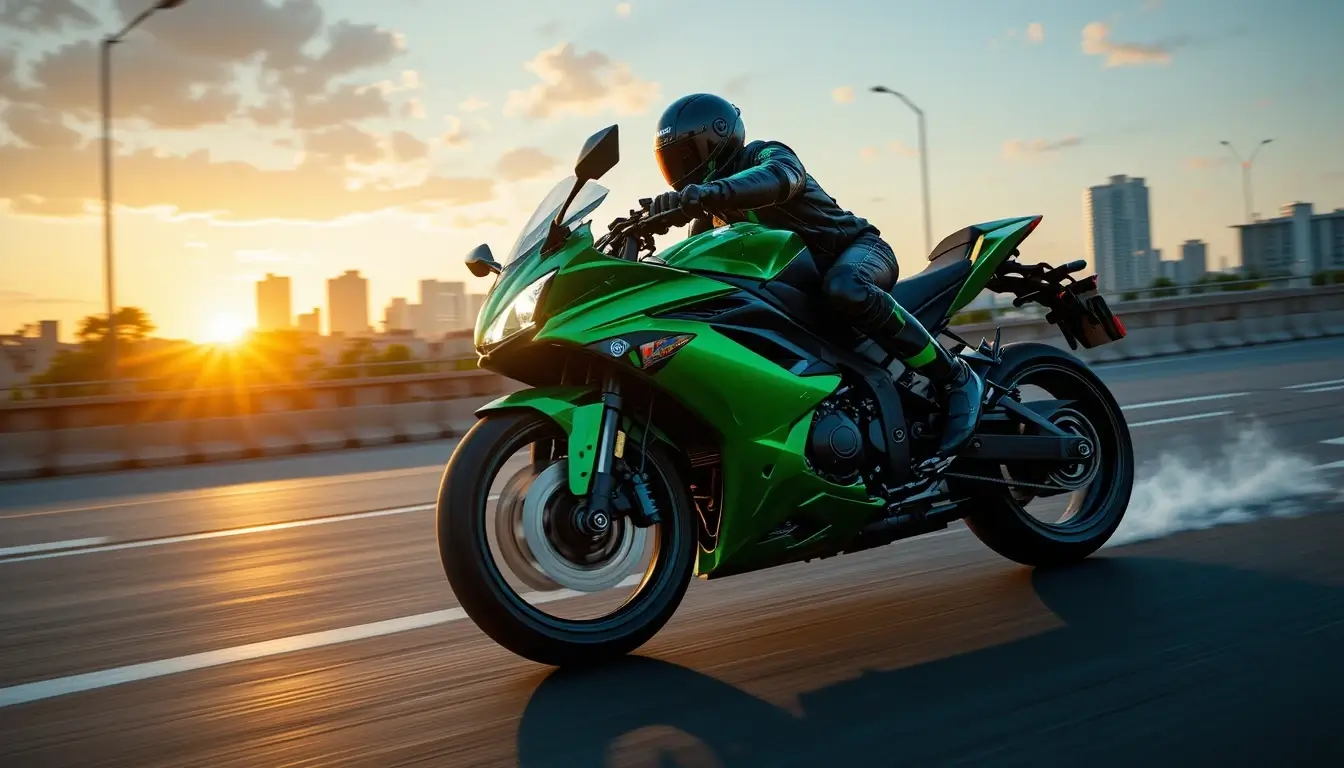
  • Yamaha FZS Fi 2025 149CC: Why This Bike’s Got Everyone Revving Their Engines

    Yamaha FZS Fi 2025 149CC: Why This Bike’s Got Everyone Revving Their Engines

    Let’s be real—finding a bike that nails both looks and performance isn’t easy. But Yamaha’s done it again with the Yamaha FZS Fi 2025. This thing isn’t just another update; it’s a full-on glow-up. Think of it as your cool, slightly rebellious friend who also happens to be great with budgets. Wanna know why? Buckle up.

    Looks That Kill (In a Good Way)

    Yamaha didn’t mess around with the Yamaha FZS Fi 2025’s design. It’s still got that tough, muscular vibe we all love, but now with some futuristic flair. The fuel tank? Sharp enough to slice through traffic—metaphorically, of course. And those LED headlights? They’re not just bright; they’re basically Instagram filters for your bike.

    Oh, and the colors? Cyber Green Metallic isn’t just a name—it’s a vibe. Pair that with the blacked-out exhaust and those diamond-cut wheels, and you’ve got a bike that’ll make parking lots feel like runways. Even your coffee stop becomes a flex.

    Engine Talk: Where the Magic Happens

    Under the hood, the FZS Fi 2025 packs a 149cc engine that’s been tweaked to perfection. Yeah, it’s air-cooled, but don’t let that fool you—this thing’s got pep. With 12.4 PS of power and torque that kicks in right when you need it, overtaking rickshaws feels like a video game.

    But here’s the kicker: the new Sport Eco mode. Sport mode? Pure adrenaline. Eco mode? Your wallet’s new best friend. Switch between them mid-ride like you’re DJing your own commute. And thanks to Yamaha’s Blue Core tech, you’re saving fuel without even trying. Win-win.

    Tech Stuff Even Your Phone Will Jealous Of

    Let’s talk gadgets. The Yamaha FZS Fi 2025 got a 4.2-inch TFT screen that’s basically a smartphone on your handlebars. Hook it up to Yamaha’s Y-Connect app, and boom—real-time mileage stats, maintenance reminders, and turn-by-turn navigation. Forget fumbling with your phone; your bike’s got your back.

    Safety-wise? Single-channel ABS and Traction Control come standard. Rainy days? Gravel roads? No sweat. This bike’s like that friend who texts, “You got this,” before a big meeting.

    Comfort? Oh, They Thought of That Too

    Ever ridden a bike that feels like a torture device after 30 minutes? Yeah, not this one. The seat’s wider and cushier, like a sofa but cooler. Handlebars are set just right—no hunching, no wrist cramps. And that suspension? Soaks up potholes like they’re trivia questions.

    At 137 kg, it’s light enough for city weaving but stable at highway speeds. Plus, 165 mm ground clearance means speed bumps are just… suggestions.

    Price Tag: Spoiler—It’s Worth It

    Let’s talk numbers. The base model starts around ₹1.4 lakh, and the fancy version with all the tech goodies? ₹1.55 lakh. Compared to the Bajaj Pulsar NS160 or Honda Hornet, the Yamaha FZS Fi 2025 feels like a steal. You’re paying for Yamaha’s rep, killer tech, and a bike that won’t ghost you at the service center.

    So, Should You Buy It?

    Short answer: Yes. Long answer: If you want a bike that’s equal parts head-turner, tech wizard, and reliable buddy, the Yamaha FZS Fi 2025 your match. It’s not just about getting from A to B—it’s about grinning the whole way.

    Drop by a Yamaha showroom. Sit on it. Rev the engine. You’ll get it.

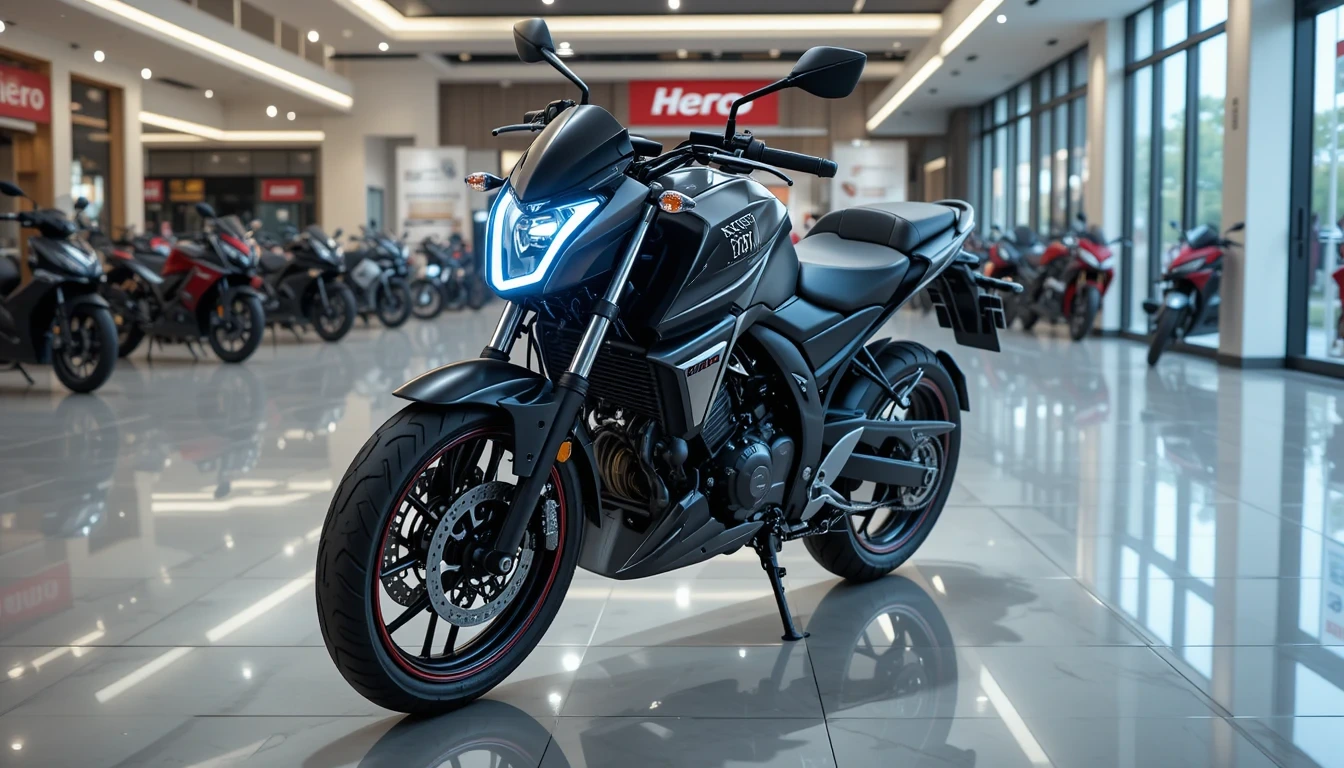
  • Hero Xtreme 160R: The Sweet Spot Between Sporty and Sensible

    Hero Xtreme 160R: The Sweet Spot Between Sporty and Sensible

    Hero Xtreme 160R finding a bike that looks like it means business but won’t punish you in traffic or at the pump isn’t easy. But Hero’s Xtreme 160R? Yeah, it gets pretty close. It’s got the looks to turn heads, enough grunt to keep things fun, and the practicality to make your daily commute a breeze. No wonder it’s got people talking.

    Hero Xtreme 160R Looks That Actually Stand Out

    First things first—this bike doesn’t blend in. The sharp lines, that mean-looking LED headlight, and the twin-pod tail lamp give it a proper sporty vibe. And those colors? The Sports Red pops, the Matte Black looks stealthy, and the Pearl White? Clean and classy.

    The tank’s got just the right amount of muscle to it, and the split seat setup keeps things sporty without wrecking your back on longer rides. It’s not some over-the-top race replica, but it sure doesn’t look like your average commuter bike either.

    Performance? Yeah, It’s Got Some Kick

    Now, the engine—a 160.3cc air-cooled single-cylinder that’s tuned for real-world riding. 15.2 BHP and 14 Nm torque might not sound insane, but trust me, it’s peppy where it counts.

    Throttle response is crisp, and the 5-speed gearbox shifts smooth. City riding? No problem—it pulls clean from low revs. Open road? It’ll happily sit at highway speeds without feeling strained. And yeah, it’s got enough punch to make overtaking easy without being twitchy.

    Handles Like It’s Lighter Than It Is

    Hero nailed the balance here. The suspension—telescopic forks up front and a monoshock at the back—soaks up bumps way better than you’d expect from a bike in this range. The chassis is light and flickable, so weaving through traffic feels effortless.

    The tyres? 100/80-17 front, 130/70-17 rear—nice and wide for grip, but not so fat that they slow you down. And if you go for the dual-channel ABS version (which you probably should), braking’s confident even when the roads are sketchy.

    Features? Enough to Keep You Happy

    For the price, you’re getting some decent stuff:

    • A full digital console (speed, RPM, fuel, trips—all there)
    • Side stand cut-off (because who hasn’t tried riding off with it down at least once?)
    • Optional USB port (because dead phones are the worst)

    Could it have Bluetooth or fancy ride modes? Sure, but let’s be honest—do you really need those on a bike like this?

    And Yeah, It’s Actually Efficient

    Here’s the kicker—it’s sporty without guzzling fuel. You’re looking at 45-50 kmpl in normal riding, and with a 12-liter tank, you won’t be stopping for gas every other day.

    So Who’s It For?

    Simple. You, if:

    ✔ You want a bike that doesn’t look boring but won’t annoy you on your commute.
    ✔ You like a bit of power without dealing with crazy vibes or heat.
    ✔ You’d rather not spend a fortune on fuel or maintenance.

    Also Read : The Future of Urban Mobility: Discover the Vespa Electric Scooter

    Final Verdict? Solid Pick.

    The Xtreme 160R isn’t trying to be a full-blown supersport or some hyper-efficient commuter. It’s just a good, fun, practical bike that does most things well. No, it’s not perfect—but for the price? Hard to complain.

    What do you think? Would you ride one, or is there another 160cc bike you’d pick instead? Drop a comment! 🏍💨