Category: AutoMobile

Stay updated with the latest automobile news on FlameUniversity.co.in. Get insights on new car and bike launches, upcoming vehicles, industry trends, electric vehicles (EVs), and automotive technology. Explore expert opinions, market updates, and everything happening in the automobile sector in India and beyond.

  • Suzuki Hayabusa : Buy the Suzuki Hayabusa In 2025

    Suzuki Hayabusa : Buy the Suzuki Hayabusa In 2025

    You know how some bikes just exist, and then some bikes become legends? The Suzuki Hayabusa is the latter. It’s not just a motorcycle — it’s the motorcycle. The one that made people look twice, the one that terrified speedometers, and the one that gave birth to stories still shared over late-night rides and coffee stops. And now, in 2025, the Hayabusa’s back — leaner, meaner, and yes, faster (kind of).

    That Iconic Design, Now Sharper

    Alright, let’s talk looks first — because, let’s face it, this bike demands attention.

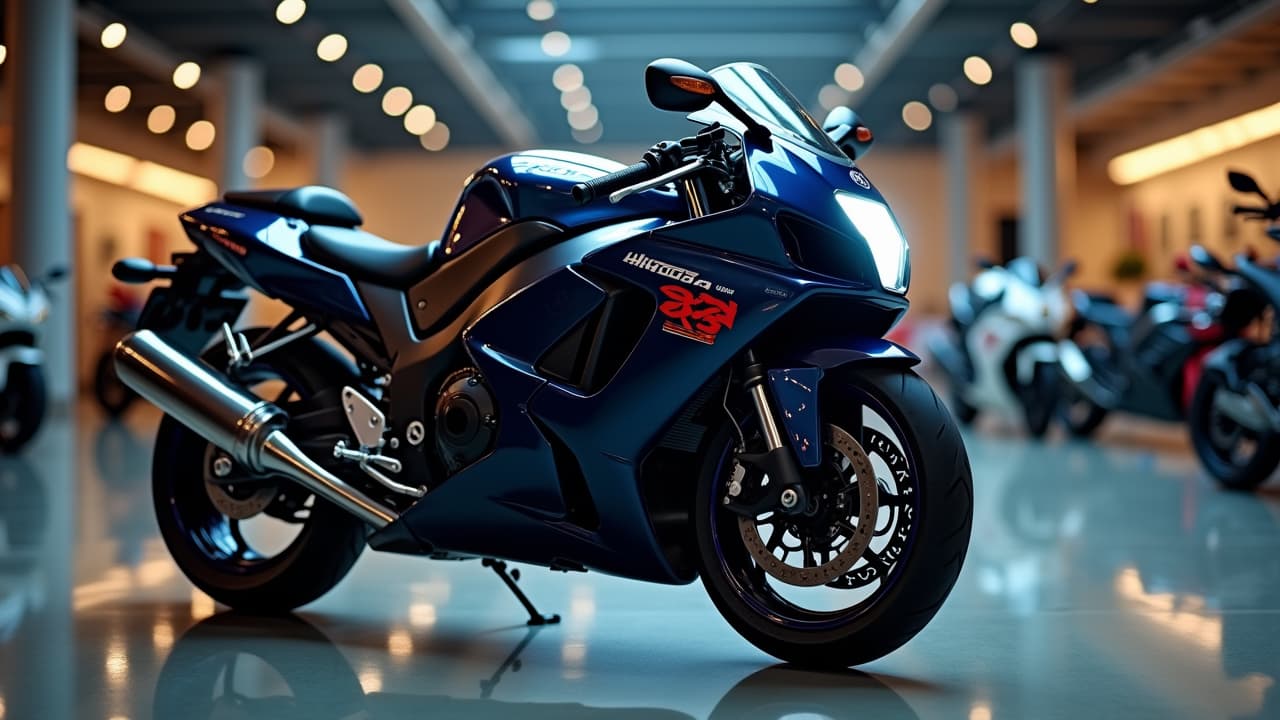
    The Suzuki Hayabusa 2025 carries that unmistakable curvy silhouette that fans have adored since day one. But it’s been tweaked. Just enough to make it feel futuristic while still giving off that “Don’t mess with me” aura. It’s got sleeker LED headlights, a tighter tail section, and a more aerodynamic fairing. The kind that whispers speed even when the bike’s just parked outside a cafe.

    Suzuki didn’t try to reinvent the wheel here. They knew what worked. So they stuck with the DNA and simply sharpened the edges. And honestly? That’s exactly what a legend deserves.

    Tata Harrier EV: The Future of Electric SUVs in India

    What’s Under the Hood (Or, Y’know, Tank)

    Here’s where things get juicy.

    The Suzuki Hayabusa 2025 still runs on its glorious 1340cc, inline-four engine. No turbo, no electric gimmicks — just raw mechanical power the way bike gods intended. You’re getting 190 PS and 150 Nm of torque, which might sound like numbers until you twist that throttle and feel your soul leave your body.

    And the suzuki hayabusa maximum speed? Yeah, it’s still that fast. Officially, it’s capped at 299 km/h thanks to electronic limits, but we all know this beast can do more if it were set free. It’s like giving a lion a leash — powerful, but not quite wild. Still, for most of us mortals, that’s more than enough to make your helmet scream.

    Not Just Fast. Smart Too.

    Now here’s the thing: the 2025 Hayabusa isn’t all brawn. It’s brains too.

    Suzuki’s loaded this monster up with their Intelligent Ride System (SIRS). Which is basically a fancy way of saying: “Hey, we gave you launch control, traction control, engine braking modes, cornering ABS, cruise control, and a bunch more nerdy rider aids.” And you know what? It works.

    Whether you’re a newbie superbike rider or someone who’s been doing this for decades, these features keep things under control when the adrenaline kicks in. Plus, there’s a gorgeous TFT display now. Finally, a dashboard that feels worthy of the bike it’s sitting on.

    Big Bike, Balanced Feel

    Let’s not sugarcoat it — this bike’s a unit. The suzuki hayabusa weight is 266 kg (kerb), which is a lot. But weirdly, it doesn’t feel that heavy once you’re moving. The low center of gravity, combined with a seriously well-engineered chassis, makes it surprisingly agile.

    Whether you’re carving through corners or blasting down a highway, it remains planted. And with Brembo Stylema brakes and Bridgestone Battlax Hypersport tires doing the stopping and gripping, the bike feels way more in control than you’d expect for something this massive.

    Yamaha RX 100: The Legendary Bike That Defined a Generation

    So, What’s the Damage? (AKA Suzuki Hayabusa On Road Price)

    Ah yes — the wallet check.

    In India, the Suzuki Hayabusa on road price floats around ₹18.50 to ₹19.25 lakh depending on your state and city. That includes RTO, insurance, and a little chunk of your soul. Joking (kinda). It’s expensive — no denying that. But also… you’re not just buying a bike. You’re buying the Hayabusa. That name alone carries weight.

    Let’s be real: there are faster bikes now. Lighter ones too. But none that have the same aura. None that make heads turn quite like this one.

    Why the Hayabusa Still Hits Different

    Here’s what you need to understand: riding the Suzuki Hayabusa bike is a feeling. It’s that deep growl of the exhaust, the way the wind slaps your shoulders at 200+ km/h, the sideways glances from people at traffic lights. It’s not just about getting from point A to point B. It’s about how you get there.

    And with this 2025 update, Suzuki hasn’t just kept the Hayabusa relevant — they’ve elevated it. You still get that signature performance, but now it’s packed with the safety and tech that today’s riders need.

    Rolls-Royce Cullinan: The Pinnacle of Luxury SUVs

    Final Thoughts: The Legend Still Roars

    The Suzuki Hayabusa 2025 isn’t trying to be a different bike. It’s not chasing trends. It’s staying true to its roots, but adapting just enough to remain a force in today’s hyperbike landscape.

    Sure, it’s heavy. Sure, it’s pricey. And no, it doesn’t have the cutting-edge gimmicks that some newer bikes push. But if you want something that blends old-school cool with modern-day power and control — the Hayabusa still stands tall.

    It’s the kind of bike you don’t just ride. You own it. And maybe, just maybe, it ends up owning a little piece of you too.

  • Tata Harrier EV: The Future of Electric SUVs in India

    Tata Harrier EV: The Future of Electric SUVs in India

    So, here’s the thing — Tata’s been on a roll with electric vehicles lately. First came the Nexon EV. Then the Tiago EV. And now? The much-hyped Tata Harrier EV is gearing up for its big entry. And let me tell you — it’s not just another SUV with a battery slapped on. This one’s got some serious EV chops.

    Expected to hit the roads in 2025, the Harrier EV isn’t just about ditching the diesel. It’s about stepping into the future — electric, connected, rugged, and loaded with tech. Whether you’re a hardcore SUV fan or someone just trying to go green, this might just check all your boxes.

    The Harrier EV: What’s the Big Deal?

    Well, for starters, it’s not your regular “take the diesel and electrify it” job. Nope. This one’s built on Tata’s Gen 2 EV architecture — derived from the robust Omega Arc platform — and it’s designed specifically to be electric. That means better space inside, tighter battery integration, and a structure that actually makes sense for an EV.

    Plus, it’s got that bold Harrier stance we all love — just way more futuristic. Clean lines, an illuminated front grille, and those slick LED DRLs? Chef’s kiss.

    Yamaha RX 100: The Legendary Bike That Defined a Generation

    Tata Harrier EV Price in India: Let’s Talk Numbers

    Alright, let’s address the elephant in the room — the price.

    As of now, there’s no official number. But based on what Tata’s been doing and where the Harrier EV sits in the lineup, you can expect the Tata Harrier EV price to land somewhere around ₹30 to ₹38 lakhs (ex-showroom). Yep, it’s not exactly budget territory, but you’re also getting a ton for that money.

    Think of it as Tata’s answer to the MG ZS EV, Hyundai Kona Electric, and even the BYD Atto 3. And let’s be honest — with Tata’s knack for pricing EVs competitively, it might just surprise us.

    Battery Capacity & Motor: Power That Packs a Punch

    Now, onto the real juice — literally. The Tata Harrier EV battery capacity is rumored to be somewhere between 60 to 70 kWh. That’s pretty generous for an electric SUV of this size.

    But wait — it gets better.

    We’re talking about a dual motor setup, with all-wheel-drive (AWD) capability. Translation? More power, better grip, and a seriously fun driving experience. Expect something north of 200 PS, which is plenty for city cruising and even the occasional off-road detour.

    And of course, Tata’s Ziptron tech will make sure you’re getting smooth performance, solid reliability, and efficiency that doesn’t suck.

    Tata Harrier EV Range & Mileage: How Far Can It Go?

    This is the big one for most EV buyers: range.

    Now, no one wants to be stuck hunting for a charger in the middle of nowhere. So, it’s good to know that the Tata Harrier EV range is expected to be around 450–500 km under standard test conditions. Real-world? Probably closer to 400–450 km, depending on how heavy your foot is on that accelerator.

    And in terms of mileage, well — EVs don’t do km/litre, obviously. But if we’re comparing energy efficiency, you might see around 6–7 km per kWh, which is solid for something this big.

    Plus, you’ll get fast charging — likely 50 kW or higher — so a quick top-up at your local DC charger won’t take all day.

    Rolls-Royce Cullinan: The Pinnacle of Luxury SUVs

    Interior Vibes: Where Rugged Meets Premium

    Okay, can we talk about the cabin? Because the Tata Harrier EV interior is shaping up to be seriously plush.

    From the early teasers and leaks, it looks like Tata is going all out. We’re expecting a dual-tone interior, eco-friendly materials (because, you know, sustainability), and that minimalist dashboard vibe.

    But it’s not just about looks.

    You’ll probably get a 12.3-inch infotainment system, a fully digital driver display, and wireless Apple CarPlay + Android Auto. Not to mention stuff like:

    • Panoramic sunroof (because that’s basically standard now)
    • Ventilated front seats (yes, please)
    • Touch-based climate controls
    • JBL speakers
    • 360-degree camera
    • Wireless phone charger

    And hey, rumor has it Tata’s even working on an advanced voice assistant that actually works. Fingers crossed.

    Safety & ADAS: Smarter and Safer

    Tata’s not playing around with safety either. The Harrier already had solid crash test ratings, and the EV version is expected to do even better.

    We’re talking about Level 2 ADAS features here — stuff like:

    • Lane keep assist
    • Adaptive cruise control
    • Blind spot monitoring
    • Rear cross-traffic alert
    • Autonomous emergency braking

    Basically, a whole suite of stuff that helps you avoid trouble before it happens. It’s the kind of smart safety tech you want, especially when your family’s in the car.

    Royal Enfield Classic 350: A Timeless Icon Reimagined

    When Is It Launching?

    The Tata Harrier EV launch date hasn’t been nailed down, but all signs point to early or mid-2025. Given how often Tata teases things right before launch, we might start seeing more solid updates soon.

    The good news? Tata’s been expanding its EV infrastructure, so when this SUV does launch, you’ll (hopefully) have a lot more fast-charging stations to use across cities and highways.

    Final Thoughts: Should You Wait for the Tata Harrier EV?

    Short answer? Yes. 100%.

    If you’re in the market for a premium electric SUV that’s stylish, powerful, feature-rich, and Indian-made, the Tata Harrier EV 2025 might just be your dream drive. It’s bold. It’s smart. And it’s electric — without feeling like a compromise.

    Sure, the price is on the higher side, but when you stack up the features, performance, and the brand’s EV track record? It starts to make a lot of sense.

    So, whether you’re planning a switch from diesel or just want to embrace the electric revolution — the Harrier EV is definitely worth the wait.

    FAQs

    What is the Tata Harrier EV price expected to be?

    Somewhere between ₹30–38 lakhs, depending on the variant.

    How much range will the Harrier EV offer?

    Expect around 450–500 km officially. Real-world range should be close to 400+ km.

    What’s the battery capacity of the Tata Harrier EV?

    Estimated to be around 60 to 70 kWh.

    What interior features are included?

    Ventilated seats, digital displays, panoramic sunroof, wireless connectivity, JBL sound system, and more.

    When will Tata Harrier EV launch in India?

    Likely in the first half of 2025.

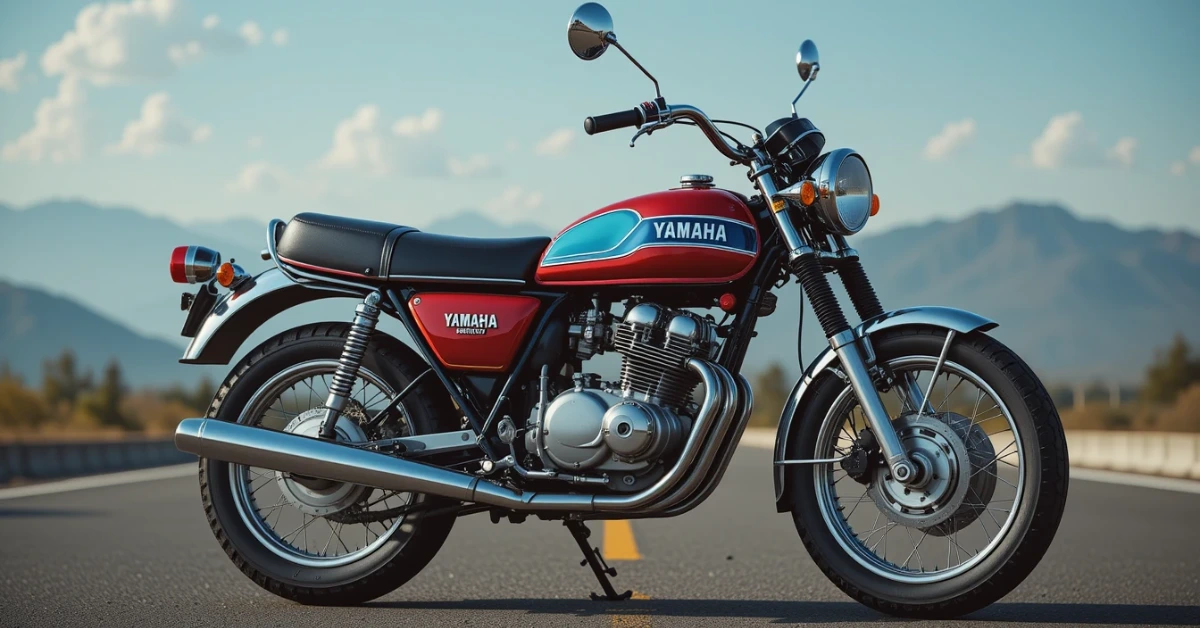
  • Yamaha RX 100: The Legendary Bike That Defined a Generation

    Yamaha RX 100: The Legendary Bike That Defined a Generation

    Some bikes just… stay with you, you know? Long after they stop rolling off production lines, they keep thumping in the hearts of riders. The Yamaha RX 100 is one of those. Ask any 90s kid with a passion for speed, and they’ll probably tell you stories of that raw, raspy exhaust note and its wild acceleration. And guess what? Rumor has it—the RX 100 might just make a comeback.

    Yeah, you heard that right. A new Yamaha RX 100 is apparently in the works, and let’s just say the excitement is real.

    The Good Old Days of the RX 100

    If you grew up around motorcycles in India, you know what the RX 100 meant. It wasn’t just a bike—it was a statement. Introduced in the mid-80s, the RX 100 had a 98cc two-stroke engine that could leave bigger bikes in the dust. It was lightweight, fast, and had that no-nonsense, mechanical feel that most of today’s bikes seem to lack.

    Sure, it guzzled fuel like nobody’s business, but that didn’t matter. Because when you twisted that throttle, it responded—quick, loud, and unapologetically aggressive. Unfortunately, due to stricter emission norms and the eventual ban on two-stroke engines, Yamaha pulled the plug on it in the 90s.

    But did people stop loving it? Nope. In fact, the Yamaha RX 100 bike became something of a collectible. You’ll still find enthusiasts restoring them with original parts or spending way too much on a well-kept unit just to feel that old-school magic again.

    Rolls-Royce Cullinan: The Pinnacle of Luxury SUVs

    So, Is the New Yamaha RX 100 Really Coming?

    Okay, let’s talk about the buzz. Over the past year or two, Yamaha India has dropped hints. Not exactly screaming “it’s coming,” but enough to get the rumor mill turning. The company has acknowledged that the RX 100 brand has insane nostalgic value, and they’re exploring ways to reintroduce it in a modern, BS6-compliant format.

    Now, don’t expect a two-stroke rocketship again. That’s not happening. But Yamaha could slap the RX 100 badge on a 125cc or maybe even a 150cc four-stroke engine. Of course, it won’t feel exactly like the original, but with clever tuning, retro styling, and modern features, they might just strike the right balance.

    And let’s be honest—half the thrill is in the name itself.

    Yamaha RX 100 Price – What Are We Looking At?

    Back in its glory days, the RX 100 cost around ₹20,000. Crazy, right? Today, if you find one in mint condition, it could set you back over ₹1 lakh. Some people even pay more, just for that perfect engine note and chrome-finished tank.

    For the Yamaha RX 100 new model, insiders suggest it might be priced between ₹1.25 lakh and ₹1.5 lakh (ex-showroom). Sounds steep for a small-capacity bike? Maybe. But consider this: it’s not just a bike—it’s a legacy. And legacies, well, they come at a premium.

    That said, Yamaha will still have to be smart. At that price point, the bike will compete with feature-rich options like the Bajaj Pulsar NS125 and Hero Xtreme 125R. But nostalgia can’t be measured in specs, can it?

    Royal Enfield Classic 350: A Timeless Icon Reimagined

    Mileage – Will the New RX 100 Drink Fuel Like the Old One?

    Let’s be real—the original RX 100 wasn’t built for fuel economy. It was built for thrill. It gave you something like 30–35 kmpl if you rode it gently (which, let’s face it, most people didn’t).

    The new Yamaha RX 100, being a four-stroke and probably fuel-injected, should be a lot more efficient. Early estimates suggest around 45 to 55 kmpl, which is decent enough for daily use without killing the fun factor.

    Of course, it all depends on how Yamaha tunes it. If they go too soft, it’ll lose that edge. But if they balance it right… oh boy, we’re in for a treat.

    Yamaha RX 100 Maximum Speed – Still a Pocket Rocket?

    Back in the day, the RX 100 would hit 100–110 km/h without breaking a sweat. And the way it got there? Instant. No lag. Just raw pull.

    The new RX 100’s top speed will depend on its final engine spec, but something around 110–115 km/h seems likely. It may not sound groundbreaking in 2025, but it’s more about how it feels. Yamaha has always nailed throttle response, and if they get this right again, riders are gonna have a blast.

    Why the RX 100 Still Matters Today

    Let’s be honest—biking has changed. Everything’s more refined now. More efficient. Quieter. Safer. But somewhere along the way, we lost a bit of that soul. That rough-around-the-edges charm that bikes like the RX 100 had.

    Bringing the RX 100 back isn’t just about filling a segment. It’s about bringing back that emotion that people felt when they first kicked it to life. It’s about building a bike that makes you grin under your helmet, even at 40 km/h in second gear.

    For young riders, the new RX 100 could be their first taste of what biking used to feel like. And for the older ones, it’s a sweet slice of nostalgia—with fewer oil stains.

    Ather Rizta: The Ultimate Electric Scooter for Daily Commutes

    Final Thoughts

    So, is the Yamaha RX 100 coming back? All signs point to yes—but nothing’s confirmed just yet. Still, the Yamaha RX 100 new model has the potential to shake up the commuter segment if it can deliver both performance and emotional appeal.

    From the Yamaha RX 100 price to mileage, top speed, and everything in between, there’s a lot of curiosity (and hype). And frankly, Yamaha would be crazy not to capitalize on it.

    Whatever the final version looks like—if it carries that same wild spirit in a cleaner, smarter avatar—it’ll be a win. A win for Yamaha. And a huge win for all of us waiting to feel that magic again.

  • Rolls-Royce Cullinan: The Pinnacle of Luxury SUVs

    Rolls-Royce Cullinan: The Pinnacle of Luxury SUVs

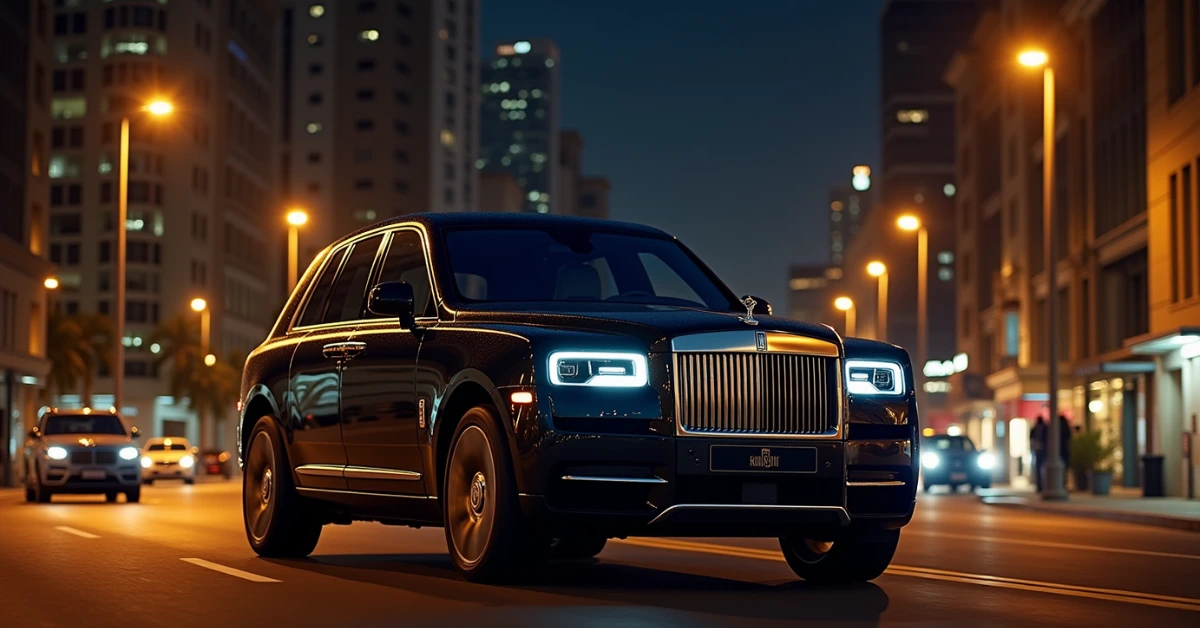
    Let’s be honest—when you hear the name Rolls-Royce Cullinan, subtlety probably isn’t the first thing that comes to mind. It’s not supposed to be. The Cullinan is bold, unapologetically luxurious, and, in 2025, even more refined than before. It’s the kind of vehicle you don’t just drive—you arrive in it.

    And sure, there are plenty of luxury SUVs out there today. But none of them come close to what this thing offers. The 2025 Cullinan isn’t just an upgrade. It’s a statement. A rolling palace built for those who prefer to travel at the peak of comfort—without ever needing to say a word about it.

    So, What’s New in the 2025 Rolls-Royce Cullinan?

    Well, at first glance, not much has changed—and that’s kind of the point. Rolls-Royce isn’t in the habit of chasing trends. They set them. The 2025 Rolls-Royce Cullinan maintains its familiar, majestic silhouette. But look closer and you’ll spot sharper details in the grille, subtle refinements in the lighting elements, and new custom finishes that take bespoke to the next level.

    Under the hood? The same glorious 6.75-liter twin-turbocharged V12 engine that makes driving feel less like motion and more like floating. And that’s no exaggeration. With the brand’s “Magic Carpet Ride” suspension system, it literally feels like the car is gliding over clouds—even if you’re rolling down pothole-ridden backroads.

    Royal Enfield Classic 350: A Timeless Icon Reimagined

    It’s not all about the looks or the ride, though. The tech’s gotten an upgrade too. More connectivity. Smarter voice commands. A more intuitive infotainment system that actually works the way you’d expect it to. Nothing showy—just smoother, smarter, and more seamless.

    Inside the Cabin: Rolls-Royce Cullinan Interior is a Dream Come True

    If you’ve never sat inside a Cullinan, you’re missing out on what might be the quietest and most indulgent interior in the automotive world. Seriously, the Rolls-Royce Cullinan interior feels like a five-star hotel suite on wheels.

    Everything—everything—feels tailored. The leather? Supple and stitched by hand. The wood? Hand-polished and real, obviously. Even the carpet under your feet is so plush it makes your living room feel cheap.

    And then there’s the Starlight Headliner, that fiber-optic ceiling that mimics the night sky. Is it necessary? Not even a little. Is it breathtaking? Every single time.

    One of the coolest features? The “Viewing Suite.” Press a button, and two leather-wrapped seats pop out of the back with a cocktail table between them. Perfect for watching the sunset or sipping champagne at a polo match—if that’s your thing.

    What’s the Rolls-Royce Cullinan Price in 2025?

    Let’s not beat around the bush here—this isn’t a budget buy. The 2025 Rolls-Royce Cullinan price starts at around $390,000, but that’s just the beginning. The truth is, most people end up spending quite a bit more, thanks to the endless customization options.

    And really, that’s part of the appeal. No two Cullinans are alike. Want your initials stitched into the seats? Done. Fancy a paint color that matches your favorite handbag? Rolls-Royce will make it happen. The car becomes yours in every possible way. And that’s what you’re paying for—not just luxury, but legacy.

    Ather Rizta: The Ultimate Electric Scooter for Daily Commutes

    Performance You Can’t Hear, But You’ll Feel

    You’d expect a vehicle this size to feel bulky or slow. But that’s not the case. Not at all. The Cullinan handles like a dream, thanks to its intelligent all-wheel drive and four-wheel steering. Cornering feels almost… elegant? Yeah, that’s a weird word to use for driving, but it fits.

    The engine doesn’t roar. It hums. It purrs. And yet, it delivers serious power on demand. Whether you’re cruising a smooth highway or heading up a gravel mountain path, it never seems out of place.

    And let’s not forget about comfort. The Cullinan doesn’t just absorb bumps—it seems to erase them from existence. You could be drinking tea in the back seat, and not a drop would spill.

    The 2025 Rolls-Royce Cullinan Isn’t for Everyone—And That’s the Point

    Let’s be real—most people will never sit in a Cullinan, let alone own one. And Rolls-Royce is totally fine with that. This isn’t about mass appeal. It’s about reaching the handful of people in the world who want the best and won’t settle for anything less.

    The Rolls-Royce Cullinan 2025 stands at the peak of the SUV pyramid. It’s not just about getting from point A to point B. It’s about doing so in absolute, unapologetic style. While other luxury SUVs like the Bentley Bentayga or the Maybach GLS offer impressive features, they still feel a bit… ordinary in comparison.

    The Cullinan? It’s extraordinary, in every sense of the word.

    Tesla Model Y: The Ultimate Guide to Tesla’s Best-Selling SUV

    Final Thoughts: Is the Cullinan 2025 Worth It?

    That depends. If you’re looking for practical value or fuel economy, this isn’t your ride. But if you’re someone who values comfort, craftsmanship, and prestige—real prestige—then yes. The 2025 Rolls-Royce Cullinan is worth every penny. Maybe more.

    Because at the end of the day, this isn’t just a car. It’s a work of art. A moving sculpture. A mobile throne.

    And honestly? Once you’ve been inside one, everything else feels like a compromise.

  • Royal Enfield Classic 350: A Timeless Icon Reimagined

    Royal Enfield Classic 350: A Timeless Icon Reimagined

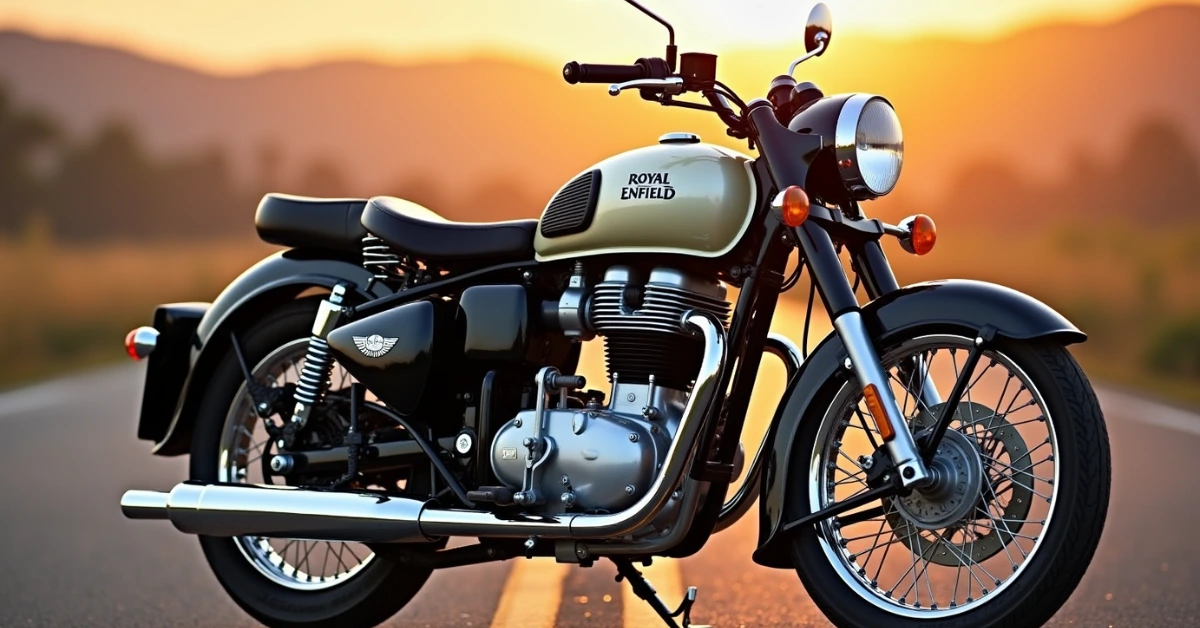
    There’s something about the Royal Enfield Classic 350. Maybe it’s the unmistakable thump. Or that old-school British look. Or how it makes you feel like you’re riding through a piece of history. Whatever it is — this machine still owns the road. It’s not just a bike; it’s a vibe. And if you’ve been eyeing it, wondering about the on-road price, mileage, weight, or color options… well, you’re in the right place.

    So, let’s dive in. This isn’t your usual specs-dump — it’s a real look at what it’s like to live with the Classic 350 in 2025.

    Built on Legacy — But With a Modern Touch

    First off, yes — it’s still the Classic. That old-world charm is intact. But under the surface? Things have changed quite a bit. And in a good way.

    The newer Royal Enfield Classic 350 runs on the J-series platform (same as the Meteor 350). That means a 349cc air-oil cooled engine, pushing out about 20.2 bhp and 27 Nm of torque. It’s not a rocket, but that’s not the point. The Classic isn’t about speed — it’s about soul. Smooth power delivery, less vibration (a big upgrade, honestly), and a ride that feels right. Whether you’re cruising through city traffic or stretching its legs on an open highway, the bike just… flows.

    What’s the Royal Enfield Classic 350 Price On Road?

    Ah, the big question — money.

    The on-road price depends on where you live, thanks to taxes and whatnot. But to give you a ballpark: you’re looking at around ₹2.10 lakh to ₹2.45 lakh across most major cities in India. That includes everything — insurance, RTO charges, and registration. No surprise bills.

    For example:

    • In Delhi, it’s roughly ₹2.18 to ₹2.45 lakh.
    • In Mumbai? About ₹2.22 to ₹2.48 lakh.
    • Bangalore’s a bit higher — ₹2.25 to ₹2.50 lakh.

    Just keep in mind: these prices can shift a bit over time. Always best to check with your local dealer before signing anything.

    How to Do Online Car Insurance Renewal in India – Step-by-Step Guide

    And What About the Royal Enfield Classic 350 Mileage?

    Now, let’s talk fuel. Because let’s be honest — with fuel prices these days, mileage matters.

    The Classic 350 mileage has improved a fair bit in the new version. Thanks to that refined engine, you’ll see something around 35 to 40 km/l. Not bad for a 195 kg machine, right?

    In the city, where you’re dealing with stop-and-go traffic, expect the lower end of that range. But hit the highway, keep a steady pace, and you might just stretch it a bit more. With its 13-litre fuel tank, you’re getting a range of 450+ km. Pretty solid for weekend rides or even longer road trips.

    Speaking of 195 Kg… Yeah, That’s the Royal Enfield Classic 350 Weight

    This bike isn’t light. And honestly, it’s not trying to be.

    The kerb weight of the Classic 350 is around 195 kg. Yep, it’s heavy. But that heft gives it a grounded, planted feel — especially on highways. You feel secure. Stable. It doesn’t wobble or twitch at higher speeds like some lightweight bikes do.

    Now, if you’re a beginner or on the shorter side, it might feel a bit intimidating at first. But give it a week. The low seat height (805 mm) and balanced frame make it manageable pretty quickly. The weight is well-distributed, so it doesn’t feel like a struggle at every red light.

    So Many Colors. So Many Vibes. (And Yep, Prices Vary Too)

    Let’s be real — half the reason you want a Classic 350 is because of how damn good it looks. And Royal Enfield knows that. That’s why the bike comes in a whole bunch of colour variants — each one with its own vibe and pricing.

    Here’s the lowdown on colour Royal Enfield Classic 350 price breakdown:

    • Redditch Series (like Halcyon Black or Halcyon Green): starts around ₹1.93 lakh ex-showroom.
    • Signals Edition (Desert Sand, Marsh Grey): about ₹2.10 lakh.
    • Dark Series (Gunmetal Grey, Stealth Black): approx ₹2.17 lakh.
    • Chrome Series (Chrome Red, Chrome Bronze): ₹2.25 lakh and up.

    The Chrome Series? That’s the flashy one — premium touches, lots of shine, dual-channel ABS, and the kind of paint job that turns heads at traffic lights. But even the base variants look gorgeous. You really can’t go wrong.

    Suzuki Access Beats Activa & Jupiter! Is This India’s No. 1 Scooter?

    Why People Still Love the Classic 350

    It’s hard to explain unless you’ve ridden one.

    This isn’t the fastest bike. Or the lightest. Or the most high-tech. But what it is — is honest. Pure. It’s the kind of motorcycle that doesn’t just get you from A to B — it makes you feel something while you ride.

    There’s a reason why people hang onto their Classics for years. Or why they customize them, give them names, ride them across states. This bike becomes a part of your story. It’s more than a machine. It’s a companion.

    And now that it’s smoother, more refined, and just as iconic — it’s probably better than ever before.

    Hero Xpulse 421 – The Ultimate Adventure Machine is Here!

    Final Thoughts

    The Royal Enfield Classic 350 isn’t for everyone — and that’s kind of the point.

    It’s for riders who appreciate the journey. Who don’t mind taking the long way home. Who like their bikes with a bit of history, a bit of weight, and a whole lot of character.

    With an on-road price that’s still reasonable, respectable mileage, a strong build, and color options to match your personality — this bike continues to live up to its name: Classic.

    Thinking of getting one? Go for a test ride. You’ll know in the first 30 seconds if it’s for you. And if it is — welcome to the brotherhood.

  • How to Clean Bike Chain at Home

    How to Clean Bike Chain at Home

    So, your bike chain’s looking grimy? Yeah, it happens. Whether you ride daily or just take it out on weekends, your chain picks up all sorts of junk—dirt, dust, dried-up lube, maybe even some mystery goo. And if you ignore it for too long?

    You’re basically inviting poor performance and a noisy, creaky ride. The good news? You can absolutely clean your bike chain at home without needing a mechanic or expensive tools. Seriously, you don’t need to overthink it.

    Let’s talk real-world chain cleaning—the kind you can do in your backyard, garage, or heck, even your balcony with a few household items.

    Why Even Bother Cleaning the Chain?

    Look, your bike’s chain is its heartbeat. When it’s clean and well-oiled, the whole thing runs like butter. But when it’s gunked up? You’re fighting friction every time you pedal. That squeaky, sluggish feeling? Yeah, that’s the chain crying out for help.

    Besides, a dirty chain wears out your cassette, chainrings, and derailleur faster than you’d think. And those parts aren’t cheap. So learning how to clean a bike chain at home isn’t just good practice—it’s kinda essential.

    BE6 Mahindra: The Electric SUV That Might Just Flip the Game in India

    What You’ll Need (Don’t Worry, It’s Mostly Stuff You Already Own)

    Alright, before you get started, here’s a quick mental checklist. You don’t need a professional-grade chain scrubber (unless you want one). A lot of folks get by just fine with basic things like:

    • An old toothbrush
    • Dish soap or degreaser
    • A rag or two
    • A small bowl or bucket
    • Water (warm is better)
    • Some chain lube (don’t skip this)

    Got most of that? Sweet. You’re ready.

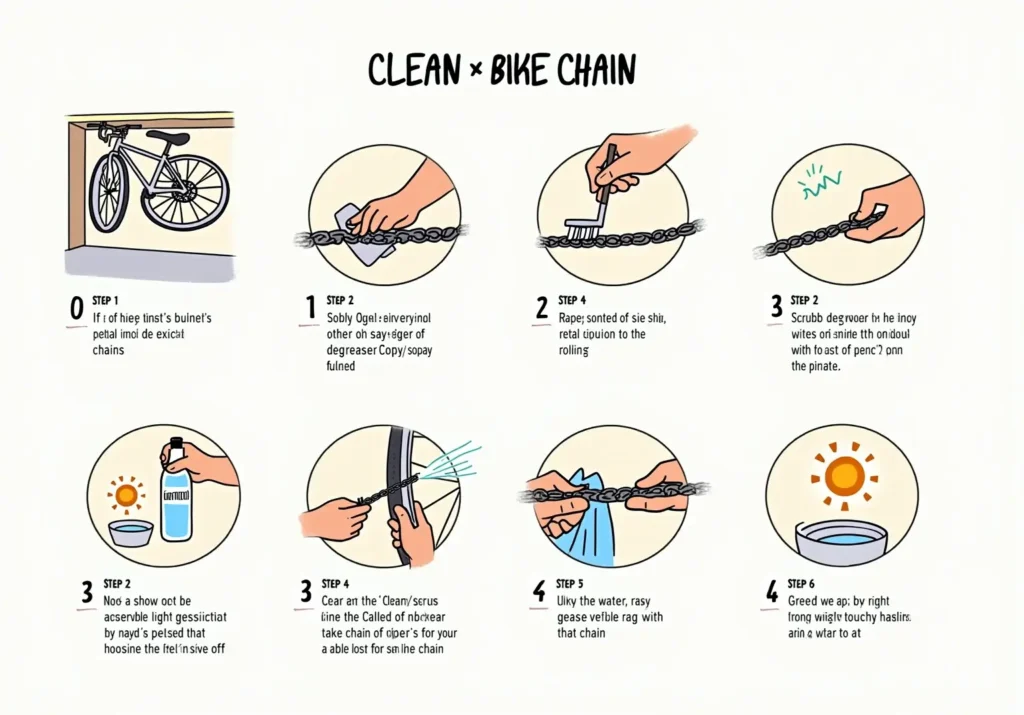
    Steps to cleaning bike chain

    Step 1: Set Up Your Bike

    This one’s simple. Either pop your bike on a stand (if you’ve got one) or flip it upside down so the wheels spin freely. Just make sure it’s stable. You don’t want it tipping over mid-clean—trust me, it’s annoying.

    Step 2: Degrease Like You Mean It

    Grab your degreaser or mix a bit of dish soap with warm water. Apply it directly to the chain. Some people use spray bottles; others just dip their brush and scrub. Either way works. Let it sit for a minute or two. That’ll loosen the grime and all that built-up grease.

    And hey, don’t forget the inner links—where the rollers are. That’s where most of the junk hides.

    Step 3: Get in There and Scrub

    Use your toothbrush (the one you’re not planning to use ever again) and start scrubbing. Hold it against the chain and backpedal slowly. You’ll see the grime come off in streaks—satisfying, isn’t it?

    Don’t rush this part. A few extra minutes here make a world of difference. If things get messy—good. That means it’s working.

    Step 4: Wipe and Rinse

    Once it’s looking cleaner, wipe the chain with a damp cloth to get the leftover degreaser off. Some folks like to rinse it with water, but if you do, make sure to dry it really well afterward. Water + metal = rust. And rust is a no-go.

    Step 5: Dry It Like You Mean Business

    Use a clean, dry rag and run the chain through it a few times while spinning the pedals backward. Do it until the chain’s dry to the touch. If it’s humid out, maybe give it a few minutes to air-dry too. Moisture’s sneaky. Don’t let it linger.

    Step 6: Lube It Up

    This step right here? It’s what makes the whole cleaning job actually matter. Take your bike chain lubricant—dry lube for dry places, wet lube for rainy or muddy rides—and apply a drop on each chain link while slowly turning the pedals.

    Let it sit for a bit—like, five minutes or so—then grab a cloth and wipe off the excess. You don’t want your freshly cleaned chain turning into a dirt magnet again.

    How Often Should You Do This?

    Honestly, it depends. If you’re riding in dusty or muddy areas, every week or two is ideal. If you’re more of a weekend rider on clean roads, once a month should do. The real trick? Just look at your chain. If it’s black, sticky, or loud—it needs some love.

    The Best SUV Under 15 Lakhs in 2025: Real Talk for Real Buyers

    A Few Real-World Tips From One Rider to Another

    • WD-40? Great for loosening bolts, not so great as a chain lube.
    • Avoid pressure washers unless you’re super careful—they’ll blast water into places it shouldn’t go.
    • Cleaning your drivetrain (not just the chain, but the cassette and chainrings too) once in a while keeps things smoother, longer.
    • Keep a rag handy for a quick wipe-down after rides. It helps a lot more than you’d think.

    Final Thoughts: It’s Easy. Don’t Overthink It.

    You don’t need to be a bike nerd or mechanic to take care of your chain. It’s one of the simplest things you can do to keep your ride smooth, efficient, and fun. Just 20 minutes every few weeks can make your bike feel brand new again.

    So next time your bike’s sounding a bit off or feeling sluggish, don’t just power through it. Stop. Give that chain a clean. Your legs (and your wallet) will thank you.

  • Royal Enfield Hunter 350: A Game-Changer in the Cruiser Segment

    Royal Enfield Hunter 350: A Game-Changer in the Cruiser Segment

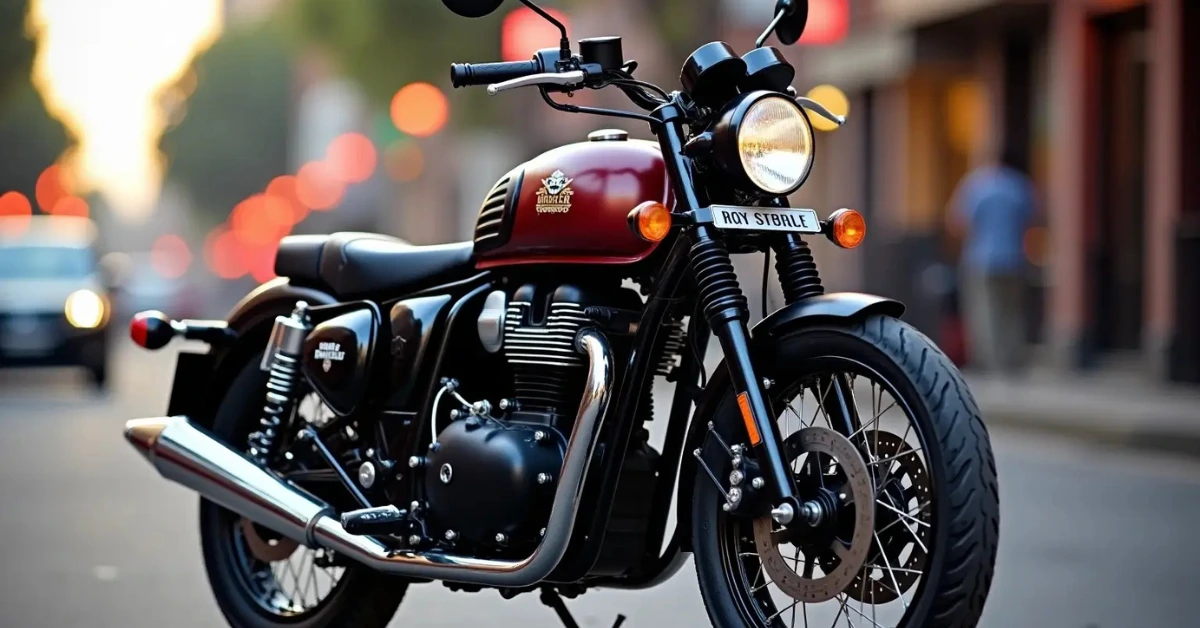
    Alright, let’s not sugarcoat it — Royal Enfield has been on a roll lately. And with the Hunter 350, they’ve thrown a bit of a curveball. This one’s not your typical Enfield cruiser. Nope. It’s leaner, meaner (well, kinda), and built for the hustle of city life. But guess what? It still carries that good ol’ thump. You know, the one that makes heads turn at traffic lights?

    Now, before you dive into specs and pricing, let’s just get one thing out of the way — the Royal Enfield Hunter 350 is not trying to be a highway muncher or a weekend-only showpiece. It’s that bike you’ll ride every damn day. To college. To work. Or just for the heck of it.

    Design That Doesn’t Try Too Hard (But Nails It Anyway)

    The Hunter’s styling? It’s a sweet mash-up of retro roadster and urban streetfighter. That circular headlamp, chunky fuel tank, and those tight proportions — they scream “I’m different” without being too loud about it. And let’s not forget the curved side panels and minimal rear end. Pretty slick.

    Compared to the Classic 350, this one’s definitely more compact. The stance is tighter. The ergonomics? More upright, more responsive. You sit straight, the bars fall right into your hands, and the whole thing just feels… right.

    And oh, the Royal Enfield Hunter 350 weight? It tips the scale at about 181 kg, which is actually quite light by RE standards. That makes it a breeze to maneuver, especially if you’re new to heavier motorcycles.

    TVS Raider 125: Power, Style, And Technology In 2025

    The Engine’s Familiar, But the Feel’s Fresh

    Under the tank, you’ll find the same 349cc air-oil cooled engine that powers the Classic and Meteor. Some folks might roll their eyes at that, but hey — it works. It’s smooth, refined, and surprisingly punchy in the low and mid-range. You’re looking at about 20.2 bhp and 27 Nm of torque, and yeah, it’s not earth-shattering… but that’s not the point.

    See, this bike’s not built for top speed. It’s built for real-world riding — weaving through traffic, quick overtakes, and weekend chill sessions. And it does all that without breaking a sweat.

    And speaking of real-world stuff — the Royal Enfield Hunter 350 mileage? It hovers around 35 to 40 km/l, depending on how heavy your right wrist is. Respectable, right?

    Handling: Surprisingly Nimble (No, Really)

    So here’s where the Hunter throws a nice little surprise. It handles great. Like, you actually want to throw it into corners and zigzag through morning traffic. The 17-inch wheels, short wheelbase, and relatively upright geometry make it super flickable.

    Braking duties are handled by discs on both ends with dual-channel ABS, and while it’s not “stop-on-a-dime” sharp, it’s more than enough for daily use. And the suspension? It’s tuned more toward comfort than aggression, but it still manages to stay composed when things get bumpy.

    Simply put — it’s fun. Like, “I’ll take the long route just because” kind of fun.

    TVS Apache RTR 160 4V: A Comprehensive Review

    Features: Just the Right Amount of Modern

    Now don’t expect a tech overload here. This ain’t no touchscreen dashboard party. What you get is a semi-digital instrument cluster — analog speedo with a small digital display that shows your gear, trip, time, fuel level, etc.

    Want Bluetooth nav? The Metro variant gets Royal Enfield’s Tripper Navigation pod, which pairs with your phone for turn-by-turn directions. It’s neat. Doesn’t try to do too much, which is kind of the whole vibe of this bike anyway.

    Price: Affordable Enough to Make You Think Twice

    Let’s talk money. The Royal Enfield Hunter 350 price in India starts around ₹1.49 lakh (ex-showroom) and goes up to ₹1.74 lakh, depending on which trim you pick — Retro, Metro Dapper, or Metro Rebel.

    And for the full picture, the Royal Enfield Hunter 350 on road price lands somewhere between ₹1.70 lakh to ₹2.05 lakh, depending on your city and taxes. Pretty reasonable, especially for a brand like RE.

    That puts it in direct competition with the likes of the TVS Ronin, Jawa 42, and even some 250cc machines. But honestly? None of them carry the same mix of street presence and heritage that the Hunter pulls off.

    Hunter 350 vs Classic 350 – Which One’s for You?

    Ah, the million-rupee question.

    Both bikes share the same engine, but they ride nothing alike. The Classic 350 is more relaxed, heavier, and leans toward old-school cruising. It’s the “Sunday breakfast ride” type of bike.

    The Hunter 350? It’s got more city swagger. It’s lighter, quicker on the throttle, and way easier to toss around. It’s the bike for the guy or girl who wants that Royal Enfield badge without all the bulk.

    So, if you’re young (or young at heart), ride mostly in the city, and want something that feels agile yet premium — Hunter’s your jam.

    Hero Xpulse 400: The Big, Bold ADV India’s Been Waiting For

    Final Verdict: Worth It?

    So, is the Royal Enfield Hunter 350 worth buying?

    Look — it’s not perfect. If you’re after top-end performance or loads of high-end tech, this isn’t it. But if you want a motorcycle that looks cool, feels great, and comes with RE’s signature thump without the bulk — it’s a solid choice.

    It’s a Royal Enfield that doesn’t feel heavy or old-school. That’s kind of a big deal.

    It handles beautifully, it’s easy to live with, and it turns heads without even trying too hard. And maybe, just maybe — it’s the most fun Royal Enfield has ever made.

  • Spender Place Bike Price, Mileage & Model Insights (2022 to 2025)

    Spender Place Bike Price, Mileage & Model Insights (2022 to 2025)

    Let’s face it — when you’re out looking for a two-wheeler in India, you want something that’s easy on the wallet, great on mileage, and, well… doesn’t look like you borrowed it from your uncle. Enter: the Spender Place Bike. It’s not trying to be a sportbike or a touring beast. It’s just a reliable, daily-use machine that gets the job done — and gets it done well.

    But what about the Spender Place bike price in 2024? And how does it compare to previous years — or what’s coming in 2025? Let’s break it all down. And we’ll do it in a way that doesn’t feel like a user manual.

    Spender Place Bike Price 2024 – Worth It?

    Okay, so here’s the deal. The spender place bike price 2024 starts at around ₹79,000 and can go up to ₹85,000, give or take. That’s ex-showroom, of course. But if you’re planning to ride it off the lot, the spender place bike price 2024 on road price will likely land somewhere between ₹92,000 and ₹96,000. Depends on your city, RTO fees, insurance, and whether or not you get that extended warranty sales pitch.

    Honestly? For what it offers, that’s a pretty solid deal.

    And here’s something interesting — the black colour variant (yes, that slick black finish everyone’s eyeing) tends to be just a tad more expensive. Not a huge difference, but worth mentioning if you’re leaning toward the stealthy look.

    The Best SUV Under 15 Lakhs in 2025: Real Talk for Real Buyers

    Let’s Talk Mileage — Because Fuel Prices Aren’t Going Down

    If you’re the kind of person who checks mileage more than horsepower (hey, no shame), you’ll be happy to know the spender place bike mileage clocks in at a comfortable 65–70 kmpl. That’s not a typo. It’s genuinely one of the bike’s biggest bragging rights.

    It’s powered by a 110cc engine — nothing fancy, but incredibly dependable. You won’t be winning any races, but you’ll definitely be cruising past the fuel station with a smug smile.

    Spender Place Bike Price in 2022, 2023, and the Road Ahead

    Let’s rewind a bit. The spender place bike price 2022 was around ₹74,000. It crept up in 2023 to roughly ₹76,500–₹80,000. Nothing too wild, but the upward trend was there. And now in 2024, here we are, nudging ₹85,000 in some cases.

    So what about the spender place bike price 2025? Well, if history tells us anything, we’re likely looking at a slight bump — maybe somewhere between ₹83,000 to ₹88,000 (ex-showroom). With the on-road price floating close to the ₹1 lakh mark. Yep, that’s how things go. More features = more rupees.

    The spender place bike price 2025 on road price might seem a bit high at first glance, but if Hero or whichever brand behind this model decides to throw in some updated features, it could be worth every paisa.

    What’s New with the New Spender Place Bike?

    Now let’s shift gears and talk about the new model.

    The spender place bike price new model reflects the extra goodies — like a semi-digital console, LED DRLs (those fancy lights you see even during the day), and comfier seats. Oh, and tubeless tyres — a must-have unless you enjoy roadside tyre shops.

    The new spender place bike price justifies itself. Especially if you’re buying with your eyes (you know, heart over head). Because that black colour? It’s slick. It’s bold. And yeah, the spender place bike price black colour is slightly above the base model, but it feels like a premium pick without shelling out for a proper sportbike.

    BE6 Mahindra: The Electric SUV That Might Just Flip the Game in India

    The Real Cost – Spender Place Bike Price On Road

    Let’s not sugarcoat it. The spender place bike price on road is what really matters. The ex-showroom price is only the beginning. Add insurance, registration, accessories (sometimes even mandatory ones), and you’ll end up spending an extra ₹10,000 to ₹15,000.

    So yeah, when budgeting, don’t just Google the base price and call it a day. Do the math. Or better yet, just walk into a showroom and ask for the full breakdown.

    Final Words

    Here’s the honest truth: the Spender Place Bike isn’t trying to be revolutionary. But it is trying to be reliable — and that’s exactly what it delivers.

    Whether you’re comparing the spender place bike price 2022 with the spender place bike price 2024, or just waiting to see what the spender place bike price 2025 brings to the table, one thing’s clear — this bike is here to stay. Great mileage? Check. Affordable pricing? Yup. Solid for city commutes? Absolutely.

    So if you’re in the market for something that just works — no drama, no gimmicks — the Spender Place might just be the place to start.

  • TVS Raider 125: Power, Style, And Technology In 2025

    TVS Raider 125: Power, Style, And Technology In 2025

    Alright, let’s talk real for a second. If you’re in the market for a stylish 125cc bike that doesn’t just look good but also actually performs—the TVS Raider 125 might just steal your heart (and maybe your garage space too). It’s not some boring commuter that blends into traffic. Nope. This one’s got muscle, character, and fuel efficiency all rolled into one.

    And yeah, I know what you’re thinking—“Another 125cc bike?” But trust me, the Raider’s different. Let’s dive into what makes this little monster tick.

    First Impressions: This Thing’s a Looker

    From the very first glance, the TVS Raider 125 black edition screams streetfighter. Like, it’s got that whole stealthy-meets-aggressive vibe going on. Sharp LED headlamps? Check. Chunky tank with sporty shrouds? Double-check. Even the tail section looks premium. And when you throw in those flashy color options like Striking Red, Fiery Yellow, and of course, that matte black—this bike doesn’t just show up, it announces itself.

    You can tell TVS really put thought into this design. It’s bold but still practical enough for daily use. You won’t feel out of place pulling up at college, your office, or even a weekend café ride.

    Engine & Ride: Smooth, Punchy, and Surprisingly Quick

    Under that sculpted tank sits a 124.8cc 3-valve engine that’s both air and oil-cooled. It churns out around 11.2 bhp and 11.2 Nm of torque. Those numbers might not sound earth-shattering on paper—but hop on and twist the throttle, and it delivers a peppy little punch. Especially in Power mode.

    The gearing feels just right. In city traffic, you don’t need to dance around the gearbox. And on open roads? You can cruise at 70-80 km/h pretty comfortably. Speaking of which, the TVS Raider 125 maximum speed hovers close to 99 km/h. Not bad at all for a 125cc, right?

    Volkswagen Tiguan R Line: A Sporty Spin on Everyday Luxury

    The Mileage Game: Where Raider Truly Wins Hearts

    Let’s be honest—fuel economy matters. Especially if you’re a daily rider. Thankfully, the TVS Raider 125 mileage per liter is something to smile about.

    On paper, TVS claims around 67 km/l, which is super impressive. But real-world conditions tell a slightly different story (as they always do). Most users report mileage figures between 55 to 60 km/l, depending on traffic, riding habits, and terrain. That’s still solid. And thanks to the dual ride modes—Eco and Power—you can optimize for mileage or fun, depending on your mood.

    So yeah, if you’re all about saving at the pump without compromising on speed and swagger—the fuel economy of TVS Raider 125 has your back.

    How to Do Online Car Insurance Renewal in India – Step-by-Step Guide

    What’s It Like to Ride Every Day?

    Now here’s the fun part—how does it actually feel to ride?

    In a word? Comfortable. The upright riding position means no hunched shoulders or sore wrists. The seat’s long and roomy enough for both rider and pillion. Suspension setup? Pretty balanced. The front gets telescopic forks and the rear has a gas-charged mono-shock, which actually handles potholes quite decently.

    Braking duties are handled by a front disc and rear drum (or disc-disc setup, if you pick that variant), and it gets CBS for added safety. You won’t be pulling stoppies—but the stopping power is reassuring for city and weekend rides alike.

    Gadgets, Features & That Fancy Digital Display

    Here’s where the Raider really surprises you. That fully digital instrument console isn’t just pretty—it’s smart. It shows real-time mileage, gear position, trip meters, a clock, even a top-speed recorder (bragging rights, anyone?).

    And if you go for the SmartXonnect variant, things get cooler. Bluetooth connectivity, call alerts, turn-by-turn navigation, voice commands… it’s basically a smartphone for your handlebar. Who says a 125cc bike can’t flex?

    Let’s Talk Money: Price Breakdown

    Alright, now to the part that often decides everything—TVS Raider 125 price in India. It starts at around ₹95,000 (ex-showroom) and goes up to ₹1.02 lakh depending on the variant. The on-road price of TVS Raider 125 typically falls somewhere between ₹1.10 lakh to ₹1.20 lakh, based on your state and insurance choices.

    As for the MSRP of TVS Raider 125, that’s pretty much the ex-showroom tag TVS puts on it officially. And when you factor in all the features, performance, and design? It’s actually a damn good deal.

    Best vogo bike The Ultimate Guide for Smart Commuters

    So, Should You Buy It?

    Honestly? If you’re in the market for a 125cc bike that doesn’t feel like a compromise, the Raider 125 should be right at the top of your list. It ticks all the right boxes—style, mileage, performance, comfort, tech, and price.

    It’s not trying to be the fastest machine on the street. But for a practical, everyday motorcycle that still brings a smile every time you twist the throttle? The Raider 125 nails it.

    Plus, let’s not forget—it looks cool. Like, really cool.

    Final Thoughts

    The TVS Raider 125 isn’t just another commuter. It’s a well-rounded package that offers more than what you expect from a sub-1.2 lakh motorcycle. Whether you’re a college student tired of your dad’s old Splendor, or a young professional looking for something sporty yet efficient—this bike speaks to you.

    In short? It’s fun, frugal, and futuristic. And maybe… it’s just the ride you’ve been waiting for.

  • TVS Apache RTR 160 4V: A Comprehensive Review

    TVS Apache RTR 160 4V: A Comprehensive Review

    You ever look at a bike and just know it’s got attitude? That’s the TVS Apache RTR 160 4V for you. It’s one of those motorcycles that doesn’t try too hard—it just is. Built for everyday chaos, yet tuned with a racing soul, it’s been one of the most solid contenders in the 160cc space for a while now.

    I mean, from college students to working professionals, a lot of folks seem to gravitate toward it. And honestly, it makes sense.

    From 2024 to 2025 – The RTR Keeps Getting Sharper

    Let’s back up a bit. The TVS Apache RTR 160 4V 2024 version brought in a bunch of cool stuff. Like, updated graphics, that Bluetooth SmartXonnect thingy (pretty handy, not gonna lie), and even the engine tuning got a slight tweak. Nothing drastic, but definitely noticeable.

    Now everyone’s waiting to see what the TVS Apache RTR 160 4V 2025 will bring. Maybe even more tech, maybe some cosmetic upgrades? Who knows. But one thing’s pretty clear—TVS isn’t just sitting around. They know what works, and they keep polishing it.

    Hero Xpulse 400: The Big, Bold ADV India’s Been Waiting For

    It’s that blend of aggression and daily reliability that makes the Apache stand out. One second you’re cruising to college, next you’re ripping through a highway stretch like you’re in MotoGP—well, kinda.

    What About the Price?

    Ah, the big question: What’s the TVS Apache RTR 160 4V price these days? So, as of now, the ex-showroom price hovers around ₹1.24 lakh to ₹1.30 lakh, depending on which variant you pick—Drum, Disc, Dual Disc, or the SmartXonnect edition.

    But hold on. The TVS Apache RTR 160 4V on-road price is a bit more, obviously. With insurance, RTO, and all that jazz, you’re looking at ₹1.50 to ₹1.60 lakh, give or take. It varies city to city. Delhi’s cheaper than Mumbai. Bangalore… well, good luck there.

    Still, for what it offers? Honestly, worth it.

    Real-World Mileage – It’s Not Just for Show-Offs

    This bike ain’t just about performance—it’s actually pretty darn efficient. The TVS Apache RTR 160 4V mileage sits at around 45 to 50 km/l in city traffic, which is solid. On open highways, you might squeeze out 55 km/l if you’re easy on the throttle.

    And that’s pretty sweet. You’re not constantly watching the fuel gauge nervously, even if you’re riding hard every now and then.

    Yamaha R15 V4: A Perfect Blend of Power, Style, and Technology

    Max Speed and Engine Vibes

    Now let’s talk about the fun stuff. The TVS Apache RTR 160 4V max speed is around 114 km/h—and yeah, it feels fast. The 159.7cc, single-cylinder engine is no joke. You get about 17.55 PS of peak power and 14.73 Nm of torque, which doesn’t sound crazy on paper, but on the road? It’s got punch.

    Throttle response is snappy. Not twitchy, just… responsive. Overtaking is a breeze, and it actually feels stable at high speeds. Credit to the race-tuned chassis, I guess.

    It’s a 5-speed gearbox setup, and the gear shifts feel smooth. Sometimes, the clutch gets a bit stiff during long rides, but nothing unbearable.

    Seat Height and Everyday Ride Comfort

    Alright, comfort-wise? Not bad at all. The TVS Apache RTR 160 4V seat height is about 800 mm, which is pretty average. If you’re around 5’6″ or taller, you’ll be fine. Shorter riders might tiptoe a bit, but it’s manageable.

    Riding posture is slightly aggressive, but not too sporty. Your back won’t cry during traffic commutes, and your arms won’t feel like they ran a marathon. The mono-shock at the rear does a decent job over potholes. Not plush like a cruiser, but controlled enough to stay planted.

    That All-Black Look? Chef’s Kiss.

    Look, there are a few color options, but the TVS Apache RTR 160 4V Black variant? Absolute beauty. It has that stealthy, all-business vibe—like it’s ready to race and rob hearts.

    And then there’s the exhaust. That double-barrel exhaust has a deep, raspy note. It’s not obnoxiously loud, but there’s enough grunt to announce your arrival.

    Techy Bits – Modern, But Not Overdone

    The SmartXonnect feature is cool if you’re into gadgets. It lets you pair your phone, get call alerts, navigation, and even lean angle info. Slightly gimmicky for some, but genuinely useful for others.

    The digital instrument cluster is neat, too. Shows you real-time mileage, top speed, gear position, and even lap time if you’re into that sort of thing. You’ll spend a minute figuring it out, but once you do—it’s cool.

    Top 10 Mileage Cars in India: Your Wallet’s New Best Friends

    What’s the MSRP Like Abroad?

    Oh, and for those wondering about the MSRP of TVS Apache RTR 160 4V internationally—it varies. Export models usually go for more, thanks to duties and stuff. But even then, it holds its ground well against other bikes in that range. Especially in markets like Latin America and parts of Africa, the Apache is super popular.

    So, Should You Buy It?

    If you’re looking for a bike that gives you performance, daily ride comfort, sharp looks, and decent fuel efficiency—all without completely wrecking your wallet—then yeah, go for the Apache.

    It’s not perfect, but hey, what bike is? There might be flashier bikes, there might be faster ones too. But the TVS Apache RTR 160 4V hits that sweet spot where it just works. And honestly, sometimes that’s exactly what you need.